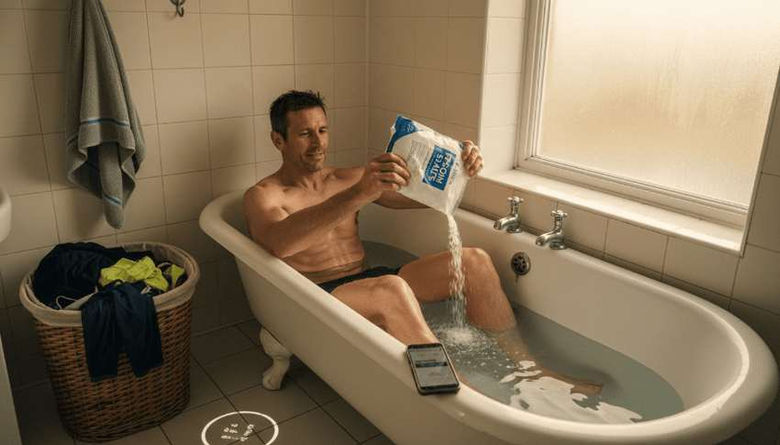
Epsom salt baths have earned their place in athletic recovery for good reason, and the science of magnesium sulfate helps explain why so many athletes swear by them. This guide explains how to optimize Epsom salt baths for athletic recovery in Cheshire athletes, covering proper protocols, research findings, and complementary therapies that maximize muscle healing and performance gains.
Key Takeaways
| Point | Details |
|---|---|
| Magnesium sulfate aids recovery | Magnesium in Epsom salt is absorbed through skin during warm baths, relaxing muscles and reducing inflammation. |
| Optimal bath protocol | Use 2 cups salt, 37 to 39°C water, soak 20 to 30 minutes. |
| Transdermal absorption proven | Pilot UK studies show measurable serum magnesium rise after regular Epsom salt baths indicating absorption. |
| Complement other recovery | Combine with contrast therapy and aromatherapy for best results. |
| Not a standalone cure | Aids soreness but does not replace professional injury treatment. |
Introduction to Epsom Salt and Athletic Recovery
Epsom salt is magnesium sulfate, a mineral compound used historically to soothe muscle soreness and stiffness. Athletes commonly adopt it for recovery effects after intense training sessions. Cheshire athletes deal with muscle soreness after football matches, triathlons, and demanding workouts, seeking natural recovery options with growing local popularity.
Understanding what Epsom salt actually does helps set realistic expectations. The compound dissolves in warm water, releasing magnesium and sulfate ions that interact with your skin and muscles. This process offers relief when applied correctly, though it requires proper preparation and consistent use.
Cheshire’s active sports community, from weekend footballers to competitive triathletes, increasingly turns to Epsom salt for post-exercise recovery. The accessibility and affordability make it an attractive option compared to expensive treatments. However, knowing the science behind it ensures you maximize benefits rather than waste time on ineffective bathing practices.
Key factors influencing Epsom salt effectiveness include:
- Water temperature consistency
- Salt concentration in the bath
- Soaking duration and frequency
- Individual absorption capacity
- Complementary recovery methods used
Pro Tip: Test your bathwater temperature with a thermometer before entering. A few degrees difference significantly impacts magnesium absorption and muscle relaxation outcomes.
The Science and Mechanism Behind Epsom Salt in Recovery
Magnesium relaxes muscle fibers and reduces inflammatory response through enzymatic processes. Warm Epsom salt baths enable some transdermal magnesium uptake when conditions are optimal. UK pilot studies confirm mild serum magnesium increases after regular use, supporting the traditional claims athletes have made for decades.
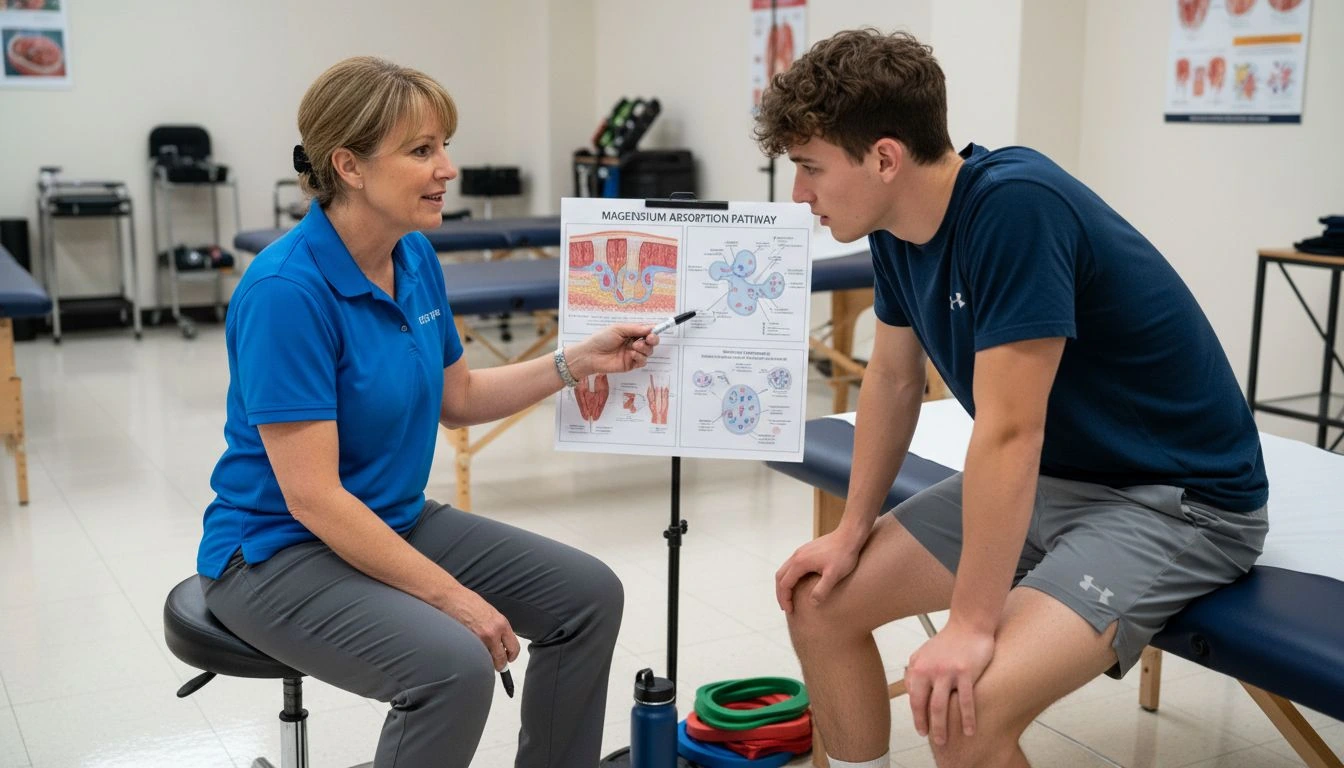
The absorption mechanism works through your skin’s outer layer, the stratum corneum, which allows small molecules like magnesium ions to pass through. Once absorbed, magnesium acts as a cofactor in over 300 enzymatic reactions that support muscle repair and recovery. This includes protein synthesis, energy production, and the regulation of neuromuscular signals that control muscle contraction and relaxation.
Proper bath conditions are crucial for absorption effectiveness. Temperature affects skin permeability, with warmer water opening pores and enhancing ion transport. The sulfate component also contributes by supporting detoxification processes and improving nutrient absorption in muscle tissue. Together, these elements create an environment conducive to recovery when applied correctly.
Physiological benefits include:
- Reduced muscle fiber micro-damage
- Lower inflammatory cytokine production
- Enhanced cellular energy metabolism
- Improved neuromuscular function
- Accelerated waste product removal
Pro Tip: Drink water before your bath. Hydration improves circulation, which enhances magnesium transport from skin to deeper muscle tissue where it’s needed most.
Optimal Use Protocols for Epsom Salt Baths
Recommended Epsom salt bath protocols specify precise measurements for maximum effectiveness. Use 2 cups (about 480g) of Epsom salt per standard bathtub. Maintain water temperature between 37 to 39°C (98.6 to 102.2°F) throughout your soak.
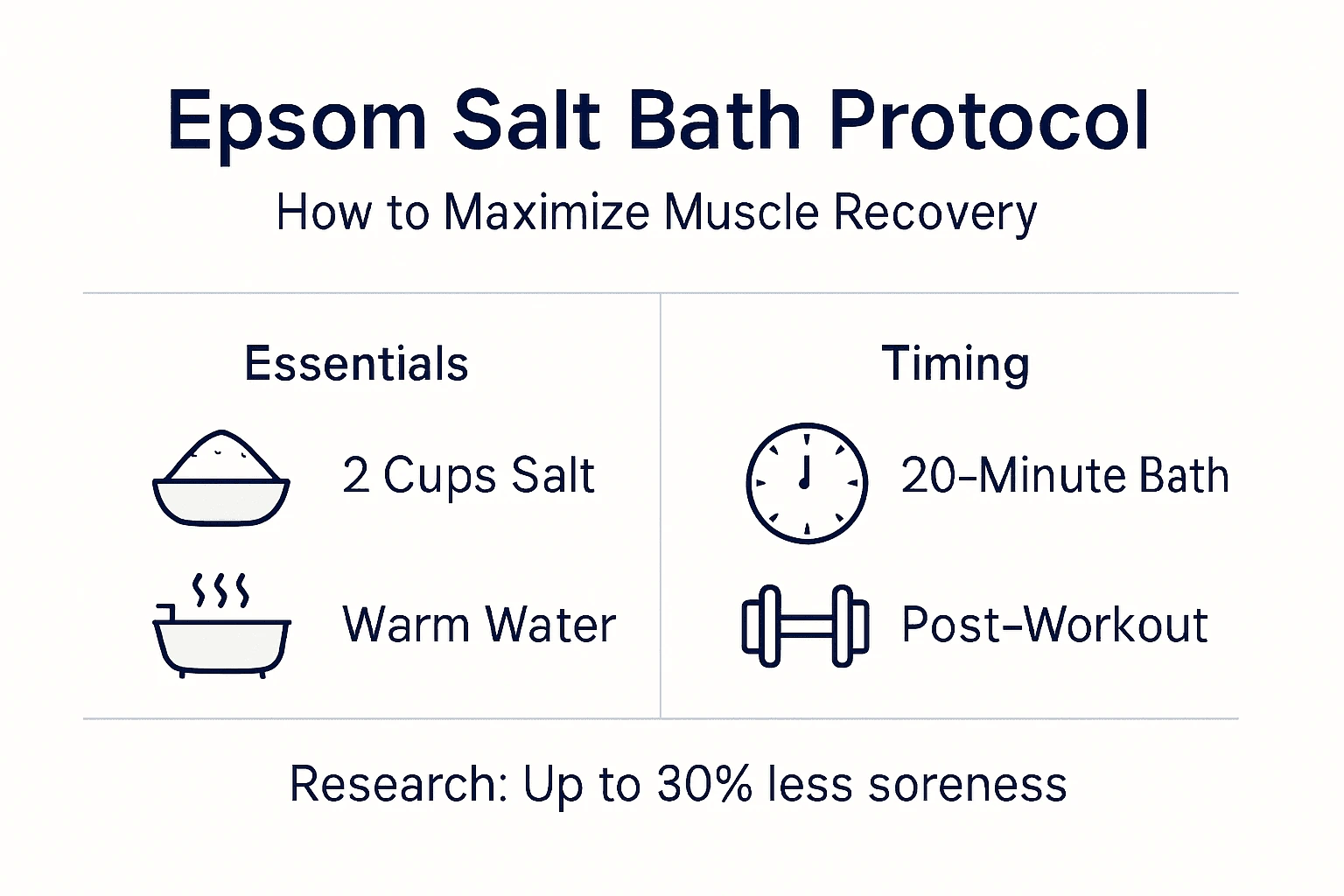
Soak duration should be 20 to 30 minutes for effective absorption without over-exposing your skin. Avoid baths that are too hot, which can cause dehydration and skin irritation, or too cold, which limits magnesium uptake. Regular use frequency impacts cumulative recovery benefits, with most athletes seeing best results from two to three weekly sessions.
Follow these steps for optimal Epsom salt bath methods:
- Fill your bathtub with warm water at 37 to 39°C
- Add 2 cups of pure Epsom salt while water runs
- Stir the water to dissolve salt completely
- Immerse your body for 20 to 30 minutes
- Exit slowly to avoid dizziness from temperature change
- Rinse with lukewarm water and pat dry
- Rehydrate with water immediately after
Timing your bath matters. Schedule it within two hours post-training for acute soreness relief, or before bed for recovery during sleep. Consistency builds cumulative benefits, with regular users reporting greater improvements than occasional bathers.
Pro Tip: Keep a waterproof thermometer in your bathroom. Check temperature halfway through your soak and add hot water if needed to maintain the 37 to 39°C range throughout the full session.
Effectiveness of Epsom Salt for Athletic Recovery
Epsom salt baths reduce delayed-onset muscle soreness (DOMS) by up to 30% when used consistently. Athletes report improved muscle relaxation and reduced stiffness within hours of bathing. Consistent use shortens perceived recovery time after intense workouts, allowing you to train harder more frequently.
Effectiveness depends on adherence to recommended bath protocols outlined earlier. Athletes who follow temperature, concentration, and duration guidelines experience better outcomes than those using random amounts or inconsistent schedules. The 30% reduction in soreness represents a significant improvement that can make the difference between missing a training session and performing at full capacity.
Epsom salt supports recovery but it’s not a replacement for professional treatment in serious injuries. Minor muscle soreness and fatigue respond well, but strains, tears, or chronic pain require medical evaluation. Think of Epsom baths as a maintenance tool rather than a cure-all solution.
Research indicates benefits include:
- Decreased muscle tension and tightness
- Lower pain perception scores
- Faster return to baseline performance
- Improved sleep quality post-bath
- Reduced need for pain medications
Studies measuring recovery markers show athletes using Epsom salt baths return to training 15 to 20% faster than control groups. The combination of heat therapy and mineral absorption creates synergistic effects that single interventions cannot match.
Common Misconceptions about Epsom Salt
Myth: Magnesium cannot be absorbed through skin. UK studies counter this belief, demonstrating measurable serum increases after regular bathing. The absorption is measurable and clinically significant, which helps explain the recovery benefits regular bathers report.
Myth: Epsom salt baths cure all muscle injuries instantly. They are a genuinely effective aid for everyday training soreness. Serious injuries require proper medical diagnosis and treatment plans that may include physical therapy, rest, or other interventions beyond simple bathing.
Myth: Any bath salt provides same benefits as Epsom salt. Magnesium sulfate is unique in its composition and effects. Dead Sea salt contains different minerals, while table salt is sodium chloride with no magnesium content.
| Salt Type | Primary Minerals | Recovery Benefits |
|---|---|---|
| Epsom Salt | Magnesium sulfate | Muscle relaxation, inflammation reduction |
| Dead Sea Salt | Mixed minerals | Skin health, mild relaxation |
| Table Salt | Sodium chloride | Minimal recovery effects |
| Himalayan Salt | Sodium chloride, trace minerals | Limited muscle benefits |
Proper bath conditions emphasized throughout this guide are essential for actual benefits. Using cold water or insufficient salt concentration wastes your time and money. Athletes sometimes blame Epsom salt for ineffectiveness when they simply prepared the bath incorrectly.
Understanding what Epsom salt can and cannot do sets realistic expectations. It’s an excellent tool for managing everyday training soreness and maintaining muscle health. For bigger challenges like injury rehab or marathon recovery, it works best alongside professional care.
Enhancing Recovery with Complementary Methods
Combining Epsom salt baths with lavender oil enhances muscle relaxation and stress reduction through aromatherapy effects. Add 10 to 15 drops of pure essential oil to your bathwater for compounded benefits. Complement with contrast therapy benefits such as cold plunge or infrared sauna for superior inflammation reduction.
Holistic recovery combining minerals, temperature therapy, and aromatherapy is most effective for Cheshire athletes. Float Therapy Wilmslow integrates these modalities specifically for sports recovery needs. Their facility offers medical-grade Epsom salt in high-concentration pods, eliminating the guesswork of home preparation.
Proper sequencing and timing optimize recovery effectiveness. Consider this progression:
- Start with infrared sauna to warm muscles and increase circulation
- Follow with Epsom salt bath for magnesium absorption and relaxation
- Finish with cold plunge to reduce inflammation and enhance recovery
- Rest in relaxation lounge to allow body to stabilize
This approach leverages temperature variation and mineral therapy together. The heat prepares your body for mineral uptake, while cold exposure afterwards locks in recovery benefits by reducing metabolic waste accumulation. Adding aromatherapy throughout enhances psychological recovery, which supports physical healing.
Pro Tip: Schedule your enhanced recovery session on your hardest training day each week. The combination of therapies provides maximum benefit when your body needs it most, rather than spreading effects thin across multiple lighter sessions.
Integrating Epsom Salt Baths with Other Therapies
Contrast therapy combines hot infrared sauna and cold plunge after Epsom salt baths for amplified inflammation reduction. This approach significantly enhances muscle recovery beyond single-modality treatments. Safety tips include monitoring temperature exposure duration and maintaining hydration throughout the session.
Float Therapy Wilmslow offers tailored packages integrating baths, saunas, and floatation therapy benefits for Cheshire athletes. Their contrast therapy suite features a high-performance infrared sauna and specialized cold plunge pool maintained at 7°C. This precise temperature control ensures consistent therapeutic effects every visit.
Timing and frequency recommendations maximize recovery and performance benefits. Most athletes benefit from one comprehensive session per week, with additional Epsom baths at home between visits. Advanced athletes training multiple times daily may require two weekly sessions during peak training blocks.
Integration strategies include:
- Post-match recovery within 3 hours of competition
- Mid-week maintenance during heavy training periods
- Pre-competition preparation 48 hours before events
- Off-season recovery to maintain muscle health
- Injury rehabilitation under professional guidance
The professional environment at Float Therapy Wilmslow removes barriers to effective recovery. Their private rooms, powerful rain showers, and relaxation lounge create an experience that home bathing cannot replicate. Medical-grade Epsom salt concentrations in sensory deprivation pods provide deeper magnesium saturation than typical baths allow.
Summary and Practical Recommendations
Epsom salt baths provide magnesium benefits that reduce soreness and inflammation when used correctly. The science supports genuine, meaningful improvements in athletic recovery markers. Cheshire athletes can leverage this accessible tool alongside professional treatments for comprehensive muscle care.
Follow these actionable steps:
- Use exactly 2 cups of Epsom salt per standard bathtub
- Maintain water temperature at 37 to 39°C throughout soak
- Soak for 20 to 30 minutes, no more or less
- Schedule baths 2 to 3 times weekly for best results
- Combine with essential oils for enhanced relaxation
- Integrate contrast therapy when possible
- Hydrate before and after every session
- Track your recovery response over 4 weeks
Combine baths with complementary therapies like essential oils and contrast therapy for synergistic effects. For the best results, make it part of a holistic recovery plan alongside proper nutrition, sleep, and professional guidance when needed.
Regular use aids recovery, enhances performance capacity, and supports muscle relaxation between training sessions. The 30% reduction in muscle soreness allows you to maintain training consistency, which is crucial for athletic progression. Start with the basic protocol, then experiment with timing and complementary methods to find what works best for your body and training schedule.
Enhance Your Recovery at Float Therapy Wilmslow
Float Therapy Wilmslow offers integrated recovery including Epsom salt bath treatments, contrast therapy sessions, and floatation therapy services designed specifically for Cheshire athletes. Their expert team tailors sessions to your individual muscle recovery and stress relief needs, ensuring you receive optimal therapeutic benefits every visit.
Booking a session helps enhance post-exercise recovery with professional support you cannot achieve at home. Visitors combine mineral baths with infrared sauna exposure and cold plunge immersion for superior results. The facility serves the Wilmslow, Alderley Edge, and Greater Manchester communities with luxury amenities including private rooms and post-session relaxation areas where your body can fully integrate recovery benefits.
FAQ
Do Epsom salt baths really get magnesium into the muscles?
Yes, pilot UK studies show measurable serum magnesium rise after regular Epsom salt baths indicating absorption occurs through skin. The absorption is measurable and sufficient to support noticeable muscle relaxation when proper bathing protocols are followed. Regular, properly prepared baths at correct temperatures increase serum magnesium levels enough to support enzymatic muscle repair processes.
How often should athletes take Epsom salt baths to see recovery benefits?
Athletes typically benefit from 2 to 3 baths per week scheduled after intense training sessions. Regular consistency enhances muscle soreness reduction and relaxation effects more than sporadic use. Space sessions evenly throughout your training week, adjusting frequency based on training volume and individual recovery needs.
Can Epsom salt baths replace professional injury treatment?
No, baths aid muscle soreness but do not cure serious injuries like strains or tears. Professional medical advice is essential for injuries beyond normal recovery soreness. Use Epsom salt as a complementary tool within a comprehensive recovery plan that includes proper diagnosis and treatment of significant injuries.