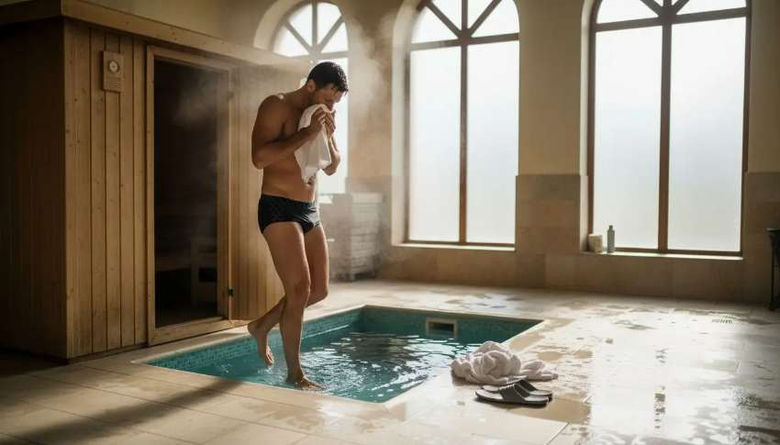
Feeling drained after an intense workout or a demanding week in Wilmslow or Greater Manchester is a common challenge for athletes and professionals aiming to stay at the top of their game. Recovery routines matter more than ever, especially when performance and stress management are key. By tapping into the science of contrast therapy, you can gain access to a dynamic vascular response that supports muscle recovery, reduces soreness, and optimises circulation, offering a modern edge for those serious about health and resilience.
Key Takeaways
| Point | Details |
|---|---|
| Contrast Therapy Benefits | Alternating between cold and heat enhances muscular recovery, reduces inflammation, and promotes faster post-exercise recovery. |
| Physiological Mechanism | The process involves cycles of blood vessel constriction and dilation, removing metabolic waste and delivering oxygenated blood for healing. |
| Session Structure | A typical session consists of heat exposure followed by cold immersion, repeated multiple times for optimal recovery. |
| Safety Considerations | Individuals with certain health conditions should consult a healthcare professional before starting contrast therapy to ensure safety. |
What Is Contrast Therapy? Core Concepts Defined
Contrast therapy is a sophisticated non-pharmacological recovery technique that strategically alternates between cold and heat exposures to stimulate physiological healing responses. Defined by medical researchers, this therapy involves systematic cycles of cryotherapy and thermotherapy designed to enhance muscular recovery, reduce inflammation, and improve overall physical performance.
At its core, contrast therapy harnesses the body’s natural healing mechanisms through precise temperature manipulation. The method triggers a dynamic vascular response by intentionally creating cycles of blood vessel constriction and dilation. These alternating temperature exposures create a powerful “pumping” effect within the circulatory system, which delivers several key benefits:
- Accelerates metabolic waste removal
- Reduces muscle soreness and inflammation
- Enhances blood circulation
- Supports soft tissue injury management
- Promotes faster post-exercise recovery
The physiological mechanism underlying contrast therapy is remarkably sophisticated. When exposed to cold temperatures, blood vessels constrict, pushing metabolic waste products away from muscle tissues. Subsequent heat exposure causes rapid vasodilation, allowing fresh, oxygenated blood to flood the area and support healing. Research indicates this process improves circulation and supports injury recovery, making it a powerful tool for athletes and rehabilitation professionals.
_Pro tip:_ _Start with shorter exposure times and gradually increase duration as your body adapts to the temperature transitions during contrast therapy sessions._
Heat And Cold Methods: Sauna Versus Plunge Pool
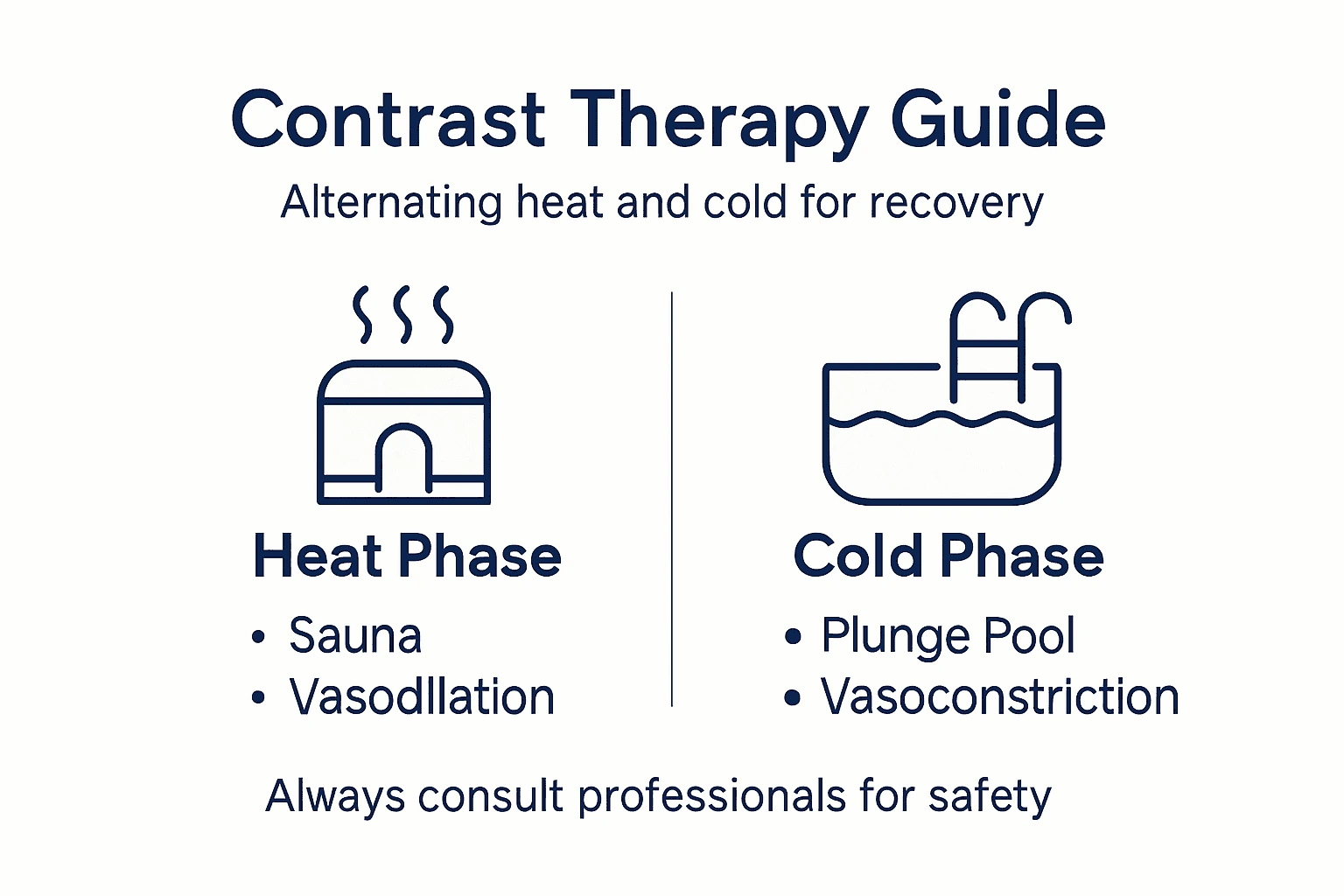
Contrast therapy techniques leverage two primary temperature environments: the sauna for heat exposure and the plunge pool for cold immersion. These contrasting environments create a sophisticated physiological response that triggers multiple healing mechanisms within the body’s circulatory system.
In the heat phase, saunas typically operate between 37°C to 40°C, causing thermal vasodilation. This process expands blood vessels, dramatically increasing blood flow and promoting deep muscle relaxation. The heat penetrates muscle tissues, helping to release tension and prepare the body for the subsequent cold exposure. Key benefits of sauna exposure include:
- Enhanced cardiovascular circulation
- Improved muscular flexibility
- Accelerated metabolic processes
- Stress reduction and relaxation
- Stimulation of natural healing responses
Conversely, the cold plunge pool, maintained around 10°C to 15°C, induces rapid vasoconstriction. This sudden temperature drop causes blood vessels to contract quickly, reducing inflammation and supporting the body’s natural recovery mechanisms. Cold exposure creates a powerful physiological reset by pushing metabolic waste from muscle tissues and triggering an acute stress response that ultimately strengthens the body’s adaptive capabilities.
The magic of contrast therapy lies in systematically alternating between these two temperature extremes. By rapidly transitioning from hot sauna to cold plunge pool, practitioners create a powerful ‘vascular pump’ that stimulates circulation, supports tissue repair, and enhances overall physiological resilience.
Below is a comparison of the heat and cold phases in contrast therapy, highlighting their distinct physiological effects and recommended conditions:
| Phase | Temperature Range | Primary Physiological Effect | Typical Environment |
|---|---|---|---|
| Heat (Sauna) | 37°C – 40°C | Vasodilation, muscle relaxation | Dry or infrared sauna |
| Cold (Plunge) | 10°C – 15°C | Vasoconstriction, anti-inflammatory | Plunge pool or ice bath |
_Pro tip:_ _Begin your contrast therapy session with a 3-minute sauna exposure, followed by a 30-second cold plunge, and repeat this cycle 2-3 times for optimal physiological benefits._
Science Behind Contrast Therapy Effects And Benefits
Scientific evidence demonstrates that contrast therapy is a sophisticated physiological intervention designed to stimulate the body’s natural healing and recovery mechanisms. This therapeutic approach leverages the body’s complex vascular responses to temperature variations, creating a dynamic environment that promotes accelerated healing and performance restoration.
The core scientific principles underlying contrast therapy revolve around the body’s thermoregulatory adaptation. When exposed to alternating temperatures, the body experiences a series of intricate physiological responses that contribute to enhanced recovery. Key scientific mechanisms include:
- Improved metabolic waste clearance
- Enhanced blood circulation
- Reduced inflammatory responses
- Neurological stress response modulation
- Accelerated cellular repair processes
Research indicates that these temperature transitions trigger multiple beneficial physiological reactions. Contrast therapy impacts recovery through complex nervous system interactions, creating a powerful mechanism for reducing muscle soreness, decreasing fatigue, and supporting overall physiological resilience. The thermal cycling creates a ‘pumping’ effect in blood vessels, which helps flush out metabolic waste and bring fresh, oxygenated blood to muscle tissues.
Research into contrast therapy continues to build, and studies consistently point to the recovery benefits of structured hot-and-cold cycling. A personalised approach, tailored to your body and your recovery goals, remains the best way to maximise the therapeutic benefits of every session.
_Pro tip:_ _Consult with a sports physiotherapist to develop a personalised contrast therapy protocol tailored to your specific physiological needs and recovery goals._
How Sessions Work: Procedure And Facility Features
A typical contrast therapy session represents a carefully orchestrated physiological intervention designed to maximise recovery and performance enhancement. The procedure involves strategic temperature transitions that challenge and stimulate the body’s adaptive mechanisms, creating a comprehensive healing experience.
The standard contrast therapy protocol follows a structured approach with specific time and temperature parameters. The typical session progression includes:
- Initial heat exposure in sauna (3-4 minutes)
- Cold plunge immersion (approximately 1 minute)
- Rest and recovery period
- Repeat cycle 4-5 times
Each phase serves a distinct physiological purpose. The heat exposure causes vasodilation, expanding blood vessels and preparing muscles for the subsequent cold shock. When transitioning to the cold plunge, blood vessels rapidly constrict, creating a powerful ‘pumping’ mechanism that helps flush metabolic waste and reduce inflammation. Professional facilities carefully design their environments to support these transitions, ensuring safety, comfort, and optimal therapeutic outcomes.
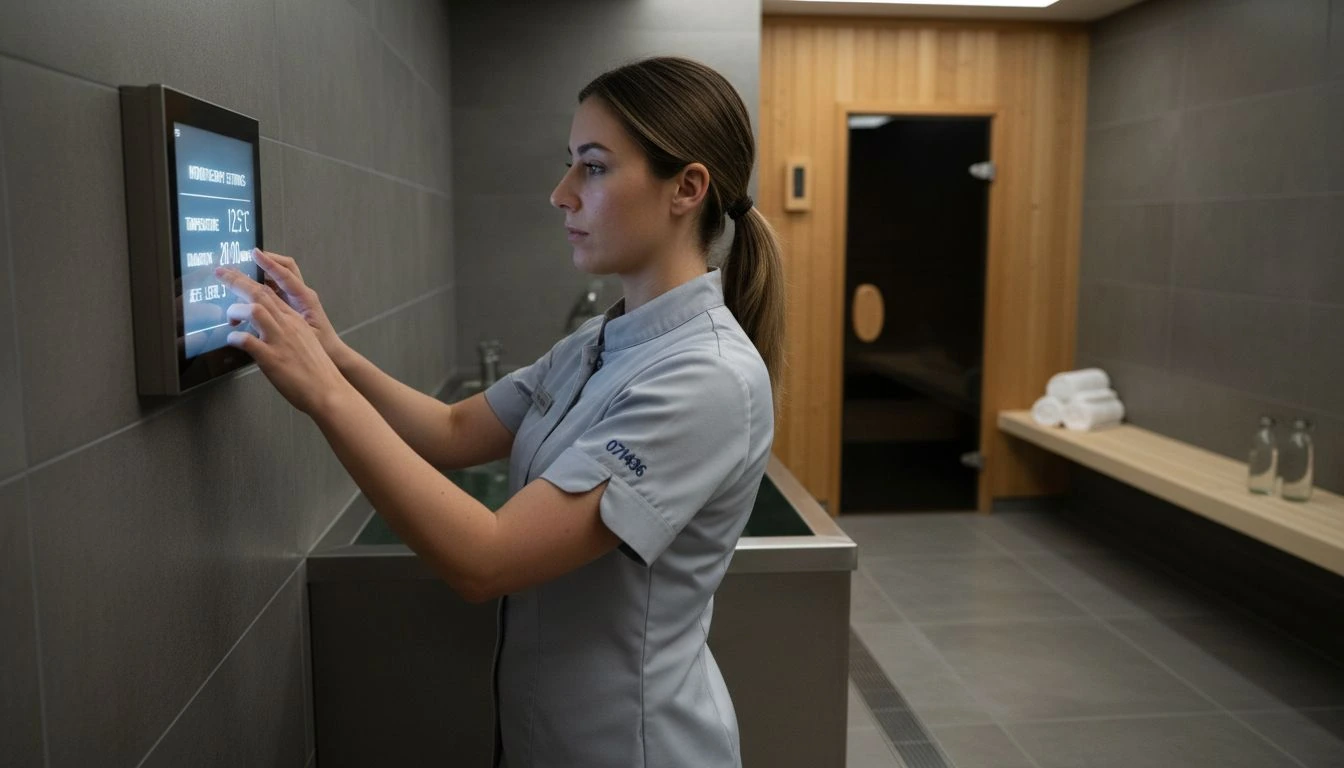
Facility features play a critical role in delivering an effective contrast therapy experience. Advanced centres provide meticulously maintained spaces with precise temperature-controlled environments, including:
Here is an overview of typical contrast therapy session features offered by advanced facilities:
| Facility Feature | Why It Matters | Example Equipment |
|---|---|---|
| Temperature control | Ensures session safety | Infrared sauna, chilled pool |
| Private transition areas | Enhances comfort | Dedicated changing rooms |
| Professional supervision | Personalised protocol setup | Specialist staff onsite |
| Hygienic recovery spaces | Lowers risk of infection | Clean lounge or showers |
- High-performance infrared saunas
- Specialised cold plunge pools maintained at consistent temperatures
- Private transition areas
- Professional monitoring and guidance
- Hygienic, well-designed recovery spaces
_Pro tip:_ _Start with shorter exposure times and gradually increase duration as your body adapts to the temperature transitions during contrast therapy sessions._
Risks, Contraindications, And Safety Considerations
Contrast therapy involves critical safety considerations that must be carefully evaluated before participating in temperature transition treatments. While the therapy offers significant potential benefits, certain individuals may face increased health risks that require professional medical consultation and personalised assessment.
The primary contraindications for contrast therapy include several important health conditions that could potentially compromise an individual’s safety:
- Cardiovascular diseases
- Uncontrolled hypertension
- Respiratory system disorders
- Impaired thermoregulation
- Active infections or open wounds
- Pregnancy
- Reynaud’s phenomenon
- Severe neurological conditions
Physiological stress is an inherent component of contrast therapy, which means careful monitoring and gradual adaptation are crucial. Potential risks include temperature shock and cardiovascular system strain, making it essential for participants to understand their individual health limitations. Professional guidance can help mitigate potential adverse reactions by developing personalised protocols that respect each individual’s unique physiological profile.
Safety protocols demand a measured and informed approach. Practitioners recommend starting with shorter exposure times, maintaining moderate temperature ranges, and listening carefully to your body’s responses. Hydration, proper warm-up, and professional supervision during initial sessions can significantly reduce potential risks and enhance the therapeutic experience.
_Pro tip:_ _Always consult with a healthcare professional and obtain medical clearance before beginning any new contrast therapy regimen, particularly if you have pre-existing health conditions._
Elevate Your Recovery with Expert Contrast Therapy at Float Therapy Wilmslow
If you are seeking to accelerate muscle recovery, reduce inflammation, or overcome post-exercise soreness, then the precise vascular pump effects of contrast therapy described in the article are exactly what you need. The challenges of managing physiological stress and optimising healing require a trusted, professional environment where temperature control and expert guidance ensure safety and effectiveness. At Float Therapy Wilmslow, our dedicated contrast therapy suite combines a high-performance infrared sauna and a specialised cold plunge pool consistently maintained at 7°C to deliver the scientifically backed benefits of vasodilation and vasoconstriction.
Experience a personalised approach tailored to your unique recovery goals. Our facility offers private rooms, expert supervision, and advanced sensory deprivation floatation to complement your contrast therapy sessions with mental relaxation and chronic pain relief. Discover how the dynamic cycle of heat and cold, emphasised throughout the article, can elevate your wellness routine when performed in the comfort of a premium centre. Take the first step towards revitalising your body and mind by booking your session today at Float Therapy Wilmslow. Learn more about our contrast therapy features and holistic recovery solutions available right here in Cheshire.
Frequently Asked Questions
What is contrast therapy and how does it work?
Contrast therapy is a recovery technique that alternates between cold and heat exposures to stimulate the body’s natural healing responses. It triggers a dynamic vascular reaction by creating cycles of vasoconstriction and vasodilation, which enhances blood circulation, reduces muscle soreness, and accelerates recovery.
What are the benefits of using a sauna and cold plunge in contrast therapy?
The sauna phase promotes vasodilation, boosting blood flow and muscle relaxation, while the cold plunge induces vasoconstriction, reducing inflammation and flushing metabolic waste. Together, they create a ‘pumping’ effect that improves circulation and accelerates recovery.
How long should a typical contrast therapy session last?
A typical contrast therapy session involves a sequence of 3-4 minutes in a sauna followed by approximately 1 minute in a cold plunge, repeated for a total of 4-5 cycles. Starting with shorter exposure times is recommended, gradually increasing as your body adapts.
Are there any risks or contraindications associated with contrast therapy?
Yes, individuals with cardiovascular diseases, uncontrolled hypertension, respiratory disorders, impaired thermoregulation, active infections, or severe neurological conditions should consult a healthcare professional before participating. It’s essential to monitor reactions during sessions and start with shorter exposure times.