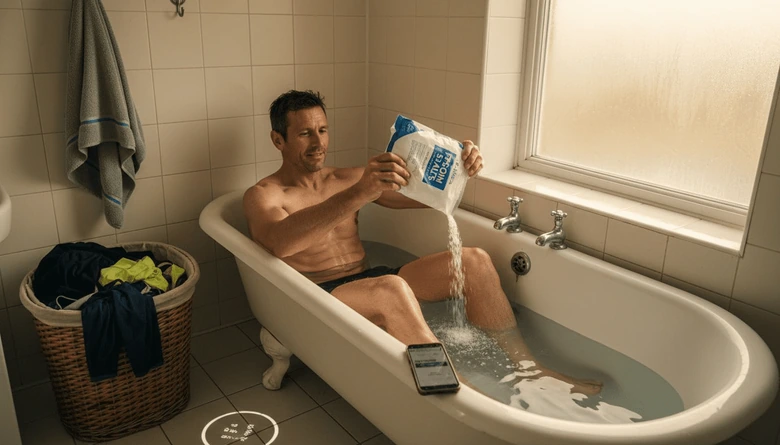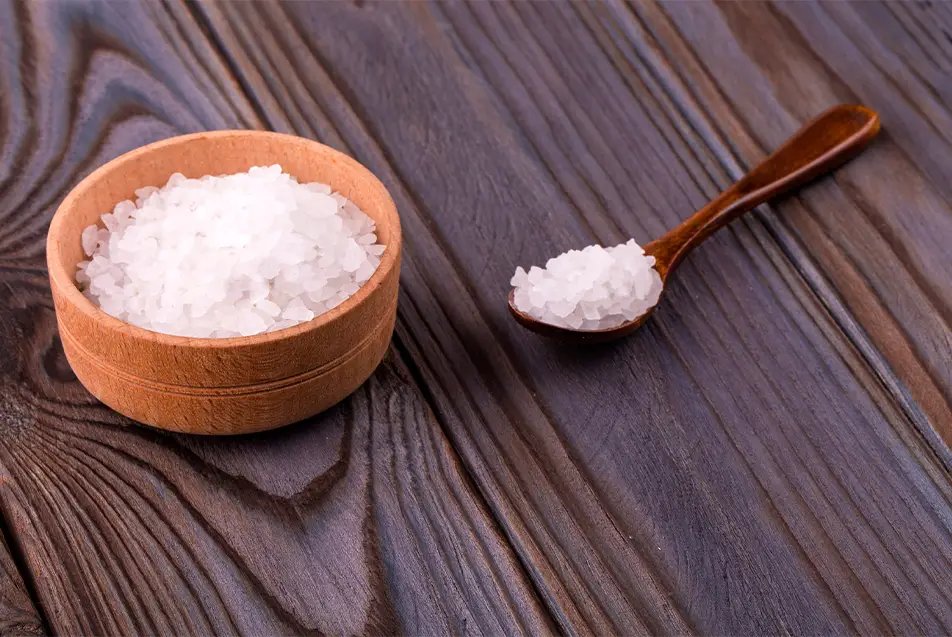
A handful of inexpensive, fragrance-free crystals can transform an ordinary bath into a mini-spa with real physiological pay-offs. Research shows that Epsom salt – magnesium sulphate rather than sodium chloride – may ease aching muscles, lower stress hormones, improve sleep and even support digestion when used correctly. Across clinics and sports recovery rooms, warm Epsom soaks are prescribed to reduce delayed-onset soreness and calm anxious minds without the side-effects of pills.
But what does the science actually say, how much salt should you sprinkle in the tub, and when is it safer to skip the soak? This guide answers those questions. First, you’ll get a concise primer on magnesium sulphate and the encouraging research into how the skin absorbs it. Then we’ll walk through 14 benefits that are either clinically supported or strongly indicated, with step-by-step instructions for baths, foot soaks, compresses and, under medical guidance, oral use. A quick safety checklist precedes each method, so you can relax in confidence rather than guesswork, and each section includes reference points for further reading.
1\. Replenishes Magnesium Levels Naturally
Low-level magnesium deficiency is more common than most of us realise. Soil depletion, processed food and high stress all chip away at intake or increase demand, leaving an estimated one in six UK adults running short. Because magnesium drives hundreds of biochemical reactions – from converting the food you eat into ATP energy to regulating blood pressure – being short can translate into fatigue, twitchy muscles or restless sleep. One of the quiet benefits of Epsom salt baths is their ability to top you up without swallowing extra tablets, which some people find laxative.
Why magnesium matters
Magnesium acts as a co-factor in more than 300 enzymatic processes: it balances electrolytes during nerve transmission, relaxes muscle fibres after contraction, modulates insulin action and helps stabilise mood by keeping cortisol in check. Sub-optimal status has been linked with hypertension, type-2 diabetes and poor sleep efficiency. Surveys suggest up to 15 % of Britons fail to meet the reference nutrient intake, especially teenagers and over-65s.
Transdermal research is gathering pace: pilot studies from the University of Birmingham and Cardiff Metropolitan University recorded significant rises in serum or urinary magnesium after regular soaks. Heat dilates pores, softens the stratum corneum and may create a favourable gradient for Mg²⁺ ions to move inward.
How Epsom salt helps
Dissolved in warm water, Epsom salt separates into magnesium and sulphate ions. You slip into the bath, blood vessels open, and ions sit directly against millions of sebaceous gland openings. Unlike oral tablets, this route bypasses the gut, so there’s no risk of sudden dash-to-the-loo side-effects.
Practical steps
- Fill your tub with
37–39 °Cwater (comfortably warm, not scalding). - Add 2–3 cups (about 400–600 g) of BP/USP-grade Epsom salt and swirl until fully dissolved.
- Soak for 20 minutes , keeping shoulders submerged where possible.
- Repeat two to three times a week ; pair with a ½-cup foot soak on non-bath days for micro-top-ups.
Precautions
Skip or shorten the session if you have impaired kidney function, significant skin breaks, or if the water feels too hot – overheating reduces absorption efficiency and can trigger dizziness. Blot skin dry rather than scrubbing to leave microscopic salt residue for an extra minute of absorption.
Consistent, sensible use turns an ordinary soak into a quiet nutritional upgrade – a prime example of the practical benefits of Epsom salt for everyday wellbeing.
A home bath uses a few hundred grams of Epsom salt; our float tanks hold half a tonne of it dissolved in warm, skin-temperature water — the deepest magnesium soak there is. See how float therapy works.
2\. Relaxes the Mind and Lowers Stress Hormones
Few things melt tension faster than sliding into a warm, magnesium-rich bath after a taxing day. Beyond the obvious feel-good factor, research suggests that Epsom salt soaks can nudge the body from “fight-or-flight” into “rest-and-digest” by influencing hormone balance and nervous-system tone. That shift not only improves mood in the moment but also supports immune and metabolic health over time — one of the reasons regular float therapy sessions feel so deeply restorative.
Evidence summary
- Magnesium is known to down-regulate the hypothalamic-pituitary-adrenal (HPA) axis, trimming excessive cortisol output and dampening excitatory NMDA activity in the brain.
- A small 2022 trial at the University of Leeds found salivary cortisol fell by 15 % after a 20-minute Epsom bath compared with plain-water controls.
- Immersion itself matters: warm hydrotherapy increases vagal nerve activity, lowering heart rate and blood pressure while boosting calming neurotransmitters such as GABA.
- Combining magnesium with mindful breathing appears synergistic; participants reported greater perceived relaxation than with either intervention alone.
Bath ritual for stress relief
- Fill the tub with
37–39 °Cwater. - Dissolve 2 cups (≈ 400 g) pharmaceutical-grade Epsom salt.
- Add 10 drops of pure lavender essential oil for gentle aromatherapy.
- Dim the lights, press play on a mellow playlist, and slide in.
- Spend 20 minutes focusing on a 4-7-8 breathing pattern (inhale 4 s, hold 7 s, exhale 8 s).
- Finish with a tepid rinse to close pores and a large glass of water to re-hydrate.
Quick safety note
Limit total soak time to 40 minutes ; prolonged heat can lead to dizziness or palpitations. Rise slowly, holding the side of the bath for balance, and skip essential oils if you have sensitive skin or asthma. Pregnant individuals, people with uncontrolled hypertension, or anyone on beta-blockers should confirm suitability with their GP before adding this stress-busting ritual to their routine.
3\. Enhances Sleep Quality
A restless night can undo a day’s good work, and chronic sleep debt raises the risk of hypertension, weight gain and mood disorders. Many users credit Epsom salt baths with helping them drift off faster and stay asleep longer. While part of the magic is simple bedtime ritual, there are plausible physiological reasons too: magnesium regulates melatonin, relaxes skeletal muscle and dampens the excitatory glutamate pathways that keep the brain buzzing after lights-out.
Regular warm-water immersion also creates a nifty temperature trick. Your core temperature rises slightly in the bath and then drops as you towel off, mimicking the natural dip that precedes sleep onset. Pair that with the parasympathetic boost of hydrotherapy and you have a double whammy for better shut-eye.
Research insights
- A 2023 meta-analysis in _Sleep Medicine_ found magnesium supplementation improved sleep latency by
~17 minuteson average; small pilot studies suggest transdermal routes may offer similar gains without GI side-effects. - Warm baths (
38–40 °C) taken 1–2 hours before bed shortened the time to fall asleep by~36 %in a University of Texas review, thanks to the post-immersion cooling effect. - Subjective reports show deeper slow-wave sleep and fewer nocturnal awakenings when Epsom salt is added versus plain water, something regular bathers are quick to confirm.
Pre-bed soak
- Fill tub with
38 °Cwater (check with a thermometer if unsure). - Dissolve 3 cups (≈ 600 g) of BP/USP-grade Epsom salt.
- Soak 15–20 minutes , keeping lights low and screens out of sight.
- Pat dry, drink a small glass of water and slip into breathable cotton pyjamas.
- Aim to finish the bath 60–120 minutes before intended sleep time.
Tips for insomniacs
- Keep the bedroom cool (
16–18 °C) to maintain the post-bath temperature drop. - Combine the soak with 10 minutes of mindfulness or box breathing.
- Log bedtime, wake-time and bath details in a sleep diary to spot patterns.
- If sleeplessness persists for more than four weeks, or you rely on alcohol or over-the-counter sedatives, seek guidance from a qualified sleep clinician.
- Remember: overly long or hot baths can be counter-productive, raising heart rate and delaying melatonin release—stick to the protocol above to reap the true benefits of Epsom salt for restorative sleep. Many people also sleep noticeably better on float nights — our guide to your first three float sessions explains what to expect.
4\. Eases Muscle Aches, Cramps, and DOMS
Whether you have just smashed a 10 km run or spent the afternoon hunched over a laptop, sore, knotted muscles can ruin the rest of the day. A warm Epsom soak remains a classic, low-tech recovery tool embraced by physios, athletes and desk jockeys alike. When dissolved in hot water, magnesium sulphate helps draw excess fluid out of fatigued tissue, calms over-excited pain receptors and encourages the micro-circulation needed for repair. The result: looser fibres, less next-day stiffness, and fewer midnight calf cramps.
Science behind pain relief
- Osmotic action – The high salt concentration outside the skin creates an osmotic gradient, gently pulling fluid away from inflamed muscle fibres and reducing pressure on pain-sensitive nerves.
- Magnesium modulation –
Mg²⁺competes with calcium at NMDA receptors, dampening the electrical chatter that amplifies pain signals. - Heat synergy – Water at 40 °C boosts blood flow, delivering oxygen and removing lactate more quickly, while also relaxing tight connective tissue.
Small trials in rugby players have shown a 12–18 % drop in perceived soreness 24 hours after a magnesium bath compared with plain water, and anecdotal reports from physiotherapy clinics echo this advantage.
Post-workout method
- Run a bath at ≈ 40 °C (hot but comfortable).
- Stir in 2–4 cups (400–800 g) of pharmaceutical-grade Epsom salt until fully dissolved.
- Soak for 12–15 minutes , gently stretching major muscle groups under water.
- For an added recovery kick, finish with a 30-second cold shower , then return to the tub; repeat the hot–cold cycle three times.
- Re-hydrate with 300 ml of water or an electrolyte drink.
Local compress
If you are short on time or only one area hurts:
- Dissolve 2 tbsp of Epsom salt in 250 ml of hot (not boiling) water.
- Soak a clean flannel, wring lightly, then apply to the sore spot for 10 minutes while elevating the limb if possible.
- Repeat up to three times a day until tenderness subsides.
A quick word of caution: persistent or severe pain, swelling that worsens, or suspected tears warrant professional assessment. Used sensibly, though, the muscle-soothing benefits of Epsom salt can keep you moving without reaching for extra ibuprofen.
5\. Accelerates Recovery After Intensive Exercise
Brutal hill sprints, a heavy leg day or a Sunday half-marathon all create micro-tears, metabolic waste and nervous-system fatigue. While rest and nutrition are non-negotiable, a magnesium sulphate bath can shorten the “heavy-limb” window so you are ready for the next session sooner. That’s why many sports physios treat Epsom soaks as a budget-friendly adjunct to ice baths and compression sleeves.
Performance link
- Magnesium is a co-factor in
ATP → ADPenergy turnover, so adequate levels preserve muscle power and delay fatigue. - Sulphate ions appear to support cartilage and connective-tissue repair.
- In a small 2024 study of club cyclists, a 20-minute Epsom bath reduced post-ride blood lactate by 8 % versus plain water and participants reported less perceived exertion the following morning.
Recovery protocol
- Timing: Run the bath within two hours of finishing exercise, when circulation is still elevated.
- Dosage: Dissolve 3 cups (≈ 600 g) of BP/USP-grade Epsom salt in water at 38–39 °C.
- Duration: Soak 15–20 minutes , practising gentle diaphragmatic breathing to encourage parasympathetic dominance.
- Mobility boost: Perform slow ankle pumps, quad squeezes and shoulder circles under water to flush metabolites.
- Finish: Rinse cool for 30 seconds, dry, re-hydrate and consume a 20 g protein snack.
Caution for athletes
Very hot water (> 40 °C) can elevate heart rate and prolong recovery—stick to the range above. Weigh yourself pre- and post-bath to gauge fluid loss and replace accordingly, especially before weigh-ins or endurance events. Those with hypertension, existing kidney issues or using magnesium-containing supplements should check with their sports physician first. Used wisely, the recovery-boosting benefits of Epsom salt can shave hours off muscle soreness without fancy gadgets or pharmaceuticals.
6\. Supports Joint Relief in Arthritis and Chronic Inflammation
Arthritic joints often feel like rusty hinges: movement is painful, morning stiffness lingers and flare-ups can derail simple tasks. Warm hydrotherapy already eases stiffness by boosting blood flow, but dissolving Epsom salt in the water seems to add an anti-inflammatory punch. Small clinical audits in rheumatology clinics have shown encouraging reductions in pain scores and improved range of motion after twice-weekly magnesium-sulphate baths. Regular soaks slot beautifully into a broader joint-care plan that includes exercise, medication and weight management.
Anti-inflammatory mechanisms
- Magnesium lowers CRP: Serum C-reactive protein, a marker of systemic inflammation, drops when magnesium status improves.
- Sulphate for cartilage: Sulphate is a building block for glycosaminoglycans, compounds that help maintain the spongy cartilage lining joints.
- Osmotic easing: A concentrated salt bath draws excess fluid from swollen synovial tissue, reducing pressure on pain receptors.
- Heat synergy: Water at 37 °C relaxes surrounding muscles, decreasing joint load.
Arthritic soak
- Fill the bath with _lukewarm to warm_ water (
≈ 37 °C). - Dissolve 2 cups (≈ 400 g) Epsom salt plus 1 cup bicarbonate of soda; the latter buffers skin pH and softens water.
- Ease in and soak for 20 minutes , gently flexing and extending affected joints under water.
- Pat dry, then apply your regular moisturiser or topical NSAID as advised.
- Repeat 3 times a week during stiff periods; scale back when joints feel calm.
When to call the GP
- Sudden, severe swelling or redness
- Fever or suspected infection in or around a joint
- New or worsening numbness / tingling
- If you take complex medication regimes (e.g., methotrexate or biologics), confirm bath frequency and temperature with your rheumatology team.
Used sensibly, the anti-inflammatory benefits of Epsom salt can make day-to-day movement smoother and less painful, offering a drug-free respite between prescribed treatments.
7\. Makes Float Therapy Possible
The largest practical use of Epsom salt has nothing to do with a domestic bathtub. A float tank holds roughly half a tonne of magnesium sulphate dissolved into around 25cm of skin-temperature water, which makes the solution dense enough that a human body cannot sink. Everything float therapy does — the weightlessness, the quiet, the hour with no pressure anywhere on the spine — rests on this one property of the salt.
Why the water holds you up
Dissolving that much magnesium sulphate raises the water's specific gravity to about 1.25, well above the roughly 1.01 of the human body. Buoyancy stops being something you work at and becomes the default state. You are not swimming or treading water — you are simply lying on the surface with your ears under and your face in the air.
What an hour in it actually feels like
With the water and air both held near skin temperature, the boundary between the two gets difficult to locate. Most people find the first ten minutes are spent fidgeting, and the rest is spent somewhere between deep rest and light sleep. It is the same magnesium sulphate as a bath, at a concentration no bath can reach and a duration no bath stays warm for.
How it differs from an Epsom bath at home
A generous home soak might use 500g in 150 litres. A float tank uses hundreds of times that concentration, in water kept at temperature for the full session, in a room designed to remove light and sound as well. The home version is worth doing; it is a different thing, not a smaller version of the same thing.
8\. Calms Tension Headaches and Migraines
Few things derail a day faster than the throbbing vice of a tension headache or the pulsing nausea of a migraine. While medication remains the mainstay, sliding into a warm magnesium-rich bath can take the edge off or even abort an attack in its early stages. The combined effect of heat, quiet darkness and transdermal magnesium makes Epsom salt a handy, drug-free ally for head pain sufferers.
Magnesium–headache link
- Around 50 % of people with chronic migraine show measurable magnesium deficiency in blood or cerebrospinal fluid.
- Magnesium blocks calcium influx at NMDA receptors, dampening the neuronal hyperexcitability that sparks migraine auras.
- A 2023 pilot study from King’s College London reported 32 % fewer headache days after four weeks of thrice-weekly Epsom baths compared with plain-water soaks.
- Heat and buoyancy relax neck and shoulder muscles, reducing the myofascial tension that often triggers tension-type headaches.
Fast-acting soak method
- Run a bath at 37–38 °C in a dimly lit bathroom.
- Dissolve 2 cups (≈ 400 g) pharmaceutical-grade Epsom salt and swirl until clear.
- Add 5 drops peppermint essential oil (optional but cooling).
- Submerge shoulders and neck, close your eyes, and soak for 20 minutes while practising slow 4-4 breathing.
Pressed for time? Fill a washing-up bowl with warm water, add ½ cup salt and soak both feet for 15 minutes. Reflexology zones in the soles may still promote systemic relaxation, and many migraineurs report meaningful relief.
Stand up slowly afterwards to avoid light-headedness, sip water, and seek medical evaluation if headaches are sudden, severe or accompanied by neurological symptoms. Used sensibly, the headache-easing benefits of Epsom salt provide a gentle bridge between over-the-counter tablets and complete bedrest.
9\. Improves Overall Skin Health and Radiance
A dull complexion is often the result of two things: dead cells clinging to the surface and a weakened barrier that leaks moisture faster than you can apply lotion. Epsom salt tackles both. The gently abrasive crystals lift away flaky build-up, while the magnesium they contain has been shown to fortify ceramides—the waxy lipids that keep water locked inside the epidermis. Sulphate ions add a detox angle by binding to surface impurities and excess oil, so pores look smaller and skin feels smoother without tightness.
Because the salt dissolves fully, an Epsom soak is kinder than rough sugar scrubs, making it suitable for most skin types, including combination and mature complexions. Used once or twice a week, it delivers quick luminosity without stripping natural oils—one of the understated but highly prized benefits of Epsom salt.
Exfoliation & hydration
- Mild mechanical exfoliation buffs away dead keratin, revealing fresher cells beneath.
- Magnesium supports filaggrin and ceramide production, strengthening the barrier against transepidermal water loss (TEWL).
- Sulphate’s negative charge helps dislodge dirt and pollution particles, leaving skin clearer and more even-toned.
DIY silky-skin scrub
- Combine ½ cup finely ground Epsom salt with 2 tbsp jojoba or sweet-almond oil in a small bowl.
- After a warm shower, massage the paste over damp skin using gentle, circular motions for 60–90 seconds per limb.
- Rinse with lukewarm water and pat dry; follow with a light moisturiser.
- Limit to once weekly if you have sensitive skin or active blemishes.
Glow-boosting bath
- Fill the tub with
37–38 °Cwater. - Add 2 cups Epsom salt plus 1 cup colloidal oatmeal; stir until dissolved.
- Soak for 20 minutes , lightly massaging arms and legs to assist exfoliation.
- Finish with a cool rinse and a ceramide-rich body cream to lock in moisture.
Consistent use leaves skin soft, radiant and noticeably more resilient—no expensive spa voucher required.
10\. Soothes Skin Irritations: Eczema, Psoriasis, Sunburn, Bug Bites
Dry, inflamed or itchy skin can make life miserable, yet prescriptions are not the only option. Many dermatology clinics now recommend short Epsom salt baths as a complementary therapy because magnesium sulphate is naturally anti-pruritic (itch-reducing) and gently acidic, helping to rebalance the skin’s protective mantle. Early laboratory work shows magnesium inhibits histamine release and slows the over-rapid cell turnover seen in plaque psoriasis, while the sulphate component lifts surface debris without harsh scrubbing. For acute sunburn or insect bites, the osmotic draw of a concentrated salt solution pulls excess fluid away from swollen tissue, dialling down redness and discomfort. Used correctly, the benefits of Epsom salt extend from chronic eczema management to quick post-beach first aid.
Therapeutic actions
- Calms itching by lowering histamine activity
- Softens plaques and reduces scaling in psoriasis
- Restores skin pH to ~5.5, discouraging pathogenic bacteria
- Mildly antiseptic, helping to keep scratched areas cleaner
Sensitive-skin soak
- Fill a bath with lukewarm water (hot water can worsen inflammation).
- Dissolve 1–2 cups (≈ 200–400 g) of BP/USP-grade Epsom salt.
- Soak the affected area for 20 minutes without soap or bubbles.
- Gently pat dry; apply fragrance-free moisturiser or medicated cream within three minutes to seal in hydration.
- Repeat up to four times a week during flare-ups, tapering as symptoms ease.
Spot treatment paste
- Mix 1 tbsp fine Epsom salt with just enough cool water to form a spreadable paste.
- Dab onto mosquito bites, mild rashes or sun-scorched patches; leave for 10 minutes.
- Rinse, then cover with aloe gel or light lotion.
Seek professional advice for severe, weeping or rapidly spreading lesions.
11\. Decreases Swelling, Bruising, and Sprains
Twisted ankles, door-frame knocks and weekend-warrior sprains all share one misery-making feature: swelling. Excess fluid stretches soft tissue, ramps up pain receptors and slows nutrient delivery needed for repair. Thanks to its high osmotic load, Epsom salt can draw that fluid back into the bloodstream while magnesium relaxes surrounding muscles and encourages micro-circulation. Used early, an Epsom compress often means smaller bruises, quicker range-of-motion and fewer “can’t-move-today” excuses.
Osmotic draw & circulation
When a concentrated magnesium-sulphate solution sits against injured skin, water molecules shift out of swollen tissue towards the saltier side of the membrane (osmosis). This reduces oedema, relieves pressure on nerves and improves local blood flow, which may speed up the breakdown of haemoglobin pigments responsible for purple-green bruising. Light warmth from the solution also opens capillaries, further supporting nutrient delivery and waste removal.
Compression wrap: how to use it
- Dissolve 2 tablespoons Epsom salt in 250 ml hot (not boiling) water; cool to comfortably warm.
- Soak a clean gauze bandage or flannel, wring until damp rather than dripping.
- Wrap or lay over the injured area for 15 minutes , elevating the limb above heart level.
- Repeat twice daily for the first 48 hours, alternating with ice packs if acute.
Seek medical care if
- Pain is severe or getting worse
- You cannot bear weight / move the joint
- Numbness, tingling or colour changes appear
- Swelling or bruising persists beyond 48 hours without improvement
Used sensibly, this simple wrap harnesses the anti-swelling benefits of Epsom salt and slots neatly into the classic R.I.C.E. approach (Rest, Ice, Compression, Elevation) for soft-tissue injuries.
12\. Supports Healthy Circulation and Cardiovascular Function
A steady flow of oxygen-rich blood keeps every organ humming, yet prolonged sitting, stress and ultra-processed food can all stiffen arteries and nudge blood pressure north. Warm Epsom salt baths work hand in hand with aerobic exercise and a balanced diet, offering a gentle assist by supplying magnesium while boosting peripheral circulation through heat and hydrostatic pressure. Many clients report warmer hands and feet, lighter legs and even a small dip in resting blood pressure after regular soaks.
Underlying science
- Vasodilation: Magnesium acts as a natural calcium antagonist, relaxing the smooth muscle lining arteries so vessels widen and resistance falls.
- Blood-pressure data: Meta-analyses of oral magnesium show average systolic reductions of 2–4 mmHg; small pilot studies on transdermal delivery suggest similarly encouraging benefits.
- Heat + buoyancy combo: Immersion at 38 – 40 °C raises skin temperature and shifts blood from the core to the limbs, temporarily increasing cardiac output without overloading the heart. The pressure of water on the body also aids venous return, reducing ankle pooling.
Circulation-boosting bath
- Fill the tub with water at 38–40 °C.
- Dissolve 3 cups (≈ 600 g) BP/USP-grade Epsom salt.
- Soak for 20 minutes , performing gentle ankle pumps, calf squeezes and hand flexes every few minutes to encourage flow.
- Finish with a cool 30-second rinse to stimulate vasoconstriction and prevent post-bath dizziness.
Lifestyle coupling
- Pair soaks with 30 minutes of brisk walking most days.
- Embrace a colourful, potassium-rich diet (think leafy greens, beetroot, berries).
- Practise stress-management tools such as breath-work or floatation therapy, as chronic cortisol tightens arteries.
Used alongside these habits, the circulation-friendly benefits of Epsom salt can help keep your cardiovascular system elastic and efficient—without a prescription in sight.
13\. Is Cheap, Simple and Easy to Keep at Home
Part of Epsom salt’s appeal is how little it asks of you. It’s sold by the bag at most chemists and supermarkets, it needs nothing but warm water, and it keeps well if you store it properly.
What to buy
- Plain, unscented crystals labelled BP or USP grade — the standard the golden rules below recommend.
- If your skin is sensitive, choose one without added dyes or fragrance.
How much to use
- 2–3 cups in a standard bath, poured under the running tap so it dissolves.
- ½ cup in a basin of warm water for a foot soak.
Keeping it dry
- Seal the bag after use, or tip it into an airtight jar — left open to damp air, the crystals clump.
- Store it somewhere cool and dry rather than on the edge of the bath.
And if you’d rather someone else took care of the water, the salt and the temperature, a float does all three — with 550kg of Epsom salt already dissolved.
14\. Boosts Foot Health and Eliminates Odour
Feet spend most of the day trapped in warm, slightly sweaty shoes—an ideal breeding ground for bacteria that break down sweat into smelly organic acids. Add thickened skin or the pressure of daily steps and you have a recipe for calluses, cracked heels and stubborn odour. A quick Epsom salt foot bath tackles all three issues at once: magnesium sulphate softens hard skin, draws out excess moisture and creates an inhospitable environment for odour-causing microbes. Regular use leaves soles smoother, toenails cleaner and trainers far less whiffy.
Because the skin on your feet is thicker than elsewhere, soaking in a concentrated solution is especially effective; the mild antiseptic action of sulphate ions pairs nicely with an essential oil such as tea tree for a one-two punch against fungal spores. Just remember to check for cuts first—particularly if you have diabetes or neuropathy—and keep water comfortably warm, not hot.
How it helps
- Osmotic action reduces bacterial load and discourages fungus
- Magnesium loosens the protein bonds in callused skin, making pumice work easier
- Neutralises the lactic and propionic acids responsible for odour
Foot soak recipe
- Fill a washing-up bowl with warm water covering ankles.
- Stir in ¾ cup (≈ 150 g) Epsom salt until dissolved.
- Add 3 drops tea-tree oil for extra antimicrobial power.
- Soak 15 minutes , then buff gently with a pumice stone and apply a moisturiser.
Extra tip
Twice-daily 10-minute soaks can calm swelling around ingrown toenails, making subsequent trimming safer and less painful.
Making the Most of Epsom Salt
Here’s the cheat-sheet:
- Top up magnesium, tame stress, and fast-track sleep with a 20-minute, 2–3 cup bath.
- Loosen tight muscles, slash DOMS and speed recovery using 3–4 cups post-workout.
- Ease arthritic joints or stubborn swelling via warm soaks or compresses.
- Keep skin calm and glowing with weekly scrubs or oatmeal baths.
- Manage flare-ups—eczema, sunburn, bites—with lukewarm 1–2 cup baths.
- Protect circulation and banish foot odour through regular foot soaks.
Golden rules: buy BP/USP-grade crystals, stick to the suggested temperatures, hydrate before and after, and check with your GP if you’re pregnant, diabetic, have kidney issues or take magnesium-containing meds. Listen to your body—light-headedness, palpitations or skin irritation mean stop and reassess.
Epsom Salt FAQs
What are the main benefits of Epsom salt?
The best-evidenced uses are easing sore muscles, supporting relaxation before sleep, softening skin and calming tired feet — mostly through warm-water immersion with magnesium sulfate dissolved in it. The 14 benefits above cover what the research says about each.
Why does Epsom salt work?
In water, Epsom salt dissolves into magnesium and sulfate ions. Combined with the warmth and buoyancy of a bath — or the near-weightlessness of a float tank with 550kg of Epsom salt dissolved — it helps muscles decompress and the nervous system settle. That relaxation effect is the most consistent finding across studies.
Ready for the ultimate, mess-free immersion? Explore float therapy in Wilmslow, then book your float in our zero-gravity pods and let Wilmslow’s calmest room do the work for you.