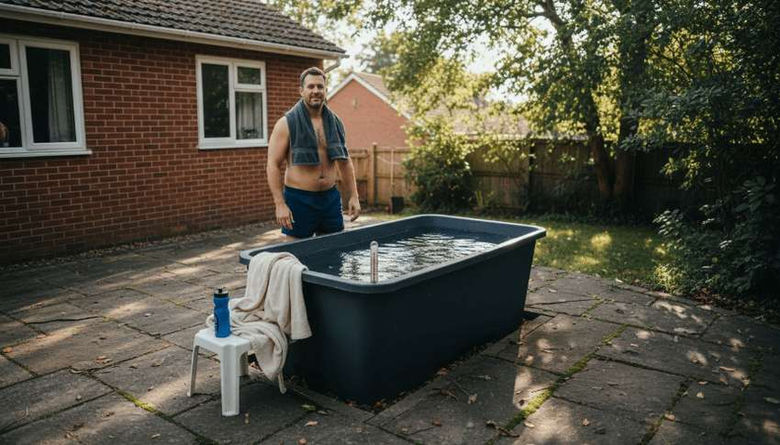
Athletes often jump into cold plunges without understanding safe temperature ranges or exposure durations, risking hypothermia while missing optimal recovery benefits. Proper selection and protocol adherence transforms cold plunge therapy from a risky experiment into a scientifically backed recovery tool. This guide delivers the essential checklist items and evidence-based protocols for safe, effective cold plunge use in Wilmslow and Greater Manchester throughout 2026.
Key Takeaways
| Point | Details |
|---|---|
| Optimal temperature range | Maintain water between 7-15°C for maximum safety and inflammation reduction benefits. |
| Progressive duration protocol | Begin with 30 second sessions, gradually building tolerance to a 15 minute maximum. |
| Water quality maintenance | Daily filtration and regular sanitization prevents bacterial growth and skin infections. |
| Cold plunge versus ice bath | Cold plunges operate at warmer temperatures with shorter sessions than traditional ice baths. |
| Contrast therapy synergy | Pairing cold plunge with infrared sauna amplifies recovery through enhanced circulation and dopamine release. |
Selection Criteria for Cold Plunges
Choosing the right cold plunge setup determines whether you achieve recovery breakthroughs or encounter safety issues and wasted investment. Understanding critical selection factors empowers you to make informed decisions aligned with your athletic goals and budget constraints.
Temperature capability stands as the primary consideration. Cold plunge pools are optimally maintained at temperatures between 7°C and 15°C to balance recovery benefits with safety. This range effectively reduces inflammation while minimizing hypothermia risk for properly prepared users.
Duration guidelines shape both equipment selection and usage protocols. Beginners should start with cold plunge immersion durations as short as 30 seconds to 1 minute, gradually increasing to 2-3 minutes as the body adapts. Your chosen system must allow comfortable entry and exit for these brief initial sessions.
Water maintenance infrastructure separates reliable systems from problematic ones. Regular and thorough water maintenance including filtration and sanitization is essential to prevent bacterial and fungal growth in cold plunge pools, reducing risk of skin infections and unpleasant odours. Select systems with accessible filtration components you can maintain consistently.
Key selection criteria include:
- Temperature stability and adjustment capability within the 7-15°C range
- Adequate depth and volume for full body immersion without cramping
- Built-in or compatible filtration system for daily water treatment
- Durable construction suited to British climate conditions
- Reasonable power consumption for sustainable operation
Safety features cannot be overlooked when evaluating options. Never plunge alone, particularly during initial sessions when you’re gauging your cold tolerance. Choose locations where someone can assist if needed. Consult your doctor before starting cold plunge therapy, especially if you have cardiovascular conditions or cold sensitivity issues.
Cost considerations span initial purchase price, installation requirements, and ongoing operational expenses. Portable inflatable units offer affordable entry points around £200-500, ideal for beginners testing their commitment. Permanent installations with dedicated chillers range from £3,000-10,000 but deliver superior temperature control and durability. Factor in electricity costs for chiller operation and water treatment supplies when calculating total ownership expense.
Pro tip: Start with a portable unit to establish your routine and tolerance levels before investing in a permanent installation. You can always upgrade once you’ve confirmed cold plunge therapy fits your recovery strategy.
The integration potential with contrast therapy benefits represents another crucial selection factor. Systems positioned near sauna facilities enable seamless heat-to-cold transitions that amplify recovery benefits through enhanced circulation and metabolic stimulation.
Temperature Control and Maintenance
Temperature precision separates effective cold plunge sessions from uncomfortable or potentially dangerous experiences. The optimal cold plunge temperature range directly influences inflammation reduction, circulation improvement, and overall safety throughout your recovery protocol.
Cold plunge pools maintained consistently at 7°C provide an optimal balance for reducing inflammation without excessive risk of hypothermia for well-prepared users. This precise temperature triggers maximum vasoconstriction and metabolic response while remaining within safe exposure parameters for adapted individuals.
Permanent installations typically maintain more stable temperatures than portable alternatives. Dedicated chiller units actively regulate water temperature to within 1-2 degrees of your target setting, regardless of ambient conditions. Portable systems rely on ice addition and insulation, causing temperature fluctuations of 3-5 degrees throughout a session.
Temperature consistency impacts both safety and therapeutic effectiveness:
- Stable cold exposure produces predictable physiological responses
- Fluctuating temperatures increase hypothermia risk through unpredictable cold stress
- Warmer pockets reduce inflammation reduction benefits in affected areas
- Consistent 7-10°C range optimizes muscle recovery without excessive discomfort
British climate conditions influence temperature maintenance strategies differently than warmer regions. Summer ambient temperatures can warm portable units rapidly, requiring frequent ice replenishment. Winter conditions make maintaining minimum safe temperatures easier but increase heating costs for dedicated chillers operating continuously.
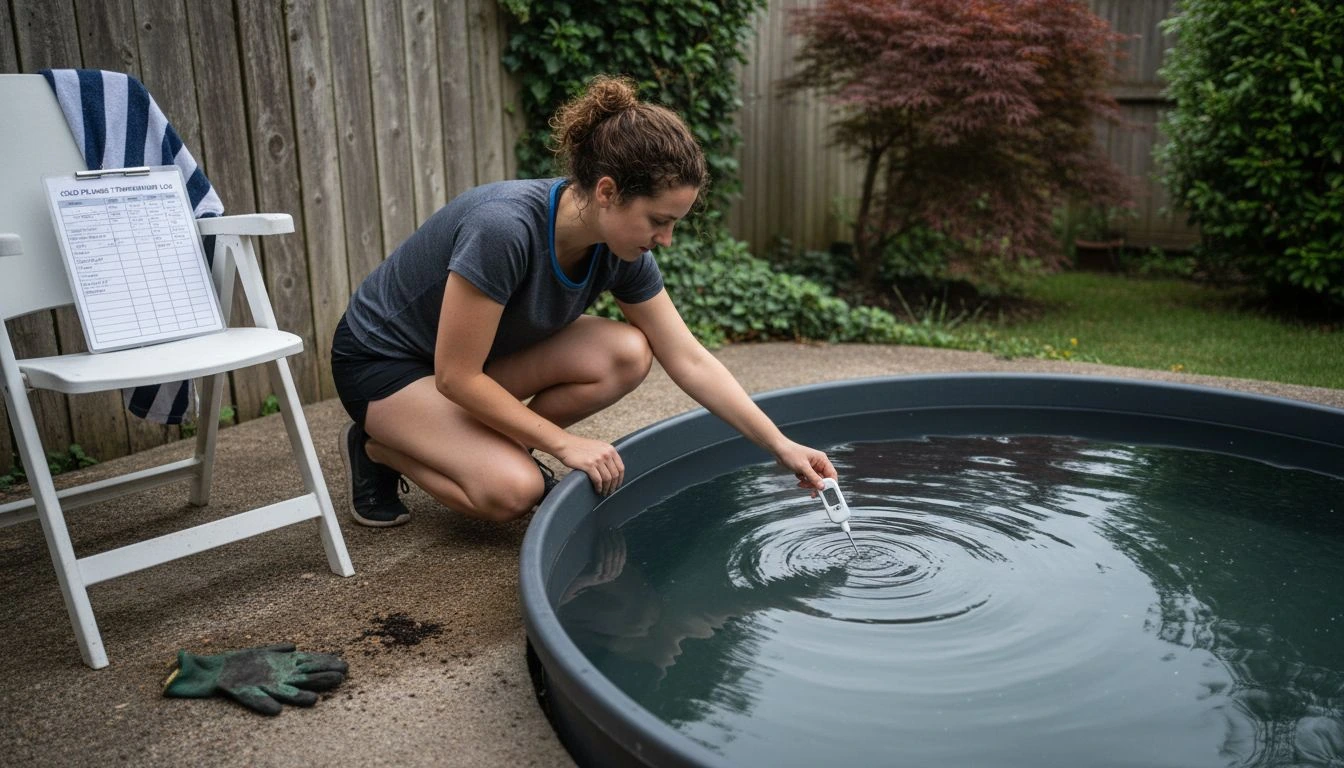
Monitoring equipment performance ensures your system delivers intended benefits safely. Install a reliable waterproof thermometer for real-time temperature verification before each session. Digital models with remote displays let you check water temperature without exposure. Never assume your chiller’s display reflects actual water temperature without independent verification.
Risks of improper temperature control include:
- Water below 4°C dramatically increases hypothermia risk and cold shock response
- Temperatures above 15°C fail to trigger sufficient vasoconstriction for recovery benefits
- Inconsistent temperatures prevent your body from adapting to predictable cold exposure
- Equipment malfunction without monitoring can create dangerous conditions
Pro tip: Record your water temperature and session duration in a log to identify patterns in equipment performance and your personal tolerance development. This data helps optimize your protocol and detect chiller issues early.
Professional facilities like those offering temperature control for recovery eliminate temperature management concerns through automated systems and expert oversight. You simply show up and experience precisely controlled conditions while staff handle all technical aspects.
Duration and Safety Best Practices
Session length determines whether cold plunge therapy delivers recovery benefits or dangerous physiological stress. Proper safety guidelines for cold plunging include consulting a healthcare professional, never plunging alone, starting slowly with short exposure, avoiding alcohol, and warming up gradually after each session.
Progressive exposure protocols protect you while building cold tolerance:
- Week one: 30 second immersions, once daily maximum, monitoring response carefully
- Week two: Increase to 60-90 second sessions if tolerating initial exposure well
- Week three: Progress to 2-3 minute sessions with continued positive adaptation
- Weeks four through eight: Gradually extend to 5-10 minutes based on individual tolerance
- Maintenance phase: 10-15 minute sessions represent maximum safe duration for regular users
Most effective cold plunge routines recommend limiting session duration to avoid hypothermia and recognizing hypothermia warning signs like excessive shivering and numbness. Your body signals when cold exposure exceeds safe limits through distinct symptoms requiring immediate response.
Recognize these hypothermia warning signs demanding immediate exit:
- Uncontrollable shivering that intensifies rather than subsides
- Numbness spreading beyond extremities to core body areas
- Mental confusion, difficulty concentrating, or slowed responses
- Skin turning white or blue rather than healthy pink
- Loss of coordination or stumbling movements
Never plunge alone, especially during initial sessions when you’re establishing tolerance baselines. Having someone present enables assistance if you experience difficulty exiting or recognize hypothermia symptoms too late. Position a timer where you can see it clearly to track exposure duration without losing focus.
Avoid alcohol consumption before or immediately after cold plunge sessions. Alcohol impairs your ability to recognize hypothermia symptoms and interferes with your body’s thermoregulation response. Wait at least four hours after drinking before cold water immersion.
Post-session warming protocols matter as much as cold exposure technique. Exit the plunge when your planned duration completes or symptoms appear, whichever comes first. Dry off immediately with towels and dress in warm, dry clothing. Allow your body temperature to normalize gradually through passive rewarming rather than jumping into hot showers, which can cause dangerous blood pressure fluctuations.
Pro tip: Keep a thick bathrobe and warm slippers immediately beside your cold plunge for quick access upon exit. The faster you can dry off and insulate yourself, the more comfortable your recovery period becomes.
Consult healthcare providers before starting cold plunge therapy if you have cardiovascular conditions, Raynaud’s disease, cold urticaria, or compromised immune function. These conditions may contraindicate cold water immersion or require modified protocols. Following cold plunge safety tips specific to your health status prevents complications.
Cleaning and Water Maintenance
Water quality directly impacts both safety and therapeutic effectiveness of your cold plunge sessions. Regular and thorough water maintenance including filtration and sanitization is essential to prevent bacterial and fungal growth in cold plunge pools, reducing risk of skin infections and unpleasant odours.
Daily maintenance requirements vary by system type but share core principles. Portable units need complete water changes every 3-5 uses or weekly, whichever comes first. Permanent installations with filtration systems require daily filter operation for 6-8 hours minimum to maintain water clarity and purity.
Filtration system maintenance follows manufacturer-specific schedules:
- Inspect filter cartridges weekly for debris accumulation and proper flow
- Rinse cartridges with clean water every 2-3 weeks to remove trapped particles
- Replace filter cartridges every 3-6 months depending on usage frequency
- Clean pump impellers quarterly to maintain circulation efficiency
- Test water chemistry weekly using appropriate test strips or kits
Sanitization methods must balance microbial control with skin safety. Cold water temperatures slow bacterial growth compared to warm water, but biofilm still develops on surfaces without proper treatment. Hydrogen peroxide offers an effective, relatively gentle oxidizing agent at concentrations of 35-50 ppm for cold plunge applications. Add after each use or according to your manufacturer’s protocol.
Establish a systematic cleaning schedule:
- After each use: Skim surface debris, check temperature, run filtration cycle
- Weekly: Test water chemistry, adjust sanitizer levels, inspect equipment
- Monthly: Deep clean all surfaces, drain and refill if using portable unit
- Quarterly: Professional service for permanent installations, replace worn components
- Annually: Complete system inspection, chiller service, thorough descaling
| Maintenance Task | Frequency | Time Required | Critical Priority |
|---|---|---|---|
| Surface skimming | After each use | 2 minutes | Medium |
| Temperature check | Before each use | 1 minute | High |
| Filter operation | Daily | 6-8 hours | High |
| Water chemistry test | Weekly | 5 minutes | High |
| Filter cartridge cleaning | Biweekly | 15 minutes | Medium |
| Sanitizer addition | After use or weekly | 3 minutes | High |
| Surface deep clean | Monthly | 45 minutes | Medium |
| Filter replacement | 3-6 months | 20 minutes | High |
| Professional service | Annually | 2-3 hours | High |
Poor maintenance consequences extend beyond unpleasant aesthetics. Bacterial infections from contaminated water can cause folliculitis, skin rashes, and respiratory issues if water splashes near your face. Fungal growth produces slippery biofilms that increase slip hazards and emit foul odors that ruin the therapeutic experience.
Pro tip: Keep a maintenance log tracking water changes, sanitizer additions, and equipment servicing. This documentation helps you spot problems early and provides valuable information if you need manufacturer support or professional service.
Professional facilities offering cold plunge water maintenance eliminate these concerns entirely. You access pristine, properly sanitized water at perfect temperature without investing time or effort in upkeep. This convenience particularly appeals to athletes prioritizing training time over facility management.
Comparison: Ice Bath vs Cold Plunge
Understanding distinctions between ice baths and cold plunges helps you select the recovery method matching your goals and tolerance level. Cold plunge and ice bath differ mainly in water temperature; cold plunges typically range from 10-15°C with sessions lasting 3-15 minutes, whereas ice baths are colder at 4-10°C with longer recommended durations around 10 minutes.
| Feature | Cold Plunge | Ice Bath |
|---|---|---|
| Water temperature | 10-15°C | 4-10°C |
| Typical session duration | 3-15 minutes | 8-15 minutes |
| Entry difficulty | Moderate, gradual adaptation | High, intense initial shock |
| Equipment complexity | Requires chiller or cooling system | Simple, ice plus container |
| Temperature stability | High with proper equipment | Low, melts and warms quickly |
| Setup time | Minimal once installed | 15-30 minutes per use |
| Best suited for | Beginners, regular recovery protocol | Experienced users, acute injury treatment |
| Hypothermia risk | Lower with proper protocols | Higher due to extreme cold |
| Cost range | £200-£10,000 depending on system | £50-£500 for basic setup |
Cold plunges offer a more accessible entry point for athletes new to cold water therapy. The moderately cold temperature at 10-15°C triggers beneficial vasoconstriction and metabolic responses without the intense shock of ice bath immersion. Your body adapts more readily to these conditions, enabling consistent protocol adherence.
Ice baths deliver more aggressive cold exposure suited to experienced practitioners or acute injury scenarios. The 4-10°C range produces maximum inflammation suppression and can temporarily reduce pain signaling more effectively than warmer cold plunges. However, this intensity increases risks and requires greater mental fortitude to maintain regular use.
Session duration differences reflect the temperature intensity:
- Cold plunge sessions of 3-5 minutes deliver substantial benefits for most users
- Extended 10-15 minute cold plunge sessions suit well-adapted individuals seeking maximum effect
- Ice bath sessions typically last 8-12 minutes despite colder temperatures due to tolerance limits
- Shorter ice bath exposure still produces significant anti-inflammatory effects
Risk profiles vary between methods. Ice baths present higher hypothermia danger due to extreme temperatures overwhelming thermoregulation systems faster. Cold shock response occurs more intensely in ice baths, potentially triggering dangerous cardiac events in susceptible individuals. Cold plunges at 10-15°C remain cold enough for therapeutic benefit while reducing these acute risks.
Recovery benefits show similar patterns across both methods when used appropriately. Both reduce muscle inflammation, decrease delayed onset muscle soreness, and improve circulation through vasoconstriction followed by rebound vasodilation. The choice between them depends more on your tolerance, consistency ability, and specific recovery objectives.
Pro tip: Start with cold plunge therapy to build foundational cold tolerance before attempting ice baths. Once you comfortably tolerate 10 minute sessions at 10°C, you’re better prepared for occasional ice bath use when acute injury demands maximum inflammation control.
The decision between ice bath benefits and risks versus cold plunge protocols should align with your experience level and recovery goals rather than pursuing extreme cold for its own sake.
Combining Cold Plunge with Contrast Therapy
Integrating cold plunge sessions with infrared sauna exposure creates powerful contrast therapy protocols that amplify recovery benefits beyond either modality alone. Combining cold plunge therapy with infrared sauna sessions accelerates recovery by leveraging contrast therapy benefits such as enhanced circulation, inflammation reduction, and dopamine boosting.
The contrast therapy mechanism exploits opposing thermal stresses to stimulate circulation and metabolic processes. Infrared sauna exposure at 60-70°C dilates blood vessels throughout your body, increasing blood flow to muscles and organs. Immediate transition to 7°C cold plunge causes rapid vasoconstriction, forcing blood toward your core.
This alternating dilation and constriction acts like a pump:
- Heat phase expands vessels, flooding tissues with oxygen-rich blood
- Cold phase constricts vessels, pushing metabolic waste products toward elimination pathways
- Repeated cycles enhance nutrient delivery and toxin removal beyond static temperature exposure
- Circulatory system adapts to rapid transitions, improving vascular health
Inflammation reduction benefits multiply through contrast exposure. Sauna heat increases anti-inflammatory protein production while cold exposure directly suppresses inflammatory signaling. The combination addresses inflammation through complementary mechanisms, producing superior results compared to cold therapy alone.
Mental benefits extend beyond physical recovery. Cold plunge after sauna exposure triggers substantial dopamine release, elevating mood and mental clarity for hours post-session. This neurochemical boost enhances focus, motivation, and stress resilience, particularly valuable for athletes balancing training demands with work and life responsibilities.
Optimal contrast therapy protocol:
- Begin with 15-20 minutes infrared sauna exposure at 60-70°C
- Transition immediately to cold plunge at 7-10°C for 3-5 minutes
- Return to sauna for 10-15 minutes for second heat exposure
- Complete second cold plunge session of 3-5 minutes
- Repeat for total of 3-5 cycles depending on tolerance and time availability
- Finish with cold exposure to maximize dopamine release and leave feeling energized
Pro tip: Time your contrast therapy sessions for late afternoon or early evening. The protocol’s energizing effects suit pre-dinner timing while avoiding sleep disruption that morning sessions might cause through extended alertness.
Facilities offering infrared sauna and cold plunge benefits in integrated suites eliminate logistical challenges of home-based contrast therapy. You access both modalities steps apart with optimal temperature control, creating seamless transitions that maximize therapeutic effect.
Structured contrast therapy sequences follow evidence-based protocols refined through athlete feedback and physiological research, ensuring you receive maximum benefit from each session without trial and error experimentation.
Situational Recommendations
Tailoring cold plunge protocols to your specific situation optimizes safety and results. Beginners should choose portable inflatable ice baths and short sessions; regular users benefit from permanent plunge pools with chillers; athletes focused on recovery should combine cold plunge with sauna contrast therapy; users with health issues must consult healthcare professionals and observe strict safety protocols.
Beginner athletes new to cold exposure require conservative approaches. Select low-cost portable inflatable ice baths costing £200-400 to test commitment before significant investment. Limit initial sessions to 30 seconds at 12-15°C, the warmest effective range. Schedule sessions every other day rather than daily to allow adaptation between exposures. Focus on consistent short sessions rather than pushing duration limits.
Regular users maintaining established cold plunge routines benefit from permanent installations. Invest in dedicated plunge pools with chiller units maintaining stable 7-10°C temperatures. This consistency enables predictable recovery protocols and eliminates setup time between training sessions and cold exposure. Budget £3,000-6,000 for quality permanent systems delivering years of reliable service.
Athletes prioritizing performance and recovery should integrate cold plunge with comprehensive recovery protocols. Combine cold plunge sessions with infrared sauna contrast therapy for athletes to maximize circulation benefits and inflammation reduction. Schedule contrast therapy sessions 3-4 times weekly on high-intensity training days or immediately post-competition.
Individuals with cardiovascular conditions, diabetes, Raynaud’s disease, or cold urticaria require medical clearance before starting. Consult your GP or cardiologist about appropriate protocols or whether cold plunge therapy suits your situation. If cleared for participation, adopt extra precautions:
- Never plunge alone without immediate assistance available
- Limit initial sessions to 15-30 seconds regardless of tolerance feeling
- Monitor heart rate and blood pressure response patterns
- Exit immediately if experiencing chest discomfort, extreme dizziness, or palpitations
- Maintain water temperature at 12-15°C rather than colder ranges
Pregnant individuals should avoid cold plunge therapy entirely due to risks of fetal stress from maternal hypothermia and circulation changes. Wait until post-partum recovery completes before resuming cold exposure protocols. Nursing mothers should consult healthcare providers about appropriate timing relative to feeding schedules.
Older athletes over 60 benefit from modified protocols accounting for reduced thermoregulation capacity and cardiovascular resilience. Start at warmer temperatures of 13-15°C with 30 second sessions. Progress more gradually than younger users, taking 8-12 weeks to reach 5 minute duration targets rather than 4-6 weeks. Schedule sessions earlier in the day when energy and alertness peak.
Pro tip: Track your resting heart rate, sleep quality, and subjective recovery feelings in a training log. Declining metrics despite consistent training may indicate cold plunge protocols need adjustment in frequency, duration, or temperature to optimize rather than overtax your recovery capacity.
Accessing professional guidance about cold plunge safety for health concerns ensures your recovery protocol enhances rather than compromises your health status.
Enhance Your Recovery Routine at Float Therapy Wilmslow
Float Therapy Wilmslow delivers professionally managed contrast therapy combining infrared sauna and cold plunge in a dedicated recovery suite. Our cold plunge pool maintains a precise 7°C year-round through commercial-grade chiller systems, eliminating temperature fluctuations that compromise home setups. Experienced staff guide you through optimal infrared sauna and ice bath contrast therapy protocols tailored to your recovery goals and tolerance level.
The integrated facility design enables seamless transitions between heat and cold exposure, maximizing circulatory benefits through minimal transition time. Private rooms ensure comfort and focus during your sessions. Post-session relaxation areas with powerful rain showers support gradual rewarming in a tranquil environment. Whether you’re an athlete seeking performance gains or a health enthusiast pursuing overall wellness, our optimal recovery workflow delivers results through evidence-based protocols and premium equipment.
Discover comprehensive contrast therapy recovery benefits at Wilmslow’s premier wellness destination serving Cheshire and Greater Manchester.
Frequently Asked Questions
How often can I do cold plunge sessions safely?
Most athletes tolerate daily cold plunge sessions of 3-5 minutes once adapted, though 3-4 sessions weekly suffices for recovery benefits. Beginners should limit frequency to every other day during the initial 4-6 week adaptation period. Listen to your body and reduce frequency if you experience persistent fatigue, disrupted sleep, or declining training performance.
What are the key signs I should exit a cold plunge immediately?
Exit immediately if you experience uncontrollable shivering, numbness spreading beyond extremities, mental confusion, difficulty coordinating movements, or skin turning white or blue. These symptoms indicate dangerous hypothermia development requiring immediate warming. Never push through these warning signs attempting to complete a planned duration.
Can I combine cold plunge therapy with other recovery methods?
Cold plunge integrates excellently with massage, compression therapy, and active recovery protocols. Combining with infrared sauna creates powerful contrast therapy delivering superior circulation and inflammation benefits. Avoid combining cold plunge with hot baths or aggressive stretching immediately before sessions, as these interfere with intended physiological responses.
What equipment is essential for safe cold plunge use?
Essential equipment includes a reliable waterproof thermometer for temperature verification, timer for tracking exposure duration, non-slip mat for safe entry and exit, and thick bathrobe with warm slippers for immediate post-session use. Keep a mobile phone nearby in a waterproof case for emergency communication if needed.
How do I maintain water cleanliness without professional help?
Maintain cleanliness through daily filtration running 6-8 hours, weekly water chemistry testing and sanitizer adjustment, and monthly deep cleaning of all surfaces. Use hydrogen peroxide at 35-50 ppm concentration as a skin-safe sanitizer. Replace filter cartridges every 3-6 months and completely drain portable units weekly. Consistent maintenance prevents bacterial growth more effectively than intensive periodic cleaning.