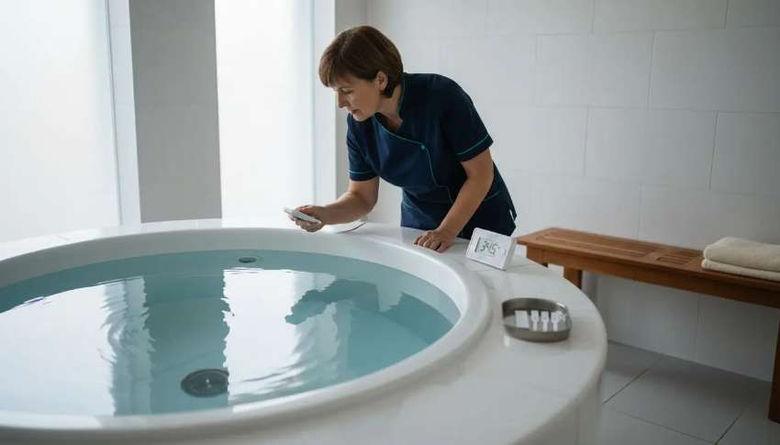
Training hard around Greater Manchester and Wilmslow means your body is always searching for better recovery and stress relief. Floatation therapy offers a unique path to deep relaxation by removing every external distraction, relying on precise environmental control to create total sensory reduction. This guide breaks down the vital steps athletes need for an effective floatation routine, making each session a key strategy for optimal performance and stress relief.
Quick Summary
| Key Points | Explanation |
| 1\. Maintain precise water temperature | Keeping the water at 36.3°C ensures a seamless sensation and enhances relaxation during the float. |
| 2\. Control water salinity accurately | Using approximately 550kg of Epsom salts maximises buoyancy and mineral absorption, offering optimal benefits. |
| 3\. Prepare mentally and physically | Minimise caffeine and engage in calming activities before floating to improve the overall experience. |
| 4\. Hydrate immediately post-float | Drinking water right after exiting the tank helps replenish fluids lost to high salt concentration. |
| 5\. Document post-float sensations | Recording your physical and mental states after the session aids in recognising patterns and benefits over time. |
Step 1: Prepare your floatation suite environment
Creating the perfect floatation suite environment is crucial for achieving deep relaxation and optimal therapeutic benefits. Precise environmental control will determine the quality of your sensory deprivation experience.
To prepare your floatation suite, focus on several key elements that eliminate external sensory distractions:
- Maintain precise water temperature matching skin temperature (around 36.3°C)
- Control water salinity using medical-grade Epsom salts
- Soundproof the room to minimise acoustic interference
- Install lightproof barriers preventing any visual stimulation
Each element plays a critical role in creating a controlled sensory environment. The water should feel seamless against your skin, with no discernible boundary between body and liquid. Optimal water composition requires approximately 550kg of Magnesium Sulphate (Epsom salts) to create the required buoyancy and mineral concentration.
Here is a summary of the environmental elements crucial for a high-quality floatation experience:
| Element | Importance | Common Issues if Neglected |
| Water Temperature | Ensures seamless skin sensation | Discomfort, impaired relaxation |
| Water Salinity | Provides buoyancy and mineral intake | Reduced floating, less benefit |
| Soundproofing | Maintains sensory isolation | Distractions, less immersion |
| Lightproof Barriers | Prevents visual disturbances | Difficulty relaxing, disrupted state |
The goal is total sensory reduction: remove all external inputs to facilitate deep relaxation and stress relief.
_Expert tip:_ _Check your floatation suite’s temperature and salt concentration using calibrated instruments to ensure absolute precision._
Step 2: Customise your pre-float routine
Preparing your mind and body for a transformative floatation experience requires strategic psychological and physical preparation. Psychological readiness techniques can significantly enhance your sensory isolation journey.
To optimise your pre-float routine, consider these essential preparatory steps:
- Minimise caffeine intake at least 3-4 hours before your session
- Perform gentle stretching to release muscular tension
- Practice mindful breathing to calm your nervous system
- Hydrate adequately with water to support relaxation
Mental preparation is equally crucial as physical readiness. Spend 10-15 minutes before your float session engaging in calm, centred activities. This might include light meditation, soft instrumental music, or gentle yoga poses that help transition your body into a relaxed state.
Entering the float tank with a calm, open mindset dramatically improves the therapeutic potential of your session.
Your pre-float routine should focus on creating a seamless transition from external stimulation to sensory isolation, allowing your body and mind to embrace the upcoming experience.
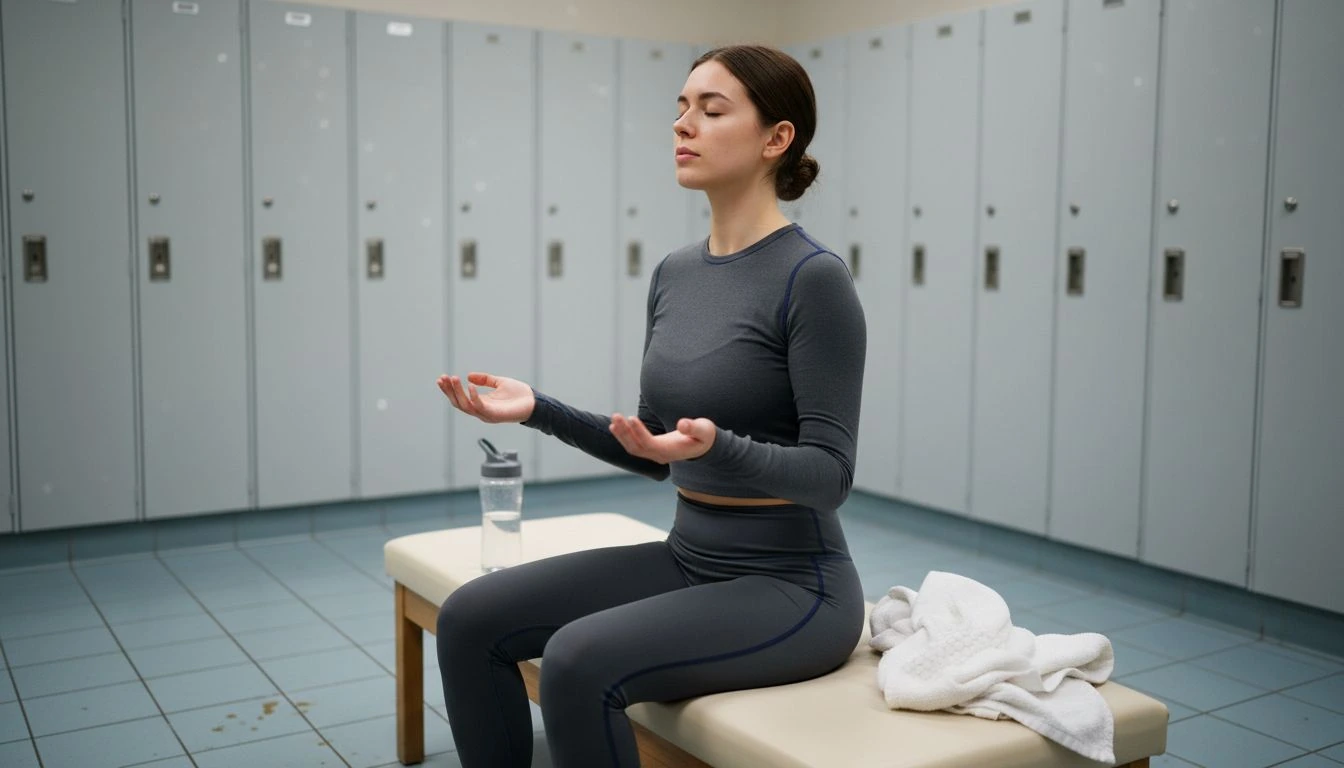
_Expert tip:_ _Develop a consistent pre-float ritual that signals to your body and mind that deep relaxation is imminent._
Step 3: Enter and optimise your float session
Entering your floatation environment marks the beginning of a profound sensory journey. Optimal float session techniques can transform your experience from simple immersion to deep therapeutic restoration.
As you step into the float tank, follow these essential guidelines:
- Enter slowly and deliberately to maintain balance
- Support your head and neck using the provided flotation pillow
- Relax your muscle groups progressively from head to toe
- Focus on steady, rhythmic breathing
Initially, you might experience slight discomfort as your body acclimatises to the weightless environment. This is completely normal. The ambient music typically plays for the first few minutes, allowing you to settle into the tank before transitioning to complete silence.
The key is to surrender to the experience, allowing your body and mind to fully embrace the sensory isolation. Float sessions last for 60 minutes, providing ample time for deep relaxation and potential meditative states. Your body will naturally find a comfortable position in the buoyant saltwater, requiring minimal adjustment.
_Expert tip:_ _If you feel anxious, focus on your breath and remember that you can exit the tank at any moment._
Step 4: Complete post-float care and hydration
Your floatation journey continues beyond the tank with careful post-session recovery and rehydration. Muscle recovery techniques play a crucial role in maximising the therapeutic benefits of your session.
To support your body’s recovery, implement these essential post-float care steps:
- Drink water immediately after exiting the float tank
- Take a warm shower to rinse off salt residue
- Dress comfortably in loose, soft clothing
- Allow time for gentle movement to reintegrate with your environment
The moments following your float session represent a unique physiological window where your body is deeply relaxed and potentially more receptive to nutritional intake and gentle movement. Your muscles will feel unusually relaxed, and your mind might experience heightened clarity and calm.
Treat the post-float period as a sacred transition, allowing your body to gradually return to its normal state of awareness.
Hydration is paramount after floating, as the high magnesium salt concentration can trigger mild dehydration. Aim to drink at least 500ml of water within the first hour after your session to replenish and support your system.
_Expert tip:_ _Avoid caffeine and heavy meals immediately after floating to maintain the session’s restorative benefits._
Step 5: Verify results and integrate recovery
Tracking the transformative impact of floatation therapy requires systematic observation and thoughtful reflection. Recovery integration strategies help you translate your float session’s benefits into lasting wellness improvements.
To effectively verify and integrate your recovery, implement these tracking methods:
- Document your physical sensations immediately after floating
- Note mental state changes throughout subsequent days
- Track sleep quality and energy levels
- Record stress and anxiety indicators
Objective measurement involves more than subjective reporting. Advanced practitioners often use wearable technology or journaling to capture nuanced changes in physiological and psychological states. Pay attention to subtle shifts in muscle tension, mental clarity, and emotional resilience.
Consistency in observation transforms floatation from a single experience into a comprehensive wellness strategy.
Clinical research suggests that repeated sessions create cumulative benefits, with recovery effects potentially extending several days or weeks beyond the initial float. Your personal tracking will reveal your unique response pattern and optimal integration rhythm.
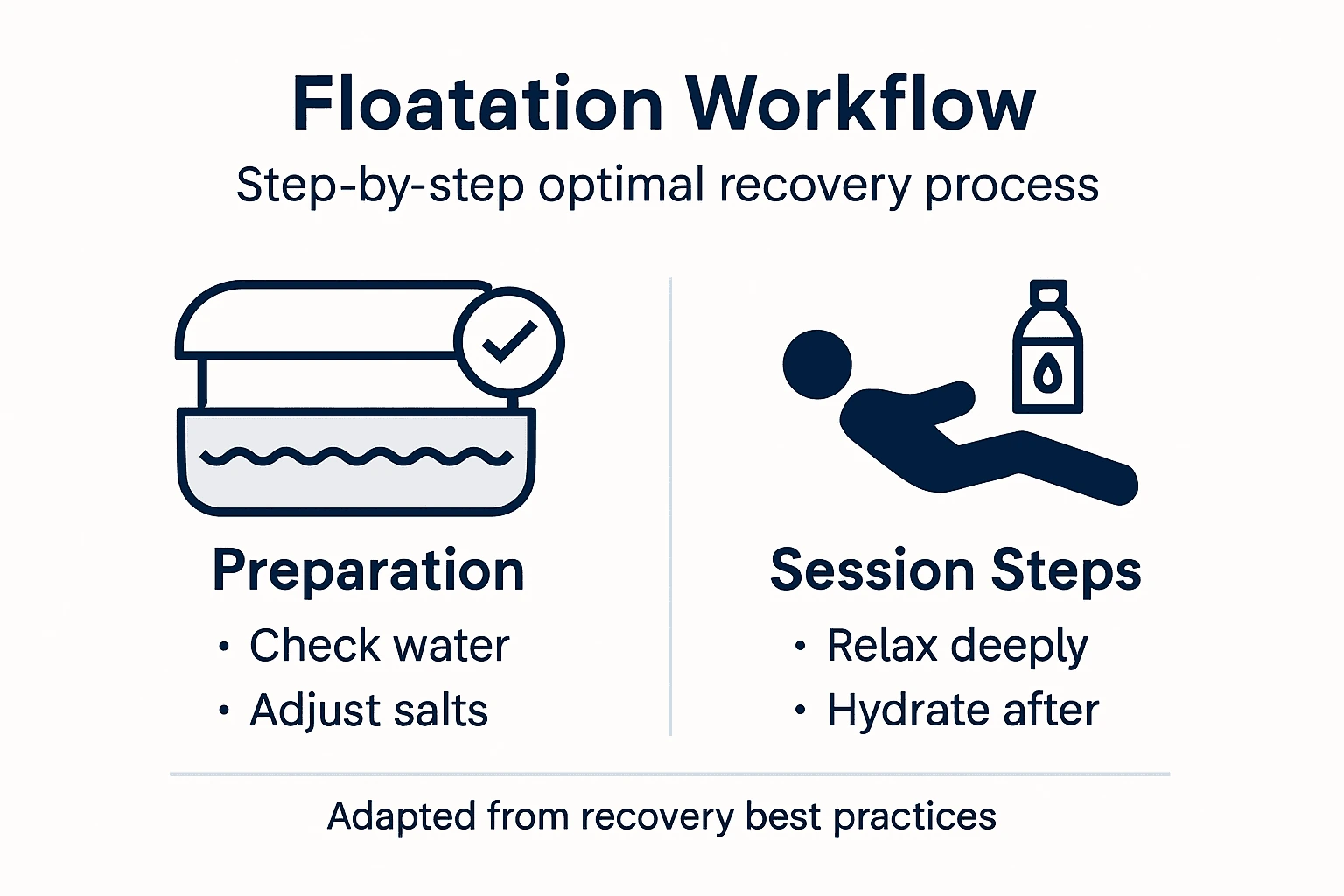
Compare the physiological and psychological benefits noticed at different stages of floatation therapy:
| Stage | Physical Effects | Mental/Emotional Effects |
| Pre-Float | Reduced muscle tension | Increased focus, lowered anxiety |
| During Float | Deep muscle relaxation | Enhanced clarity, meditative state |
| Post-Float | Loosened joints, better recovery | Calmness, improved sleep quality |
_Expert tip:_ _Create a simple digital or physical log to track your float session outcomes, enabling more precise understanding of your body’s recovery process._
Discover True Recovery with Expert Floatation Therapy in Cheshire
The journey to deep mental and physical restoration starts by mastering the precise floatation workflow outlined in the article. If you seek to eliminate sensory distractions, optimise your pre- and post-float routines, and experience the full physiological benefits of advanced sensory deprivation, our facility offers exactly what you need. At Float Therapy Wilmslow, we address common challenges such as maintaining perfect water temperature and salinity, guiding mindful breathing techniques during your session, and supporting effective recovery with hydration and contrast therapy.
Experience the power of our medical-grade Epsom salt pods combined with a dedicated contrast therapy suite featuring an infrared sauna and a cold plunge pool. This integrated approach enhances muscle recovery, reduces inflammation, and elevates mental clarity—delivering results that align perfectly with the scientific recovery workflow discussed. Take your wellness to the next level with private rooms, powerful rain showers, and a relaxing post-session lounge tailored for your comfort.
Ready to transform your recovery journey with expert floatation therapy and contrast treatments designed for optimal outcomes? Visit Float Therapy Wilmslow today to book your session. Explore our holistic solutions and start experiencing unparalleled relaxation and healing now.
Frequently Asked Questions
How do I prepare my floatation suite environment for optimal recovery?
To prepare your floatation suite environment, ensure the water temperature is around 35.5°C and the salinity is achieved using approximately 500kg of Epsom salts. Soundproof and lightproof the room to eliminate external distractions, creating a conducive atmosphere for deep relaxation.
What steps should I include in my pre-float routine?
Your pre-float routine should involve minimising caffeine intake, performing gentle stretching, and practising mindful breathing to help calm your nervous system. Engage in centred activities, such as light meditation, to mentally prepare before entering the float tank.
What techniques can I use during my float session to enhance relaxation?
During your float session, enter the tank slowly, support your head and neck, and progressively relax every muscle group from head to toe. Focus on your breathing to maintain a calm state; this will allow your body to fully embrace the sensory isolation and maximise therapeutic benefits.
What post-float care should I follow to support recovery?
After your float, drink water immediately to rehydrate and take a warm shower to rinse off any salt residue. Allow yourself time for gentle movement and wear comfortable clothing to ease back into your normal routine and enhance your recovery experience.
How can I track the results of my floatation therapy sessions?
To track the results of your floatation therapy sessions, document your physical sensations, note changes in your mental state, and observe your sleep quality and energy levels. Use a simple log to record your experiences after each session to understand how your body is responding to the therapy.