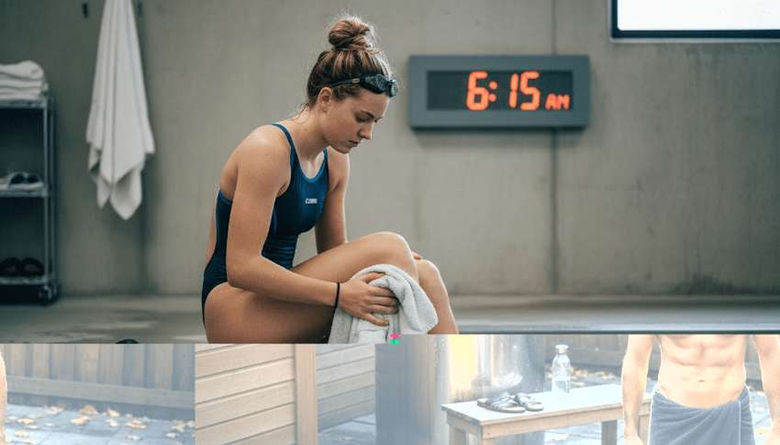
Every athlete pushing through gruelling CrossFit sessions or Cheshire triathlon training understands the struggle of lingering muscle soreness and stubborn fatigue. The search for faster recovery is real, and contrast therapy—alternating heat and cold exposure—may hold the edge. By triggering powerful physiological shifts in your body, this method can help flush out soreness, support repair, and build resilience. Read on to discover how pairing sauna after a cold plunge can transform post-workout recovery and support your next performance breakthrough.
Key Takeaways
| Point | Details |
|---|---|
| Contrast therapy enhances recovery | Alternating between heat and cold improves circulation and reduces inflammation, making it beneficial for athletes post-training. |
| Proper timing and temperature are crucial | Engaging in contrast therapy 30–45 minutes after workouts maximises recovery benefits while ensuring safe practice is followed. |
| Gradual acclimatisation is essential | Beginners should start with shorter durations and progressively increase exposure to prevent overwhelming the body. |
| Maintain hydration and listen to your body | Staying hydrated and monitoring for any signs of discomfort can prevent complications associated with contrast therapy. |
Contrast Therapy Explained: Heat and Cold Principles
Contrast therapy works like flipping a switch between two opposite physiological states. Your body responds dramatically differently to heat versus cold, and when you alternate between them strategically, you unlock powerful recovery benefits.
Heat exposure in saunas triggers vasodilation , meaning your blood vessels expand and blood flow increases significantly. This increased circulation delivers oxygen and nutrients to damaged muscle fibres, whilst also promoting tissue elasticity and muscle relaxation. When you sit in an infrared sauna, your cardiovascular system activates, heart rate elevates, and your muscles begin to unwind—similar to the recovery you’d experience after an easy training session.
Cold exposure, conversely, causes vasoconstriction : your blood vessels narrow, reducing blood flow to the surface. This triggers your body’s natural heat production mechanisms through shivering and non-shivering thermogenesis. More importantly, cold exposure reduces inflammatory responses and decreases pain receptor activation, which is why ice baths feel instantly numbing.
The magic happens when you alternate between them. Here’s the physiological sequence:
- Blood vessels dilate in the sauna, flushing oxygen to muscles
- Cold plunge causes rapid vasoconstriction, pushing metabolic waste products away
- Return to heat allows fresh blood to flood back in
- Each cycle amplifies circulation and accelerates recovery
Timing matters considerably. Heat typically requires 5–30 minutes of exposure, whilst cold should last up to 20 minutes maximum. For Cheshire athletes new to contrast therapy, starting with shorter durations and building tolerance gradually prevents overwhelming your system.
Temperature control and proper duration are non-negotiable—they determine whether contrast therapy accelerates recovery or triggers stress responses.
Your nervous system also shifts during contrast therapy. Heat activates your parasympathetic response (rest and digest), whilst cold stimulates the sympathetic system (fight or flight). This nervous system variation strengthens your body’s adaptability, a critical advantage for endurance athletes and CrossFit competitors managing high training stress.
Understanding these heat and cold physiological principles gives you the foundation to use contrast therapy safely and effectively. Whether you’re recovering from a triathlon or managing post-workout inflammation, the mechanics remain the same: alternating vascular responses accelerate metabolic recovery.
To clarify the effects of each modality, here is a concise comparison of the primary physiological responses to heat and cold in contrast therapy:
| Parameter | Heat (Sauna) | Cold (Plunge) |
|---|---|---|
| Blood vessel effect | Vasodilation (expansion) | Vasoconstriction (constriction) |
| Circulation | Increased to muscles and tissues | Reduced to surface, preserved core |
| Nervous system | Parasympathetic activation | Sympathetic stimulation |
| Muscle response | Relaxation and elasticity | Numbing, reduced soreness |
| Inflammation | Gradual reduction | Immediate suppression |
| Metabolic impact | Promotes tissue repair processes | Limits damage, removes waste rapidly |
_Pro tip:_ _Start with 3 minutes in the sauna, 1 minute in the cold plunge, then repeat 3–4 times; beginners should build tolerance over 4–6 weeks before extending durations significantly._
Physiological Benefits for Athletic Recovery
After a brutal training session, your muscles are inflamed, depleted of glycogen, and packed with metabolic waste products. Contrast therapy—sauna after cold plunge—targets this damage directly by harnessing your body’s natural recovery mechanisms.
The cold plunge triggers immediate physiological responses. Cold-water immersion reduces muscle inflammation through rapid vasoconstriction, which limits blood flow and constrains inflammatory responses at the cellular level. This happens within seconds: your blood vessels clamp down, inflammatory compounds stop spreading, and soreness begins to ease.
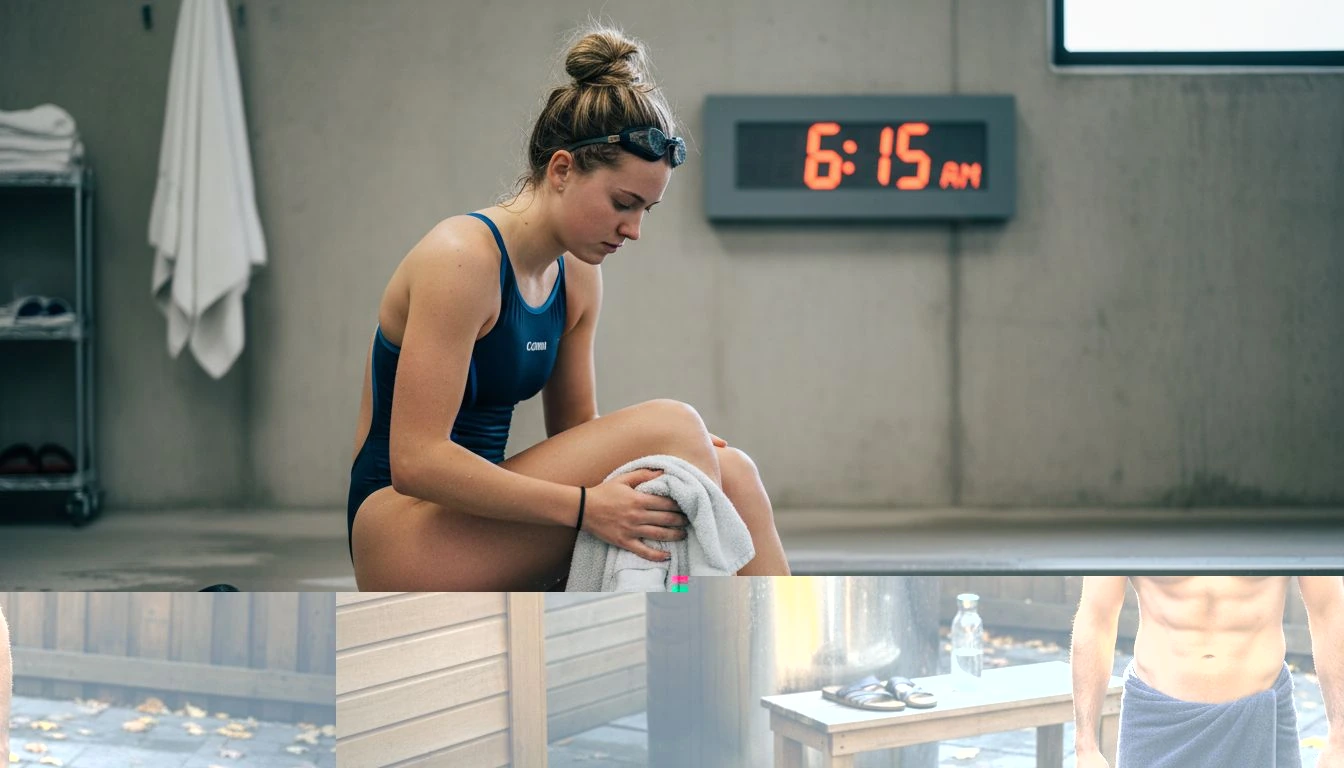
But the sauna does something entirely different. Heat exposure activates heat-induced hyperthermia , a protective state where your body mobilises repair mechanisms. Sauna sessions improve muscle performance, flexibility, and cardiovascular function by triggering neuroendocrine responses that support muscle repair and reduce inflammation over time.
Here’s what happens when you combine them strategically:
- Cold plunge: Limits inflammatory damage immediately post-exercise
- Sauna transition: Activates growth hormone and muscle protein synthesis
- Vascular cycling: Each alternation flushes metabolic waste more efficiently
- Cumulative effect: Recovery accelerates across 24–48 hours
For triathletes and CrossFit athletes in Cheshire, this matters enormously. You’re stressing your nervous system constantly through high-volume training. Contrast therapy helps restore parasympathetic balance whilst simultaneously accelerating muscle repair, meaning you can tolerate more training stress without breaking down.
Regular sauna use has been linked to improved endurance capacity, better thermoregulation under race conditions, and reduced cardiovascular risk long-term. That’s not just recovery—that’s performance enhancement wrapped in a recovery protocol.
Muscle soreness (DOMS) diminishes faster with contrast therapy because you’re addressing inflammation whilst simultaneously promoting fresh blood delivery to damaged tissues. Cold alone doesn’t rebuild muscle; heat activates the mechanisms that do.
The magic isn’t in heat or cold individually—it’s in the alternation forcing your cardiovascular system to adapt and recover more efficiently.
Your mood and sleep improve too. Athletes report better sleep quality and enhanced resilience to physical stress, which compounds recovery benefits across multiple recovery domains.
_Pro tip:_ _Time your contrast therapy 30–45 minutes post-workout when inflammation peaks; this window maximises the cold plunge’s anti-inflammatory benefits before transitioning to sauna for muscle repair activation._
Sauna After Cold Plunge: Key Protocols and Timing
Getting the sequence wrong wastes recovery potential. The order matters: cold plunge first, then sauna. But the real magic lies in precise timing, temperature control, and gradual progression.
<https://www.youtube.com/embed/7aYArAYghUA>
Start conservatively if you’re new to contrast therapy. Beginners should begin with short sauna sessions of around 10 minutes, gradually increasing to 15 minutes across two to three sessions weekly. This gives your body time to adapt without triggering excessive stress responses.
Your cold plunge temperature and duration are equally critical. Cold water temperatures between 10–15°C for 10 to 15 minutes represent the sweet spot for recovery. Anything colder than 10°C requires careful monitoring and previous adaptation experience.
Here’s the recommended sequence for each session:
- Cold plunge: 10–15 minutes at 7–15°C (you’ll be shivering—that’s normal)
- Transition: 3–5 minutes to allow heart rate to settle
- Sauna: 10–15 minutes at 65–90°C
- Cool-down: 5 minutes in a lukewarm shower
Timing around your training matters significantly. Perform contrast therapy 30–45 minutes post-workout when inflammation peaks, allowing the cold plunge to maximise anti-inflammatory benefits. Waiting too long diminishes effectiveness; jumping in immediately risks cardiovascular stress.
Frequency should match your training load. Triathletes doing high-volume weeks benefit from two to three contrast sessions weekly. CrossFit competitors managing intense metabolic stress may tolerate three to four sessions. Never exceed four weekly unless you’re experienced.
Gradual acclimatisation prevents injury and allows your cardiovascular system to adapt safely. Rushing progression causes excessive stress, not enhanced recovery.
Temperature precision matters more than most athletes realise. Sauna temperatures typically range from 65–90°C, with dry heat being standard. Avoid jumping between extremes; consistency builds adaptation.
Monitor your body’s signals closely. Dizziness, nausea, or excessive heart rate elevation suggests you’ve pushed too hard. Back off duration or temperature, then progress more gradually next session.
Consistency beats intensity here. Regular, moderate contrast therapy outperforms sporadic aggressive sessions by building sustainable cardiovascular adaptability.
For athletes considering how to optimise their recovery routine, here is a summary of recommended protocols and safe practice guidelines:
| Recovery Protocol | Duration/Temperature | Frequency | Precautions |
|---|---|---|---|
| Cold Plunge | 10–15 mins at 10–15°C | 2–4 times weekly | Avoid if unacclimatised or alone |
| Sauna | 10–15 mins at 65–90°C | 2–3 times weekly | Hydrate, limit to 20 mins max |
| Combined Contrast Cycle | 3–4 rounds, alternate heat/cold | 2–3 times weekly | Gradually build tolerance |
| Post-Session Cool Down | 5 mins at room temperature | Every session | Do not shock system with extremes |
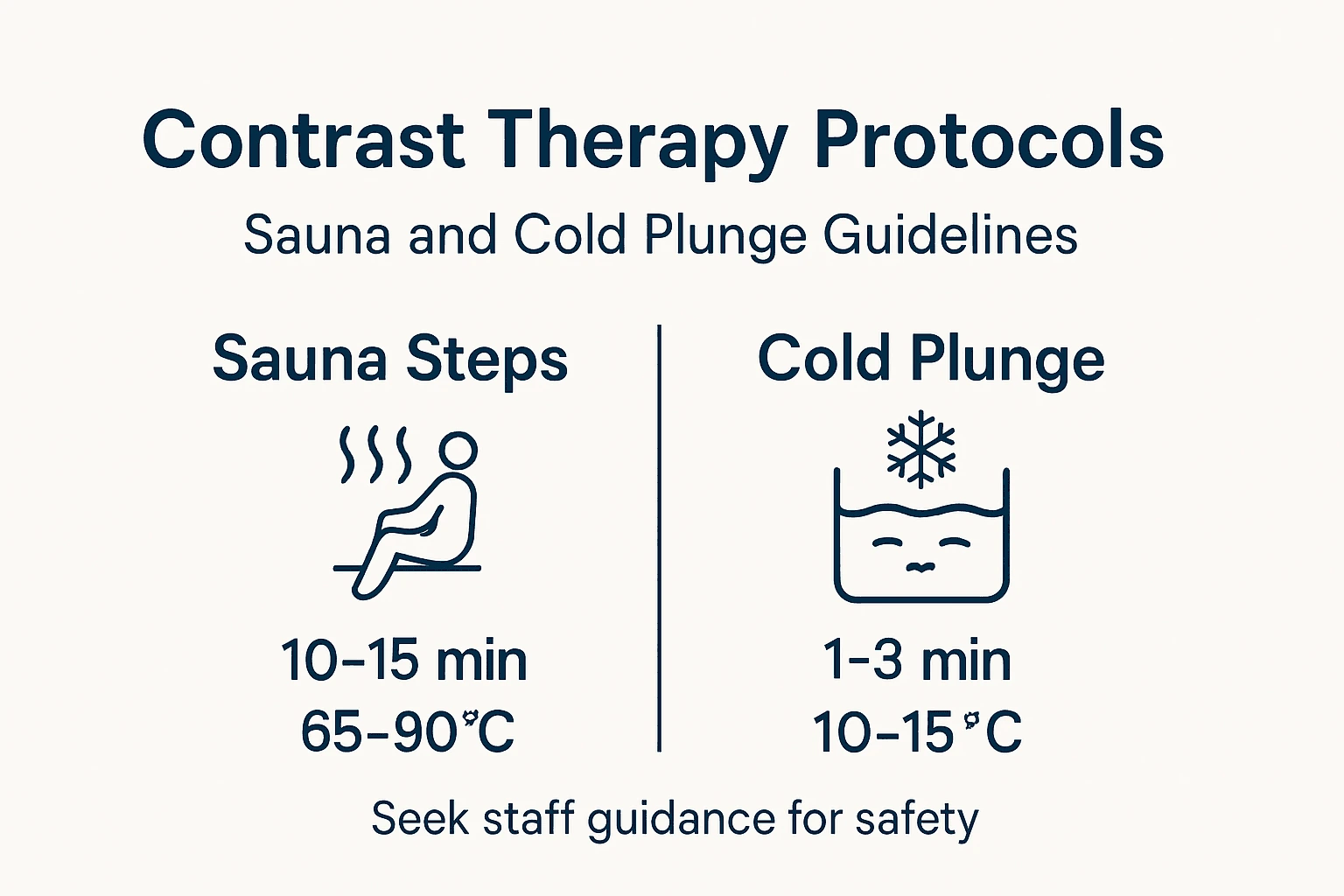
_Pro tip:_ _Week one: 10 minutes sauna and 10 minutes cold at 12°C; week two: increase to 12 minutes each; week three: progress to 15 minutes sauna and 15 minutes cold—this three-week progression minimises adaptation stress whilst building tolerance reliably._
Risks, Safety Guidelines, and Common Mistakes
Contrast therapy isn’t risk-free. Pushing too hard or ignoring warning signs can trigger serious complications. The good news: most risks are entirely preventable with basic precautions.
Cold water immersion carries distinct dangers. Cold shock response, hypothermia, and cardiovascular stress can develop rapidly, particularly in inexperienced users. Cold shock happens within seconds of immersion: your body gasps involuntarily, heart rate spikes dangerously, and blood pressure surges. This alone has caused deaths in unprepared individuals.
Sauna risks operate differently but prove equally serious. Dehydration, low blood pressure, and syncope occur when staying too long or ignoring your body’s signals. Limit sessions to 15–20 minutes maximum, regardless of how good you feel.
Avoid these critical mistakes entirely:
- Never plunge alone; always have someone present
- Don’t jump into extremely cold water without gradual acclimatisation
- Never exceed recommended durations even when feeling resilient
- Avoid alcohol before or immediately after sauna use
- Don’t ignore dizziness, chest discomfort, or irregular heartbeats
- Skip contrast therapy if you have cardiovascular disease, poor circulation, or low blood pressure
Certain medical conditions contraindicate contrast therapy completely. Consult your doctor if you have a history of heart problems, diabetes, or hypertension before starting any protocol.
Hydration is non-negotiable. Drink electrolyte water before entering the sauna, between sessions, and after completing contrast therapy. Dehydration sneaks up silently, then suddenly you’re dizzy or nauseous.
Respect the discomfort—embrace the cold—but never ignore warning signs. Your body communicates clearly when something’s wrong. Listen.
Progression is where most athletes fail. They rush durations or temperatures because initial sessions felt manageable. This is how overtraining contrast therapy happens. Week-by-week progression prevents adaptation shock.
Cool down gradually after sauna sessions. Don’t jump into a cold shower immediately; take 5 minutes at room temperature first. Your cardiovascular system needs transition time.
Never combine contrast therapy with other extreme stressors on the same day. Doing a brutal training session, then immediately contrast therapy, then sauna creates dangerous cumulative stress.
_Pro tip:_ _Always perform contrast therapy in a facility with trained staff present and clear emergency protocols—never attempt home ice baths alone until you’ve experienced guided sessions at a professional centre like Float Therapy Wilmslow._
Alternatives and Complementary Recovery Methods
Contrast therapy works brilliantly, but it’s not your only recovery tool. The most effective athletes stack multiple complementary approaches to address different recovery domains simultaneously.
Yoga and controlled breathing deserve serious consideration. These practices activate your parasympathetic nervous system—the opposite of what contrast therapy does. Whilst contrast therapy stresses your cardiovascular system adaptively, gentle yoga and breathwork calm your nervous system and reduce cortisol. Combine them strategically: contrast therapy on hard training days, yoga on lighter recovery days.
Therapeutic massage accelerates recovery when paired with contrast therapy. Therapeutic massage reduces pain, stress, and supports functional recovery through tissue manipulation and improved circulation. Many guests book a massage alongside their contrast session for a deeper full-body reset.
Mindfulness and meditation offer psychological recovery that physical modalities cannot provide. High-volume training creates cumulative mental fatigue alongside physical fatigue. Meditation addresses this directly by reducing anxiety and improving sleep quality, both critical for recovery.
Consider these complementary methods:
- Yoga: 2–3 sessions weekly for nervous system balance
- Therapeutic massage: Every 7–10 days, 48 hours post-hard training
- Meditation: Daily, 10–15 minutes minimum
- Stretching routines: Post-workout, 10 minutes
- Foam rolling: Evening sessions on non-contrast days
Sleep remains the foundation. Contrast therapy, massage and floating all deliver their best results when built on consistent, quality sleep. Aim for 7–9 hours nightly and prioritise this above everything else.
Complementary therapies address physical, emotional, and psychological aspects of recovery when integrated thoughtfully. This holistic approach prevents overtraining and burnout — the pieces work best together.
Nutrition deserves equal attention. Recovery occurs during eating, not just during therapy sessions. Consume protein and carbohydrates within 45 minutes post-workout to capitalise on elevated muscle protein synthesis.
Recovery isn’t linear—it requires addressing cardiovascular stress, nervous system balance, tissue repair, and psychological resilience simultaneously.
Float therapy complements contrast therapy exceptionally well. Sensory deprivation pods provide deep relaxation whilst promoting parasympathetic activation, directly offsetting contrast therapy’s sympathetic stress.
These modalities are designed to work together, so you can layer them with confidence. Add one new recovery tool at a time, notice how you respond, and build the routine that suits you.
_Pro tip:_ _Create a weekly recovery schedule: contrast therapy twice, yoga once, massage monthly, float therapy bi-weekly, and consistent sleep nightly—this balanced approach optimises recovery without overcomplicating your routine._
Unlock Peak Recovery with Expert Contrast Therapy at Float Therapy Wilmslow
If you are striving to recover faster from intense training sessions or manage post-workout inflammation more effectively, understanding why sauna after cold plunge enhances recovery is crucial. The article highlights how alternating vasodilation and vasoconstriction through heat and cold exposure reduces inflammation, accelerates muscle repair, and balances your nervous system. At Float Therapy Wilmslow, we specialise in this advanced contrast therapy protocol using a high-performance infrared sauna coupled with a precisely controlled cold plunge pool maintained at 7°C. This combination targets the very physiological responses discussed—boosting circulation, reducing soreness, and promoting parasympathetic calm after sympathetic activation.
Ready to transform your recovery routine with a luxurious and scientifically supported approach in Cheshire Attend one of our sessions to experience private contrast therapy suites designed to optimise your vascular cycling and metabolic recovery. Complement your heat and cold exposure with our sensory deprivation float pods that further enhance mental relaxation and stress relief. Do not wait for soreness or fatigue to limit your performance Visit Float Therapy Wilmslow today and book your first contrast therapy experience to gain long-lasting recovery benefits that let you train harder and recover smarter.
Frequently Asked Questions
What are the primary benefits of using a sauna after a cold plunge?
Using a sauna after a cold plunge enhances recovery by promoting vasodilation, which increases blood flow to muscles, delivering oxygen and nutrients needed for repair and reducing soreness.
How long should I spend in the sauna after a cold plunge?
Ideally, spend 10 to 15 minutes in the sauna after your cold plunge. This duration is sufficient for your body to activate its recovery mechanisms without overstressing your cardiovascular system.
Why is the order of cold plunge followed by sauna important?
The order matters because starting with a cold plunge induces vasoconstriction, reducing inflammation. Following it up with heat from the sauna promotes vasodilation, allowing fresh blood to return to muscles, enhancing recovery efficiency.
Can I perform contrast therapy daily?
While regular use can enhance recovery, it’s important not to exceed two to four contrast therapy sessions per week, especially if you’re new to it. This prevents excessive stress on your body and allows for proper recovery adaptation.