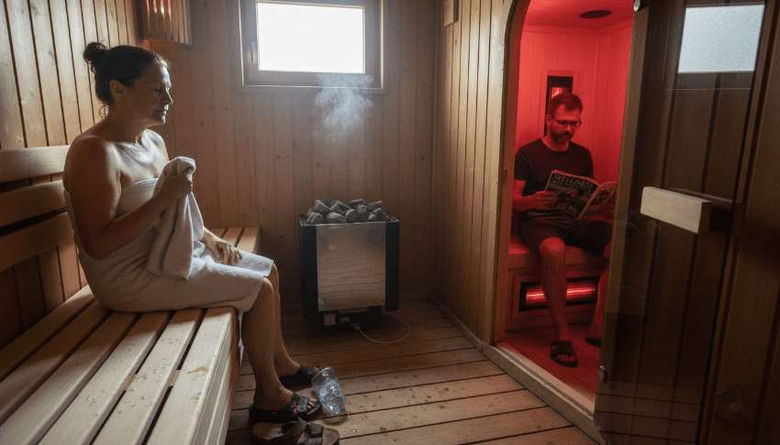
Finding genuine recovery time can be a challenge for active professionals and dedicated athletes in Greater Manchester juggling high-performance routines and constant stress. The search for smarter, accessible solutions is driving interest in therapies that balance convenience with proven wellness benefits. If you are exploring options like infrared sauna therapy, understanding the unique physiological effects and common misconceptions will empower you to make confident choices for enhanced relaxation, faster healing, and better stress management in everyday life.
Key Takeaways
| Point | Details |
|---|---|
| Sauna Types and Functions | Traditional, steam, and infrared saunas offer different experiences and health benefits, so choose based on personal preferences. |
| Health Benefits | Regular sauna use can enhance cardiovascular health, aid muscle recovery, and reduce stress. |
| Accessibility Considerations | Infrared saunas are generally more accessible due to lower temperatures and compact design, making them suitable for various users. |
| Economic Factors | Consider installation costs, energy efficiency, and space requirements when selecting a sauna type. |
Defining Saunas and Key Misconceptions
Saunas represent more than just heated rooms - they are cultural wellness experiences with nuanced health implications. Sauna myths continue to persist across wellness communities, often blending traditional practices with modern misunderstandings about their physiological impacts.
At their core, saunas are thermal environments designed to induce sweating through controlled heat exposure. The primary types include:
- Dry saunas : Traditional Finnish-style rooms with extremely low humidity
- Steam saunas : High-humidity environments with water-generated heat
- Infrared saunas : Using electromagnetic waves to generate heat directly within body tissues
The true rewards of sauna bathing reach well beyond the popular detox story. Health practitioners emphasise that while sauna bathing offers relaxation and potential cardiovascular benefits, the body’s primary detoxification occurs through liver and kidney functions, not excessive sweating.
Many individuals mistakenly view saunas as uniform experiences, but thermal comfort varies significantly between individuals. Factors like heat tolerance, hydration levels, and personal health status dramatically influence one’s sauna experience and potential benefits.
_Pro tip:_ _Always consult healthcare professionals and listen to your body’s unique responses when incorporating sauna sessions into your wellness routine._
How Infrared and Traditional Saunas Function
Thermal technology has evolved significantly in sauna design, creating two distinct heat delivery methods that fundamentally transform user experiences. Heating mechanisms differ dramatically between traditional and infrared sauna approaches, each offering unique physiological interactions with the human body.
Traditional saunas operate through conventional heating principles, utilising two primary technologies:
- Wood-burning stoves : Classic Finnish approach generating ambient heat
- Electric heaters : Modern alternative providing consistent temperature control
- Heating rocks : Used in both styles to radiate warmth throughout the enclosed space
Infrared saunas represent a technological leap, employing radiation for direct bodily heating. Unlike traditional models that warm surrounding air, infrared wavelengths penetrate skin directly, creating a more targeted thermal experience. This method allows lower ambient temperatures while still inducing significant physiological responses like increased heart rate and perspiration.
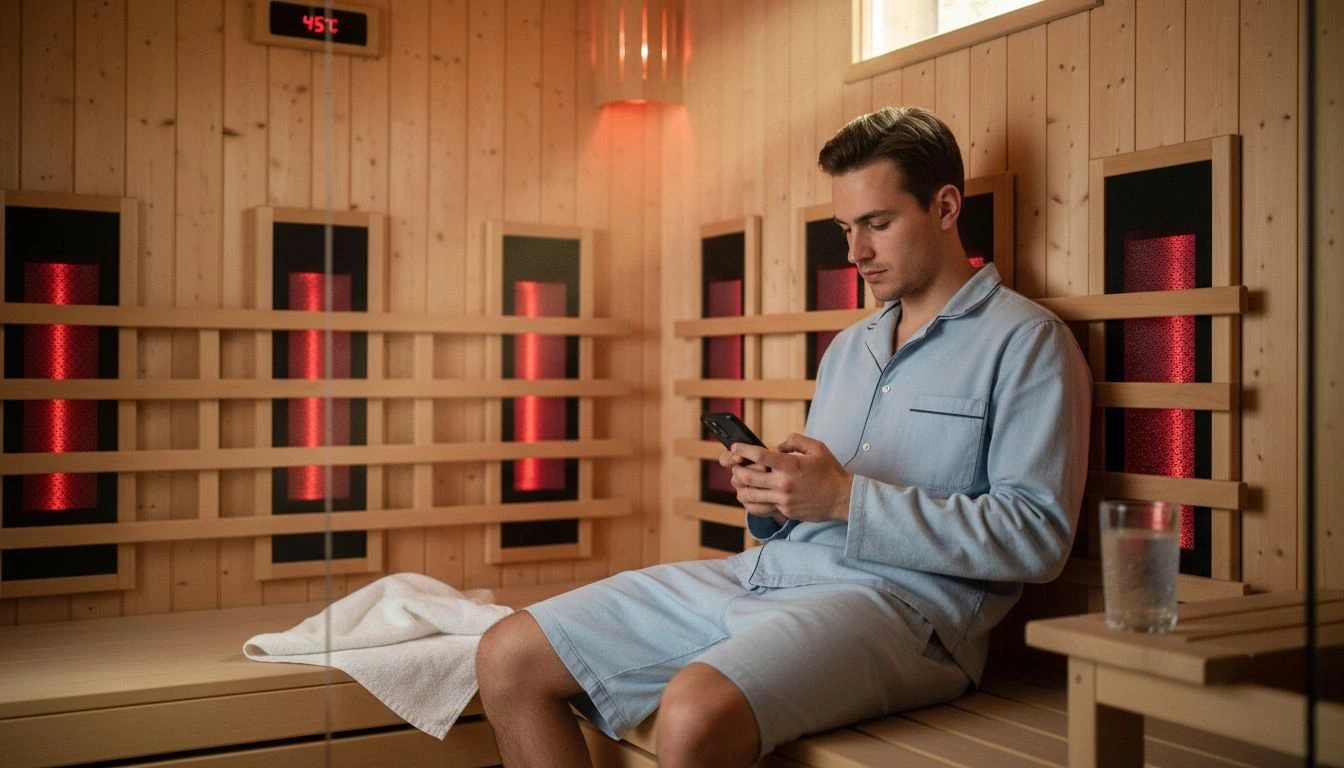
The key distinction lies in heat transfer mechanism. Traditional saunas create an intensely hot environment typically ranging between 85-100°C, whereas infrared saunas operate at more moderate temperatures around 45-65°C, making them potentially more accessible for individuals with lower heat tolerance.
Here is a structured comparison of key sauna types highlighting what makes each unique:
| Sauna Type | Typical Temperature | Heat Source | Best For |
|---|---|---|---|
| Traditional (Dry) | 85–100°C | Wood or electric | Intense heat, recovery |
| Steam | 45–65°C | Steam generator | Hydration, moist climate |
| Infrared | 45–65°C | Infrared panels | Gentle heat, easy access |
_Pro tip:_ _Start with shorter sauna sessions and gradually increase duration to understand your body’s unique thermal response and comfort levels._
Health Benefits for Recovery and Relaxation
Sauna therapy emerges as a powerful tool for holistic wellness, offering multifaceted benefits that extend far beyond simple heat exposure. Cognitive health research suggests profound neurological advantages associated with consistent sauna practice, potentially mitigating risks of neurodegenerative conditions.
The physiological impacts of sauna bathing are remarkably comprehensive:
- Cardiovascular enhancement : Improves blood circulation and heart function
- Muscle recovery : Reduces soreness and accelerates post-exercise healing
- Stress reduction : Triggers relaxation responses through heat-induced hormonal changes
- Immune system support : Stimulates production of heat shock proteins
Sauna therapy demonstrates significant physiological responses comparable to moderate exercise, increasing heart rate and inducing sweating. This controlled thermal stress activates numerous bodily mechanisms that promote recovery and resilience. The heat exposure triggers enhanced blood flow, supporting muscle repair and reducing inflammation more effectively than passive rest.
Mental wellness stands equally transformed by sauna practice. The meditative environment, combined with physiological changes, creates a profound relaxation state that helps mitigate stress, improve sleep quality, and potentially reduce anxiety symptoms. Regular sessions can serve as a powerful reset mechanism for both body and mind.
_Pro tip:_ _Hydrate extensively before and after sauna sessions to maximise physiological benefits and support your body’s natural recovery processes._
Comfort, Experience and Accessibility Compared
Sauna experiences vary dramatically between traditional and infrared technologies, with individual comfort being the ultimate determining factor. Thermal comfort research explores nuanced differences in heat perception and physiological response across different sauna types.
Key accessibility considerations include:
- Temperature range : Infrared 45-65°C vs Traditional 85-100°C
- Heat penetration : Direct tissue heating versus ambient air warming
- Session duration : Typically 15-45 minutes depending on individual tolerance
- Physical requirements : Ease of entry, mobility considerations
Sauna user experience depends significantly on personal heat tolerance and individual physiological responses. Infrared saunas offer a gentler thermal experience, making them more approachable for individuals sensitive to intense heat environments. The lower temperatures and targeted heat delivery create a more controlled and potentially more comfortable wellness intervention.
The positioning and heat distribution within different sauna types further influence user comfort. Infrared models provide more consistent heat across body surfaces, whereas traditional saunas create more variable temperature zones that can feel more intense and unpredictable for some users.
_Pro tip:_ _Begin with shorter, lower-temperature sessions and gradually increase duration to understand your personal thermal comfort and physiological response._
Costs, Energy Use and Installation Factors
Investigating the economic landscape of sauna technologies reveals significant variations in installation, operational expenses, and energy consumption. Regulatory codes address critical infrastructure considerations that impact both residential and commercial sauna implementations.
Key cost and energy considerations include:
- Initial installation costs : Infrared models typically 30-50% less expensive
- Energy consumption : Traditional saunas use 2-3 times more electricity
- Space requirements : Infrared units often more compact
- Electrical infrastructure : Traditional saunas may require additional electrical upgrades
Energy efficiency varies substantially between sauna technologies. Infrared models demonstrate remarkable power efficiency by directly heating human tissue rather than warming entire air volumes. Traditional saunas consume significantly more energy maintaining high ambient temperatures, translating to higher operational expenses over time.
Installation complexity differs markedly between sauna types. Infrared units typically require minimal structural modifications, often fitting into existing spaces with standard electrical connections. Traditional saunas demand more extensive ventilation considerations, potential structural reinforcements, and more complex heat management systems.
Below is a summary of cost and accessibility impacts when selecting a sauna technology:
| Factor | Traditional Sauna | Infrared Sauna |
|---|---|---|
| Installation Cost | Higher, complex builds | Lower, simple upgrades |
| Energy Consumption | High, intensive use | Low, efficient use |
| Space Requirement | Large custom space | Compact, versatile fit |
| Electrical Needs | May need upgrades | Standard connections |
_Pro tip:_ _Calculate long-term energy costs and potential electrical upgrades before selecting your preferred sauna technology to avoid unexpected expenses._
Which Sauna Suits Your Goals and Lifestyle
Selecting the ideal sauna requires careful consideration of individual wellness objectives, physical capabilities, and personal preferences. Community health research suggests that sauna choice is fundamentally linked to specific health and lifestyle goals.
Ideal sauna selection depends on several key factors:
- Athletic recovery : Infrared heat paired with a cold plunge for deep muscle rehabilitation
- Stress management : Infrared saunas for gentle, prolonged relaxation
- Cardiovascular health : Infrared sessions gently raise heart rate, comparable to moderate exercise
- Energy sensitivity : Infrared saunas for lower-intensity thermal experiences
- Space constraints : Infrared units for compact living environments
Health prescription strategies increasingly recognise saunas as personalised wellness interventions. Athletes increasingly reach for infrared saunas, whose penetrating heat supports rapid muscle recovery, while anyone managing chronic stress will find the gentler temperatures make longer, deeply restorative sessions easy to enjoy.
Ultimately, the most suitable sauna transcends technical specifications and reflects your unique physiological needs, lifestyle constraints, and personal comfort thresholds. Consider factors like heat tolerance, available space, budget, and specific health objectives when making your selection.
_Pro tip:_ _Consult with a healthcare professional to understand how specific sauna technologies might complement your individual wellness strategy._
Discover Your Ideal Heat Recovery Experience at Float Therapy Wilmslow
Choosing between infrared and traditional saunas depends on your unique wellness goals and heat tolerance. If you seek gentle, targeted heat for stress relief and muscle recovery with lower ambient temperatures infrared saunas offer a powerful yet accessible solution. Pair that penetrating heat with a cold plunge and contrast therapy adds powerful cardiovascular stimulation and accelerated athletic recovery. Our facility bridges these preferences with a high-performance infrared sauna integrated into a holistic contrast therapy suite. Released heat works in harmony with our cold plunge pool maintaining 7°C to reduce inflammation and invigorate both body and mind.
At Float Therapy Wilmslow we understand the challenge of finding wellness modalities tailored to your individual physiology and lifestyle. Experience the calming depths of our sensory deprivation pods combined with expertly designed contrast therapy that applies the science of heat and cold exposure for optimal recovery and mental restoration. Are you ready to explore which sauna experience suits your health objectives and lifestyle best Try our dedicated contrast therapy sessions and unlock rejuvenation now The time to transform your wellness routine is today Visit Float Therapy Wilmslow to book your session and take the first step towards a revitalised you.
Frequently Asked Questions
What are the key differences between infrared and traditional saunas?
Infrared saunas operate at lower temperatures (45-65°C) and use infrared panels to heat the body directly, while traditional saunas reach higher temperatures (85-100°C) and rely on ambient heat. This makes infrared saunas potentially more suitable for individuals with lower heat tolerance.
How does sauna use benefit muscle recovery?
Both infrared and traditional saunas can aid muscle recovery by improving blood circulation, reducing soreness, and accelerating post-exercise healing. Infrared saunas provide targeted heat to help relax muscles, while traditional saunas enhance overall cardiovascular function.
Can sauna therapy help with stress management?
Yes, sauna therapy can significantly reduce stress levels. The heat induces relaxation responses and can lead to improved sleep quality and lowered anxiety symptoms, making both sauna types beneficial for stress management.
Which sauna type is better for cardiovascular health?
Traditional saunas are often preferred for more intense cardiovascular benefits due to their higher temperatures, which create a vigorous thermal environment that raises heart rate and enhances blood flow. Infrared saunas provide these cardiovascular advantages too, at gentler temperatures you can comfortably enjoy for longer.