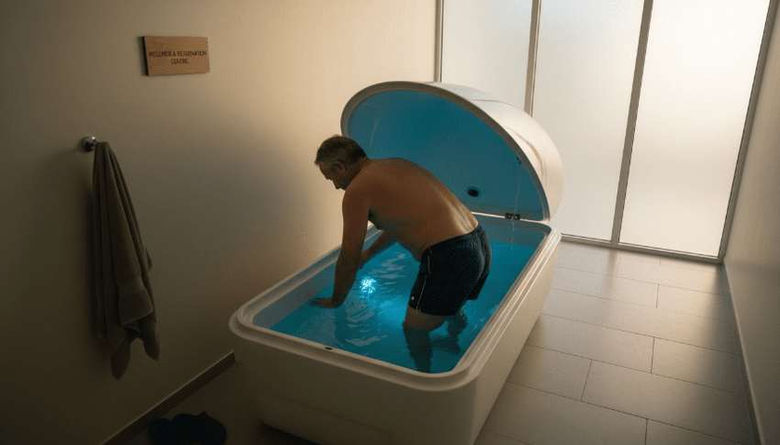
Finding genuine calm can feel elusive when demanding schedules and constant stimulation define life in Wilmslow and Alderley Edge. For those seeking luxury wellness, advanced float therapy offers a sensory pod environment that promotes profound relaxation and accelerates recovery. By embracing preparation rituals and deep relaxation techniques enhanced through sensory deprivation , you set the stage for meaningful stress relief and long-lasting benefits. Discover how mastering each step amplifies your overall wellbeing.
Quick Summary
| Key Point | Explanation |
|---|---|
| 1\. Prepare adequately for your float | Avoid heavy meals and caffeine, stay hydrated, and reduce stimulation before your session for optimal relaxation. |
| 2\. Focus on deep breathing during float | Use slow, intentional breathing to activate your parasympathetic nervous system, enhancing relaxation and stress relief. |
| 3\. Engage in post-float integration rituals | Move slowly after the session, hydrate, and take time for quiet reflection to solidify the relaxation benefits. |
| 4\. Track your progress over time | Establish a baseline for stress, sleep, and mood before starting floats, recording improvements after each session to understand patterns. |
| 5\. Avoid immediate intense activity post-float | Refrain from strenuous exercise for at least an hour to maximise the physical and mental recovery benefits gained during the float. |
Step 1: Prepare for your floatation session
Prepping correctly sets the foundation for a truly transformative float experience. The hours before your session matter just as much as the time spent in the pod.
Start by timing your arrival strategically. Avoid large meals or caffeine intake 4-6 hours before floating, as these can interfere with your ability to relax deeply and trigger restlessness in the tank. If you’re floating post-exercise, this actually enhances recovery benefits, so plan accordingly.
On the morning or afternoon of your session, focus on hydration. Drink plenty of water throughout the day to prepare your body for the sensory experience ahead. Then, avoid shaving on the day of your float to prevent skin irritation when you’re submerged in the salt-saturated water.
A few hours before arrival, shift into a calmer mental space. Begin reducing stimulation—step away from demanding work, lower your screen time, and let your mind settle. This transition period allows your nervous system to downregulate naturally.
When you arrive at Float Therapy Wilmslow, you’ll shower thoroughly before entering the pod. This removes any oils, lotions, or residue that might affect the buoyancy or purity of the tank environment. The facility’s warm water, saturated with medical-grade Epsom salts, creates the perfect conditions for effortless floating.
Enter the tank in minimal or no clothing to maximise the sensory deprivation effect. This is essential for achieving the full benefits of the experience. Some people worry about claustrophobia, but Float Therapy Wilmslow offers adjustable lighting and sound options to help you ease into comfort.
Allow yourself permission to simply float without expectations—the deeper relaxation comes when you stop trying to achieve anything.
_Pro tip:_ _Set a simple intention before floating—something like “I’m here to release tension” or “I’m choosing calm”—then let it go once you’re in the tank. This gives your mind a gentle anchor without creating pressure._
Step 2: Experience deep relaxation in the sensory pod
Once you’re floating, the real work is simply letting go. The pod’s environment removes external distractions, allowing your mind and body to enter a state of profound calm that’s difficult to achieve elsewhere.
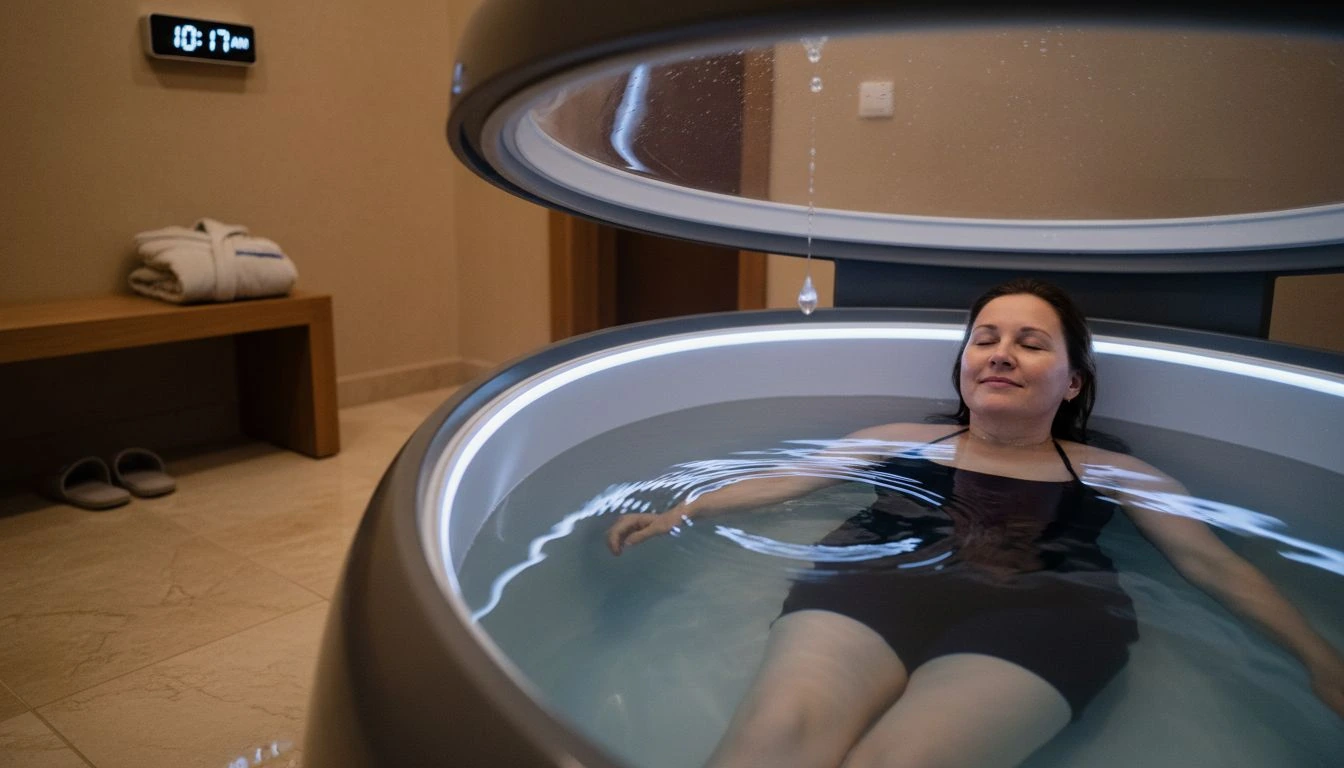
When you first settle into the water, take a moment to notice the sensation of effortless buoyancy. The salt concentration supports your body completely, eliminating the need for muscular effort. This physical release signals to your nervous system that it’s safe to downregulate.
Begin with deep, intentional breathing. Focus on slow diaphragmatic breathing, drawing air deep into your belly rather than shallow chest breathing. This activates your parasympathetic nervous system, the part responsible for rest and recovery. After a few minutes of conscious breathing, allow your rhythm to become natural and unforced.
As your mind settles, you may find it helpful to incorporate guided imagery or mindfulness techniques to deepen your relaxation state. Visualise a place of complete peace, or simply observe your thoughts without judgement as they drift by.
Your body may naturally shift into progressive muscle relaxation. Notice any areas of tension and consciously release them. With nothing external demanding your attention, you can finally tune into what your body needs.
The pod’s low sensory input creates the ideal environment for this work. Unlike meditation attempts at home, you won’t be interrupted by sounds, movement, or visual stimuli. Your heart rate will slow, muscle tension will dissolve, and your mind will drift into deeper states of awareness.
Here’s a concise summary of common challenges and how float therapy helps address them:
| Common Challenge | How Float Therapy Helps | Expected Outcome |
|---|---|---|
| High stress levels | Reduces cortisol production | Improved calm and resilience |
| Sleep difficulties | Promotes nervous system rest | Easier sleep and better rest |
| Muscle tension | Eases physical discomfort | Greater flexibility and relief |
| Racing thoughts | Encourages mindfulness | Enhanced mental clarity |
| Post-exercise fatigue | Aids muscle recovery | Faster physical restoration |
The deeper you relax, the less you need to do—surrender is the path forward, not effort.
Expect your first session to feel different from subsequent ones. Your mind might race initially, and that’s completely normal. By your second or third visit, the relaxation deepens considerably as your body learns to trust the experience.
_Pro tip:_ _Don’t chase specific experiences or expect anything in particular—the float works best when you simply allow whatever emerges without resistance or expectation._
Step 3: Incorporate post-float recovery rituals
What you do after floating matters just as much as the session itself. The transition period following your float is where integration happens and lasting benefits solidify.
When exiting the pod, move slowly and deliberately. Take your time standing up and moving through the facility. Your body has been in a deeply relaxed state, and rushing can cause dizziness or disorientation as your nervous system recalibrates to normal stimulation.
Once you’ve showered, spend at least 10-15 minutes in quiet reflection before returning to regular activities. Float Therapy Wilmslow’s relaxation lounge provides the perfect space for this transition. Simply sit, breathe, and allow your mind to settle further without rushing back into demands.
Rehydration is essential. Drink plenty of water to replenish your system after floating in salt water. This supports your body’s natural recovery processes and helps maintain the physiological benefits you’ve just gained.
Consider incorporating these post-float practices to extend your relaxation benefits:
- Gentle stretching to maintain the looseness your muscles have achieved
- Journaling to process your experience and track patterns over time
- Mindfulness or meditation to prolong the calm mental state you’ve cultivated
- Avoid intense exercise for at least an hour after floating
Many practitioners find that light recovery exercises and mindfulness practices significantly enhance the stress relief and healing effects. Writing down your thoughts, observations, or insights from the float creates a record you can revisit during stressful periods.
The hour after floating is sacred time—protect it from emails, meetings, and noise.
If you’ve floated post-exercise, this recovery window is particularly important. Your muscles have received both the sensory deprivation benefits and the physical recovery stimulus, so gentle movement and hydration optimise these combined effects.
The transition ritual bridges your float experience and your daily life, allowing the deep relaxation to influence your subsequent hours and days.
_Pro tip:_ _Journal immediately after your float while the insights are fresh—you’ll notice patterns in what emerges across multiple sessions, revealing your nervous system’s unique healing pathway._
Step 4: Assess stress relief and overall wellbeing
Tracking your progress transforms float therapy from a pleasant experience into a measurable wellness practice. Understanding how your body and mind respond helps you optimise your routine and recognise genuine improvements.
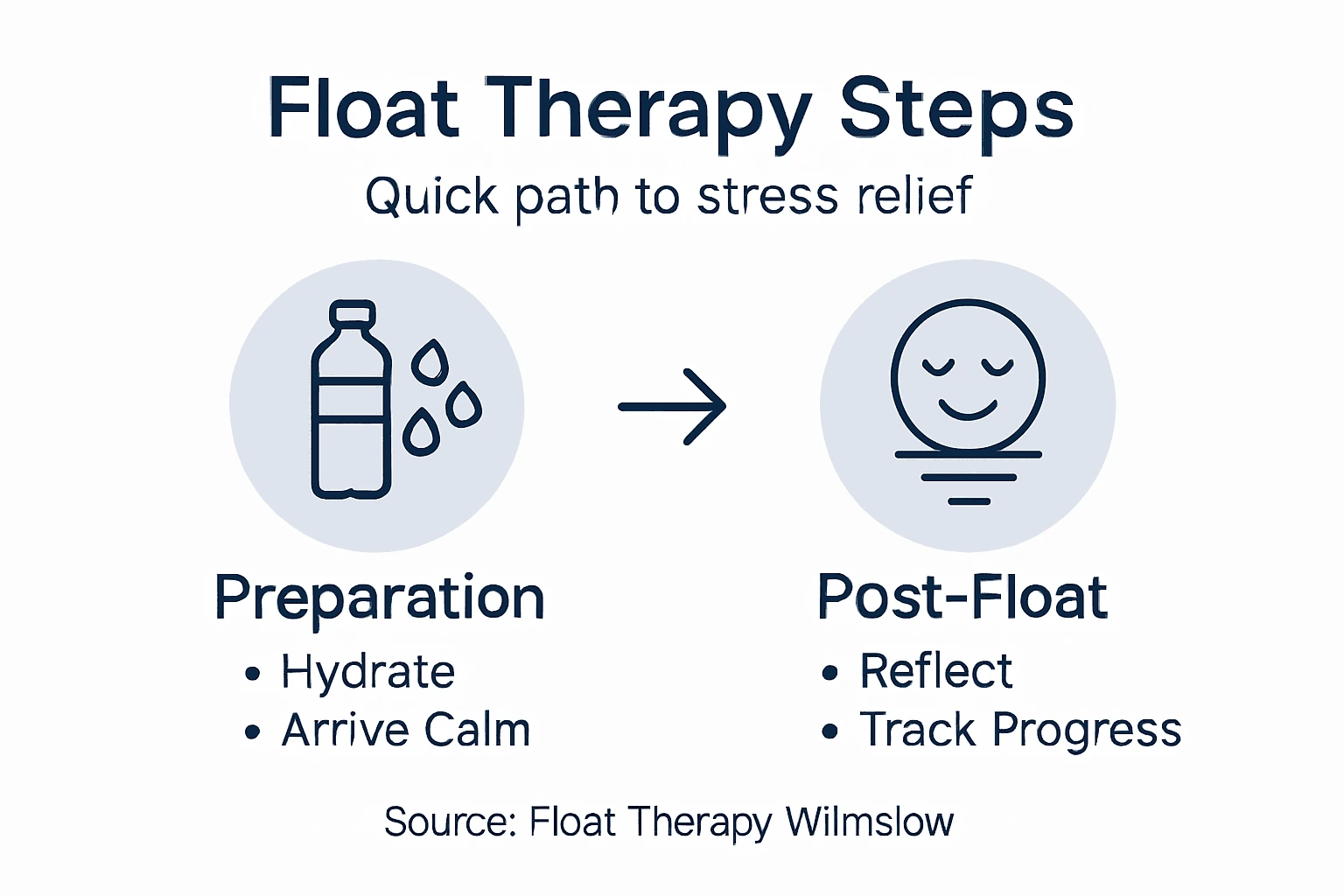
Begin by establishing a baseline before your first session. Note your current stress levels, sleep quality, anxiety patterns, and overall mood on a simple scale of 1-10. This gives you a reference point for comparison as you accumulate float sessions.
After each float, take 5 minutes to record your observations. Track what you notice in the hours and days following your session:
- Sleep quality and how quickly you fall asleep
- Stress levels when facing daily pressures
- Physical sensations like reduced muscle tension or improved posture
- Mental clarity and focus during work
- Anxiety symptoms and their intensity
- Overall mood and emotional resilience
Pay attention to physiological improvements such as reduced heart rate and lower stress hormones, which contribute significantly to your overall wellbeing. Most people notice the most pronounced benefits by their third or fourth session as their nervous system learns to access deeper relaxation states.
Look for patterns emerging across multiple floats. You might discover that floating weekly prevents anxiety from building throughout your month, or that post-exercise floats accelerate your physical recovery noticeably. These patterns reveal what works uniquely for your body.
Small, consistent improvements compound into transformative change—track them to see the bigger picture.
Beyond personal tracking, consider how float therapy integrates with your broader stress management approach. Are you sleeping better overall? Do you feel more resilient during challenging weeks? Does your body carry less tension?
At the three-month mark, reassess your baseline measurements. Most practitioners report significant improvements in anxiety reduction, mood stability, and quality of life when they’ve established a consistent float practice.
Below is an overview of float therapy progress tracking over time:
| Session Number | Notable Changes | How to Record Progress |
|---|---|---|
| First | Initial relaxation, restlessness possible | Establish baseline ratings |
| Second/Third | Deeper relaxation, quicker settling | Note reduced tension and anxiety |
| Three Months | Clear patterns and improvements | Reassess using same scales |
_Pro tip:_ _Use the same 1-10 scale consistently across months so you can spot trends—photographing your written notes creates a visual record that makes progress unmistakable._
Discover Lasting Stress Relief with Float Therapy Wilmslow
If you find yourself battling high stress levels , racing thoughts , or persistent muscle tension despite your best efforts, know that you are not alone. This article highlights how targeted sensory deprivation in floatation pods can transform your relaxation journey by promoting deep parasympathetic activation and easing both mental and physical strain. At Float Therapy Wilmslow, we understand how crucial it is to prepare, experience, and integrate float therapy effectively to unlock these benefits fully. Our sanctuary enhances your recovery with medical-grade Epsom salt pods and a sophisticated contrast therapy suite designed to complement the calming effects of sensory deprivation.
Step beyond temporary calm and embrace a personalised wellness solution tailored to your unique nervous system demands. Whether you want to enhance sleep quality, reduce anxiety, or accelerate post-exercise recovery, our high-spec infrared sauna and cold plunge pool system supports your holistic health goals. Take advantage of a peaceful environment that prioritises your comfort and deep healing. Ready to begin your journey of measurable stress relief and improved wellbeing
Explore our full range of services and book your session today at Float Therapy Wilmslow. Visit our homepage to learn more about how contrast therapy integrates with float therapy to maximise your recovery. Don’t wait for stress to compromise your health—discover how you can relax deeper and feel restored sooner by scheduling your visit now.
Frequently Asked Questions
How can float therapy help relieve stress?
Float therapy reduces cortisol production in the body, which is linked to stress. To experience stress relief, schedule regular float sessions to observe a reduction in stress levels over time.
What should I do before my float therapy session?
Before your float therapy session, avoid large meals and caffeine intake for 4-6 hours. Additionally, focus on hydration throughout the day and aim to calm your mind in the hours leading up to your float to maximise the benefits.
How can I enhance my experience during float therapy?
To enhance your float experience, start with deep, intentional breathing once you’re in the pod. This will activate your parasympathetic nervous system and help you enter a profound state of relaxation more quickly.
What post-float rituals should I incorporate?
After your float session, spend at least 10-15 minutes in quiet reflection to allow your body and mind to integrate the experience. Practising gentle stretching and hydration during this time can further strengthen the relaxation benefits.
How do I track my progress with float therapy?
To track your progress, establish a baseline for your stress levels, sleep quality, and overall mood before starting. After each session, take five minutes to note any changes such as reduced tension or improved sleep to recognise patterns over time.
How often should I float for the best results?
For optimal results, aim to float at least once a week, particularly in the first month. Many individuals notice significant improvements in stress relief and overall wellbeing by their third or fourth session.