Floatation Therapy – Linking Relaxation to Quality Sleep
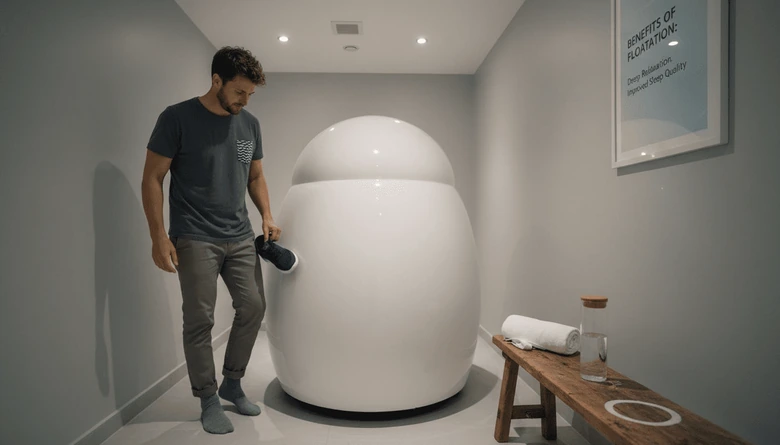
Many Cheshire professionals know the frustration of tossing and turning through restless nights. With daily stress disrupting healthy sleep, finding an effective solution can feel elusive. Floatation therapy offers a science-backed pathway to restore balance, helping to reduce stress and support better sleep. Drawing from recent research, this article uncovers how sensory deprivation techniques such as flotation-REST may improve sleep patterns and inner calm for those seeking a holistic wellness approach.

Table of Contents

Key Takeaways

PointDetails
Impact on Sleep QualityFloatation therapy significantly reduces stress and improves sleep outcomes by lowering cortisol levels and promoting relaxation.
Types of TechniquesVarious sensory deprivation techniques, including Flotation-REST and Chamber-REST, offer unique benefits for relaxation and meditative states.
Optimal SchedulingFor best results, schedule floatation sessions in the early evening and consider 1-3 sessions per month to maintain relaxation.
Health ConsiderationsBefore engaging in floatation therapy, consult a healthcare professional to evaluate individual suitability based on health conditions.

Floatation therapy and sleep quality

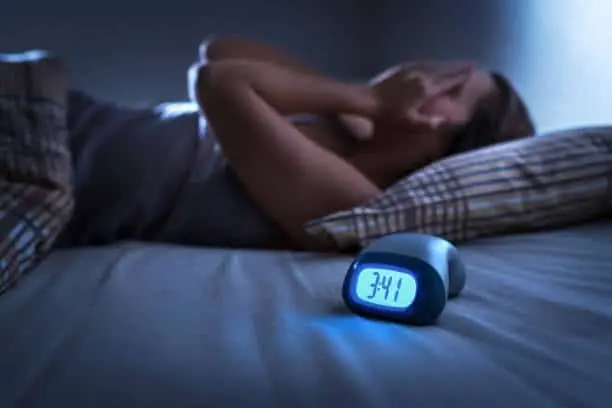
Understanding the intricate relationship between floatation therapy and sleep quality reveals fascinating neurological insights. Modern professionals experiencing chronic stress and sleep disruptions are increasingly turning to sensory deprivation techniques as a potential solution for improving rest and recovery.

Recent scientific research has demonstrated compelling connections between floatation therapy and sleep improvements. Systematic studies on flotation-REST highlight promising findings about stress reduction and potential sleep benefits. The primary mechanisms involve several key physiological processes:

  • Dramatic reduction in cortisol levels
  • Significant decrease in muscle tension
  • Enhanced parasympathetic nervous system activation
  • Increased production of theta brain waves associated with deep relaxation

Moreover, clinical observations suggest that individuals experiencing sleep-onset insomnia might particularly benefit from flotation therapy. Research investigating insomnia symptoms indicates potential improvements in sleep latency and overall sleep quality after consistent flotation sessions.

The neurological impact of floatation therapy extends beyond immediate relaxation. By creating an environment of minimal sensory input, these sessions allow the brain to enter a unique state of calm, potentially resetting disrupted sleep patterns. Professional athletes, high-stress executives, and individuals with chronic pain have reported significant improvements in sleep duration and quality.

Pro tip: Consider scheduling your first floatation therapy session in the early evening to optimise the relaxation effects and potential sleep benefits.

Types of floatation and sensory deprivation

Sensory deprivation represents a fascinating spectrum of therapeutic techniques designed to minimise external stimuli and promote profound relaxation. Exploring scientific research on flotation environments reveals multiple sophisticated approaches to reducing sensory input and inducing unique neurological states.

The primary types of floatation and sensory deprivation techniques include:

  • Flotation-REST (Restricted Environmental Stimulation Technique): Using specialised float tanks with high-salinity water
  • Chamber-REST: Enclosed environments that limit external sensory interactions
  • Darkroom Meditation: Complete visual isolation techniques
  • Anechoic Chambers: Environments eliminating sound and acoustic stimulation

Float tanks represent the most popular modern approach to sensory deprivation. Clinical research on float tank methodologies demonstrates how these environments systematically target multiple sensory channels, including visual, auditory, tactile, and gravitational stimuli.

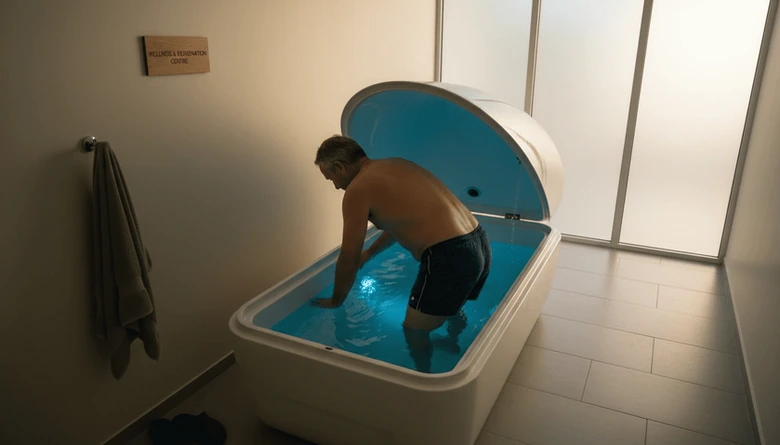
Each floatation technique offers unique benefits by creating controlled environments that dramatically reduce external sensory input. Professional-grade float tanks typically use body-temperature water saturated with Epsom salts, enabling effortless floating and creating a weightless, immersive experience that encourages deep neurological relaxation.

Here is a comparison of the primary sensory deprivation techniques and their distinctive features:

TechniqueMain Sensory Inputs ReducedTypical Use EnvironmentBest Suited For
Flotation-RESTSound, light, touch, gravitySaline float tankStress reduction, relaxation
Chamber-RESTAuditory, visual, tactileEnclosed chamberDeep meditative states
Darkroom MeditationVisual onlyLight-proof roomExperienced meditators
Anechoic ChamberAuditorySound-absorbing chamberAcoustic research, relaxation

Pro tip: When exploring sensory deprivation, start with shorter 30-minute sessions to gradually acclimate your body and mind to the unique sensory reduction experience.

How floatation improves sleep outcomes

Sleep architecture represents a complex neurological process that can be significantly enhanced through targeted therapeutic interventions like floatation therapy. Research on recovery programme integration demonstrates remarkable improvements in perceived sleep quality and physiological restoration.

Floatation therapy impacts sleep outcomes through multiple sophisticated mechanisms:

  • Dramatic reduction of cortisol (stress hormone) levels
  • Activation of parasympathetic nervous system
  • Decreased muscle tension and physical fatigue
  • Enhanced production of melatonin
  • Reduction of overall neurological stimulation

The profound neurochemical reset achieved during floatation sessions creates an optimal environment for improved sleep patterns. By systematically reducing external stimuli and promoting deep relaxation, float therapy helps recalibrate the body’s natural sleep-wake cycles, addressing underlying stress and physiological tension that typically disrupt healthy sleep.

Athlete journaling post floatation therapy session

Professional athletes and high-stress professionals particularly benefit from floatation’s ability to interrupt chronic stress cycles. The weightless environment allows complete muscular relaxation, triggering a cascade of neurological responses that promote deeper, more restorative sleep patterns. This holistic approach addresses both psychological and physiological barriers to quality rest.

Pro tip: Schedule your floatation session 2-3 hours before your intended bedtime to maximise the relaxation response and sleep benefits.

Magnesium, stress and physiological effects

Magnesium plays a crucial role in human physiological stress responses, serving as a critical mineral for neurological and muscular functioning. Exploring transdermal magnesium absorption reveals fascinating insights into how floatation therapy might enhance mineral uptake and stress reduction.

The key physiological mechanisms of magnesium in stress management include:

  • Regulation of neurotransmitter function
  • Modulation of the hypothalamic-pituitary-adrenal (HPA) axis
  • Reduction of cortisol production
  • Suppression of inflammatory responses
  • Enhancement of cellular energy metabolism

During floatation therapy, the high concentration of Epsom salts (magnesium sulphate) creates a unique environment for potential mineral absorption. While direct skin absorption remains scientifically debated, the therapeutic effects of magnesium extend far beyond simple mineral uptake. The weightless, low-stimulus environment allows the body to enter a profound state of relaxation, potentially amplifying magnesium’s stress-mitigating properties.

Infographic on floatation therapy and sleep quality

Professional athletes and high-stress professionals can particularly benefit from understanding magnesium’s role in physiological recovery. The mineral acts as a natural muscle relaxant, helping to interrupt chronic stress cycles and promote more efficient neurological recovery. By reducing muscle tension and supporting nervous system regulation, magnesium becomes a critical component in holistic stress management strategies.

Pro tip: Consider consulting a healthcare professional about your magnesium levels, as individual absorption and requirements can vary significantly.

Risks, limitations and contraindications

Floatation therapy, while generally safe, requires careful consideration of individual health circumstances and potential physiological limitations. Clinical research on flotation safety highlights the importance of comprehensive medical screening before engaging in sensory deprivation experiences.

Absolute contraindications for floatation therapy include:

  • Uncontrolled epilepsy
  • Severe cardiovascular conditions
  • Active psychiatric disorders
  • Pregnancy
  • Open wounds or active skin infections
  • Severe claustrophobia
  • Untreated kidney diseases
  • Recent surgical procedures

Potential risks associated with floatation therapy extend beyond direct medical contraindications. Comprehensive health screening reveals potential challenges such as skin irritation from high-salinity water, temporary disorientation, and psychological discomfort for individuals unaccustomed to sensory deprivation environments.

Professional healthcare providers recommend a thorough medical consultation before initiating floatation therapy. While the majority of participants experience minimal adverse effects, individual tolerance varies significantly. Factors like personal medical history, psychological profile, and current health status play crucial roles in determining suitability for this therapeutic intervention.

Pro tip: Always disclose your complete medical history and current health conditions to float therapy professionals before your first session.

Practical use: session timing and frequency

Floatation therapy requires strategic planning to maximise therapeutic benefits and integrate seamlessly into personal wellness routines. Comprehensive user surveys on flotation practices reveal nuanced insights into optimal session management for professionals and wellness enthusiasts.

Typical floatation session parameters generally include:

  • Standard session duration: 30-60 minutes
  • Extended sessions: Up to 90 minutes
  • Recommended frequency: 1-3 times per month
  • Ideal timing: Early evening or weekend slots
  • Recommended preparation: Light meal 2 hours before session

Professional athletes, high-stress executives, and individuals managing chronic stress might benefit from more frequent interventions. The neurological and physiological reset achieved through floatation therapy suggests that consistent practice can yield cumulative relaxation and sleep improvement benefits. Individual responses vary, making personalised scheduling crucial for optimal outcomes.

The optimal session frequency depends on individual stress levels, health objectives, and lifestyle constraints. Some participants report significant improvements with monthly sessions, while others require more frequent interventions to maintain neurological balance. Professional consultation can help determine the most appropriate floatation therapy schedule tailored to specific wellness goals.

Below is a summary of recommended floatation therapy session planning for optimal benefits:

FactorTypical RecommendationRationale
Session Duration30-60 minutes per sessionGradual acclimatisation, sustained effect
Frequency1-3 times per monthMaintains long-term relaxation
Best TimingEarly eveningPromotes pre-sleep physiological calm
PreparationLight meal 2 hours priorAvoids discomfort, enhances relaxation

Pro tip: Start with shorter, 30-minute sessions and gradually increase duration as you become more comfortable with the sensory deprivation environment.

Enhance Your Sleep Quality with Float Therapy Wilmslow

If you struggle with stress, disrupted sleep or chronic tension, floatation therapy offers a scientifically supported solution to help you reset. As highlighted in recent research, float therapy reduces cortisol levels, muscle tension and promotes deep neurological relaxation which can drastically improve sleep quality and overall well-being. At Float Therapy Wilmslow, we provide exclusive access to high-spec sensory deprivation pods filled with medical-grade Epsom salts designed to immerse you in a weightless, calming environment that supports restorative sleep.

Experience the full benefits by combining float therapy with our advanced contrast therapy suite featuring a high-performance infrared sauna and a cold plunge pool to accelerate recovery and reduce inflammation. Discover why professionals from Wilmslow, Alderley Edge and Greater Manchester choose our centre for holistic wellness and deep relaxation. Ready to overcome sleepless nights and chronic stress? Visit Float Therapy Wilmslow today to book your session and start your journey to quality sleep and mental calm. Learn more about our therapies at Float Therapy Wilmslow and embrace a wellness routine designed for lasting results.

Frequently Asked Questions

What is floatation therapy and how does it work?

Floatation therapy, also known as Restricted Environmental Stimulation Technique (REST), involves lying in a float tank filled with high-salinity water. This environment significantly reduces sensory input, promoting deep relaxation and potentially improving sleep quality through stress reduction and muscle relaxation.

How does floatation therapy improve sleep quality?

Floatation therapy enhances sleep quality by decreasing cortisol levels, activating the parasympathetic nervous system, and promoting the production of melatonin. The profound relaxation experienced during flotation helps reset disrupted sleep patterns and improves overall sleep architecture.

Are there any risks or contraindications associated with floatation therapy?

Yes, there are some contraindications for floatation therapy. Individuals with uncontrolled epilepsy, severe cardiovascular conditions, active psychiatric disorders, pregnancy, or open wounds should avoid floatation therapy. It’s advisable to consult with a healthcare professional before using this therapy.

How often should I schedule floatation therapy sessions for optimal benefits?

For optimal benefits, it’s typically recommended to schedule floatation therapy sessions 1-3 times per month. Beginners may start with shorter 30-minute sessions and increase duration as they become more accustomed to the experience.

Share the Post:

Discover more from Float Therapy Wilmslow

Subscribe now to keep reading and get access to the full archive.

Continue reading