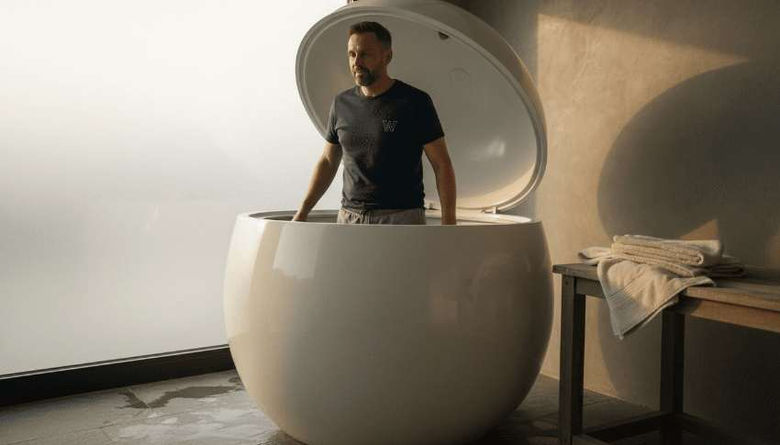
Stress and physical fatigue can linger longer than expected, no matter how dedicated you are to training or climbing the career ladder in Greater Manchester. Floating therapy offers a unique chance to reset, but a truly transformative session begins with purposeful planning and mindful preparation. By focusing on mental openness and a relaxed approach , you set a powerful foundation for deeper recovery, real stress relief, and lasting mental clarity.
Quick Summary
| Key Point | Explanation |
|---|---|
| 1\. Proper hydration is essential | Drink at least 500ml of water before your session to enhance comfort and avoid cramps during floating. |
| 2\. Create a relaxing pre-session routine | Engage in light meals and meditation before floating to prepare your body and mind for the experience. |
| 3\. Focus on gradual entry into the pod | Move slowly and find a comfortable position to facilitate relaxation and maximise the benefits of floating. |
| 4\. Reflect and integrate after your session | Use journaling and mindful breathing to process emotions and thoughts born from your float therapy, enhancing personal growth. |
| 5\. Develop a consistent post-float ritual | Establish a routine that includes quiet reflection and gentle movement to anchor the relaxation you’ve achieved. |
Step 1: Plan your float therapy session in advance
Preparing effectively for your float therapy session can transform an ordinary experience into a deeply restorative journey. Strategic planning ensures you maximise the mental and physical benefits of sensory deprivation, setting the stage for profound relaxation and recovery.
To optimise your float experience, consider these key preparation strategies:
- Hydrate thoroughly before your session, drinking at least 500ml of water in the two hours preceding your appointment
- Avoid caffeine for 3-4 hours before floating to prevent stimulation and restlessness
- Eat a light meal 60-90 minutes prior to your session, avoiding heavy or greasy foods
- Arrive 15-20 minutes early to complete paperwork and transition into a calm mental state
Navigating your first sensory deprivation experience requires careful pre-session planning. The more intentionally you prepare, the more profound your float therapy outcomes will become. Consider your mental state, physical readiness, and create a seamless transition into the float tank environment.
Professional athletes and high-performance professionals often use float therapy as a strategic recovery method, treating it like any other crucial training intervention.
_Expert advice:_ _Wear comfortable, loose clothing that will be easy to change into and out of after your float session to maintain your relaxed state._
To further support your planning, here’s a summary comparing how preparation strategies affect your float therapy outcomes:
| Preparation Focus | Impact on Experience | Common Mistakes |
|---|---|---|
| Hydration | Enhances comfort, prevents cramping | Arriving dehydrated |
| Nutrition | Maintains energy, reduces distraction | Eating heavy meals |
| Timing & Mindset | Reduces stress, aids relaxation | Arriving rushed |
| Attire | Maintains post-float relaxation | Wearing restrictive clothes |
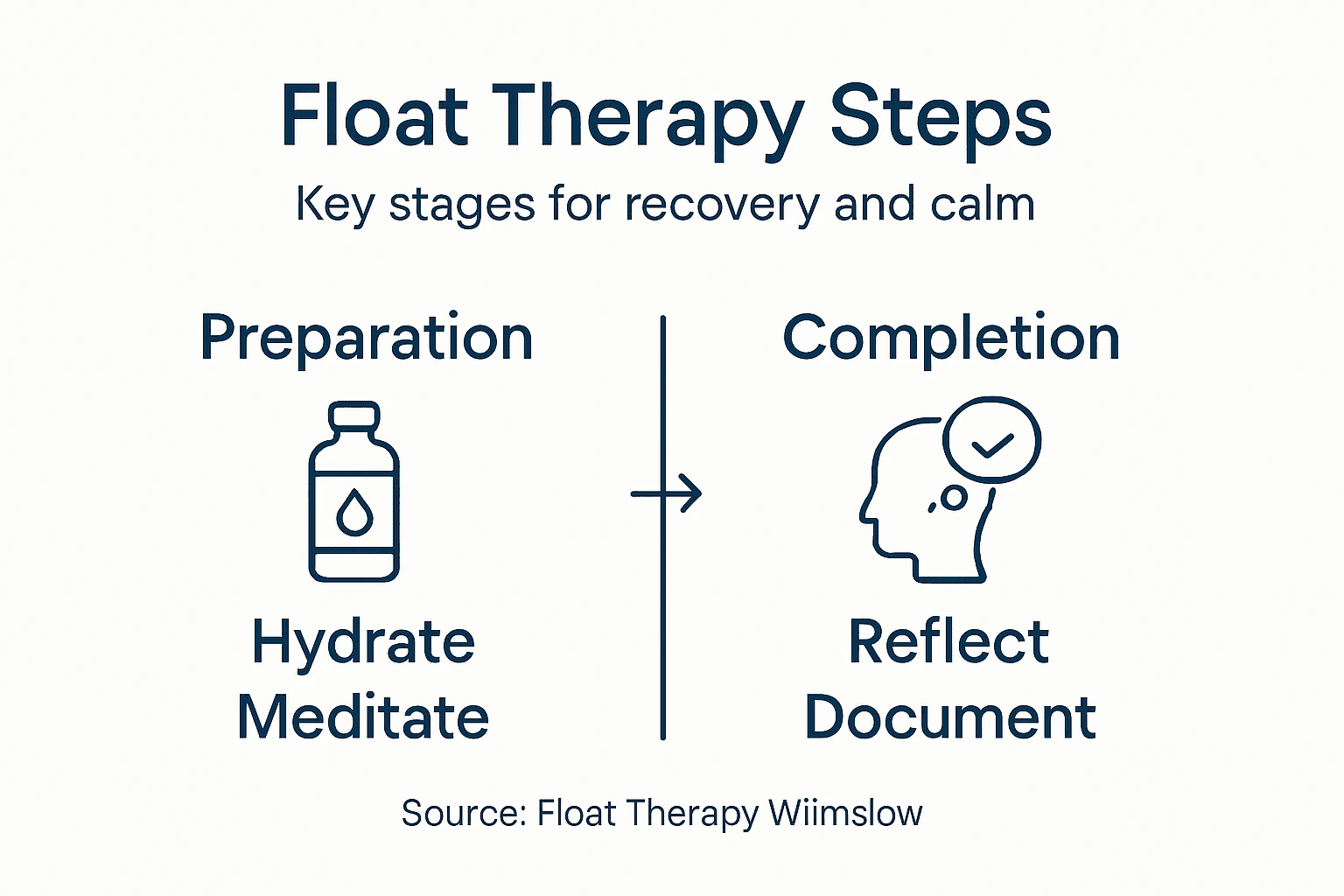
Step 2: Prepare your body and mind for floating
Successfully preparing for a float therapy session involves holistic preparation of both physical and mental states. Your approach can significantly enhance the therapeutic potential of your sensory deprivation experience.
Key physical and mental preparation strategies include:
- Use the toilet before entering the float tank to avoid disruptions
- Shower thoroughly to remove oils and skin products
- Insert provided earplugs to prevent saltwater ingress
- Apply protective barriers like Vaseline on small cuts
Floatation preparation guidelines recommend a methodical approach to entering the float environment. Understanding how to position your body and manage potential sensations will help you relax more quickly and deeply.
Floating requires mental openness and a willingness to surrender to the experience, treating it as a practice of mindful surrender rather than a performance.
- Start with gentle, relaxed breathing
- Allow your body to naturally find its most comfortable position
- Avoid touching your face to prevent salt irritation
- Focus on releasing muscular tension progressively
_Professional recommendation:_ _Practice a short meditation or deep breathing exercise immediately before your float to centre your mind and enhance your body’s receptivity to the experience._
<https://www.youtube.com/embed/KeruO5AC7ec>
Step 3: Settle into the sensory deprivation pod
Entering the sensory deprivation pod requires a deliberate and mindful approach, transforming what might initially feel unfamiliar into a deeply restorative experience. Your initial movements and positioning will significantly impact your overall float session comfort and effectiveness.
When entering the pod, focus on these key strategies:
- Move slowly and deliberately to maintain balance
- Position yourself centrally in the tank
- Allow your arms to rest naturally at your sides
- Relax your neck and head to reduce initial tension
Sensory deprivation pod guidelines emphasise the importance of understanding the unique buoyancy created by high-concentration Epsom salts. The saltwater will effortlessly support your body, creating a weightless sensation that might feel strange initially.
The goal is not to control the experience, but to surrender to the profound stillness and allow your body to fully relax.
To optimise your pod experience:
- Take three deep, intentional breaths upon entering
- Gently explore your body’s natural floating position
- Find a head and neck placement that feels most comfortable
- Let go of any muscular resistance
_Professional tip:_ _If you feel any initial discomfort, make small, gentle adjustments until you find a position that allows complete physical relaxation._
Step 4: Optimise your float experience for best results
Maximising the transformative potential of float therapy extends far beyond the moment you step out of the sensory deprivation pod. The true magic lies in how you integrate and process the profound experience you’ve just undergone, turning a simple session into a powerful tool for personal growth and recovery.
Key strategies for post-float integration include:
- Journal your immediate thoughts and sensations
- Engage in gentle movement like stretching or walking
- Avoid intense digital stimulation for at least an hour
- Hydrate with room temperature water
- Practice mindful breathing to sustain the relaxed state
Post-float integration techniques reveal that conscious reflection and gentle transition are crucial for maintaining the therapeutic benefits. Your body and mind have just experienced deep relaxation, and how you reintegrate matters immensely.
The moments after your float are as important as the float itself - treat them with the same intentionality and care.
To truly optimise your experience:
- Listen to soft, calming music
- Avoid making significant decisions immediately
- Allow yourself to feel and process any emerging emotions
- Remain in a low-stimulation environment
_Professional recommendation:_ _Create a personal ritual of slow, deliberate movement and quiet reflection in the hour following your float to anchor the profound sense of calm and reset you’ve just experienced._

Step 5: Complete your session and reflect on outcomes
As you conclude your float therapy session, the final moments offer a crucial opportunity to integrate your experience and transform a physical practice into a profound personal journey of self-discovery and recovery. This reflective phase is where the true therapeutic magic happens, bridging your internal experience with your everyday life.
To effectively complete and process your float session, consider these key reflection strategies:
- Document your immediate sensations in a dedicated journal
- Track physical and mental changes you notice
- Notice subtle shifts in your body and thought patterns
- Identify areas of tension that may have released
- Observe your emotional landscape post-float
Float therapy insights suggest that conscious reflection can significantly enhance the long-term benefits of your sensory deprivation experience. Each float is a unique journey, and understanding your personal response is key to continued growth.
Your post-float reflections are not merely an afterthought, but an integral part of your holistic wellness practice.
Reflection process steps:
- Sit quietly for 5-10 minutes after your session
- Take slow, deep breaths
- Mentally scan your body for changes
- Write down any significant insights or feelings
_Professional recommendation:_ _Create a consistent post-float ritual that allows you to transition mindfully and capture the nuanced insights emerging from your deep relaxation state._
For a clearer understanding, this table contrasts pre- and post-float practices for best results:
| Stage | Main Goal | Example Practice |
|---|---|---|
| Pre-float | Prepare body and mind | Deep breathing or meditation |
| During float | Optimise physical comfort | Gentle position adjustments |
| Post-float | Sustain relaxation, reflect | Journalling insights |
| Long-term | Track benefits | Regular outcome review |
Unlock Profound Recovery and Calm with Expert Float Therapy in Wilmslow
If you have been seeking a way to overcome stress, chronic pain or mental fatigue, this article on “How to Use Float Therapy for Deep Recovery and Calm” highlights the crucial steps needed to prepare your body and mind for this transformative experience. Whether it is learning to surrender in the sensory deprivation pod or integrating your session through mindful reflection, these insights reveal how intentional preparation maximises relaxation and healing.
At Float Therapy Wilmslow, we provide a premium sanctuary designed specifically to address these challenges. Using high-specification sensory deprivation pods filled with medical-grade Epsom salts, alongside our advanced contrast therapy suite featuring infrared saunas and cold plunge pools, we create a holistic environment that accelerates recovery and calms the mind. Our private rooms and dedicated relaxation lounge support your journey from your first step into a float pod to the crucial reflection and integration phase.
Discover how to elevate your approach to deep rest and healing by exploring our advanced float therapy offerings and learn practical preparation and recovery techniques on our post-float integration guide. Ready to prioritise your wellbeing and experience the full benefits of float therapy now Visit Float Therapy Wilmslow to book your personalised session and begin your path towards true restoration today.
Frequently Asked Questions
How should I prepare for my float therapy session?
Prepare for your float therapy session by hydrating thoroughly, avoiding caffeine, and eating a light meal 60–90 minutes prior. Arrive 15–20 minutes early to complete necessary paperwork and mentally transition into relaxation.
What physical and mental preparations are recommended before floating?
Before your float, use the toilet and shower to remove oils and products, and insert earplugs to protect against saltwater. Practise relaxed breathing and allow your body to assume a comfortable position once inside the pod.
What steps can I take to optimise my float experience?
To optimise your float experience, move slowly when entering the pod and allow your arms to rest naturally. Focus on deep, intentional breaths to help facilitate relaxation and surrender to the float without trying to control the experience.
How can I reflect on my float therapy session afterwards?
After your float, take time to sit quietly and document your immediate sensations and any changes in your body or mind. Establish a consistent post-float ritual that allows you to transition mindfully and capture any insights you’ve gained.
What should I do in the hour after my float session?
In the hour following your float, avoid intense digital stimulation and engage in gentle movement like stretching or walking. Hydrate with room temperature water and practise mindful breathing to maintain the relaxed state achieved during your float.