
Long working days in Greater Manchester can leave minds racing and bodies feeling worn out. For many health-conscious professionals, finding real stress relief takes more than a quick meditation or a gym session. Float therapy offers a controlled environment where external noise fades and the brain experiences a unique state of deep recalibration. By harnessing the power of sensory input reduction , float therapy supports mental clarity and emotional balance, guiding you toward focused calm and renewed energy.
Key Takeaways
| Point | Details |
|---|---|
| Neurological Adaptation | Sensory deprivation promotes neural plasticity and cognitive recalibration through controlled reduction of sensory input. |
| Float Therapy Benefits | Float therapy offers unique advantages over traditional recovery methods, including complete sensory isolation and substantial stress reduction. |
| Safety Considerations | Participants should consult healthcare providers regarding pre-existing conditions to ensure a safe float therapy experience. |
| Emerging Technologies | Advanced float pod technologies enhance the user experience through precise environmental controls and personalisation features. |
Sensory Deprivation: Core Principles Explained
Sensory deprivation represents a sophisticated neurological intervention designed to minimise external stimuli and induce profound psychological transformation. By systematically reducing environmental inputs, this technique creates a unique neurological experience that enables deep mental recalibration.
The core principles of sensory deprivation fundamentally revolve around neural plasticity and cognitive recalibration. Neurobiological adaptations occur through strategically controlled reduction of sensory information, triggering remarkable physiological responses:
- Neurotransmitter system modifications
- Potential neuroinflammation regulation
- Structural brain state transformation
- Enhanced emotional regulation mechanisms
Understanding sensory deprivation requires recognising its dual nature. Unlike traditional perception, this intervention represents a controlled environment where participants voluntarily reduce external stimuli. Sensory input reduction impacts multiple perceptual modalities, including vision, hearing, touch, and proprioception.
The psychological journey through sensory deprivation involves several distinct phases. Initially, participants might experience mild stress or confusion as the brain adjusts to reduced environmental information. Subsequent stages involve neurological adaptation, where cognitive processes recalibrate to the minimalist sensory landscape.
Key Neurological Observations:
- Short-term controlled deprivation promotes relaxation
- Individual responses vary based on psychological baseline
- Duration and voluntariness significantly impact outcomes
- Potential therapeutic applications for emotional regulation
_Pro tip:_ _Begin your sensory deprivation experience with an open mindset, understanding that initial discomfort is a natural part of neurological recalibration._
Float Therapy Variations and Pod Technology
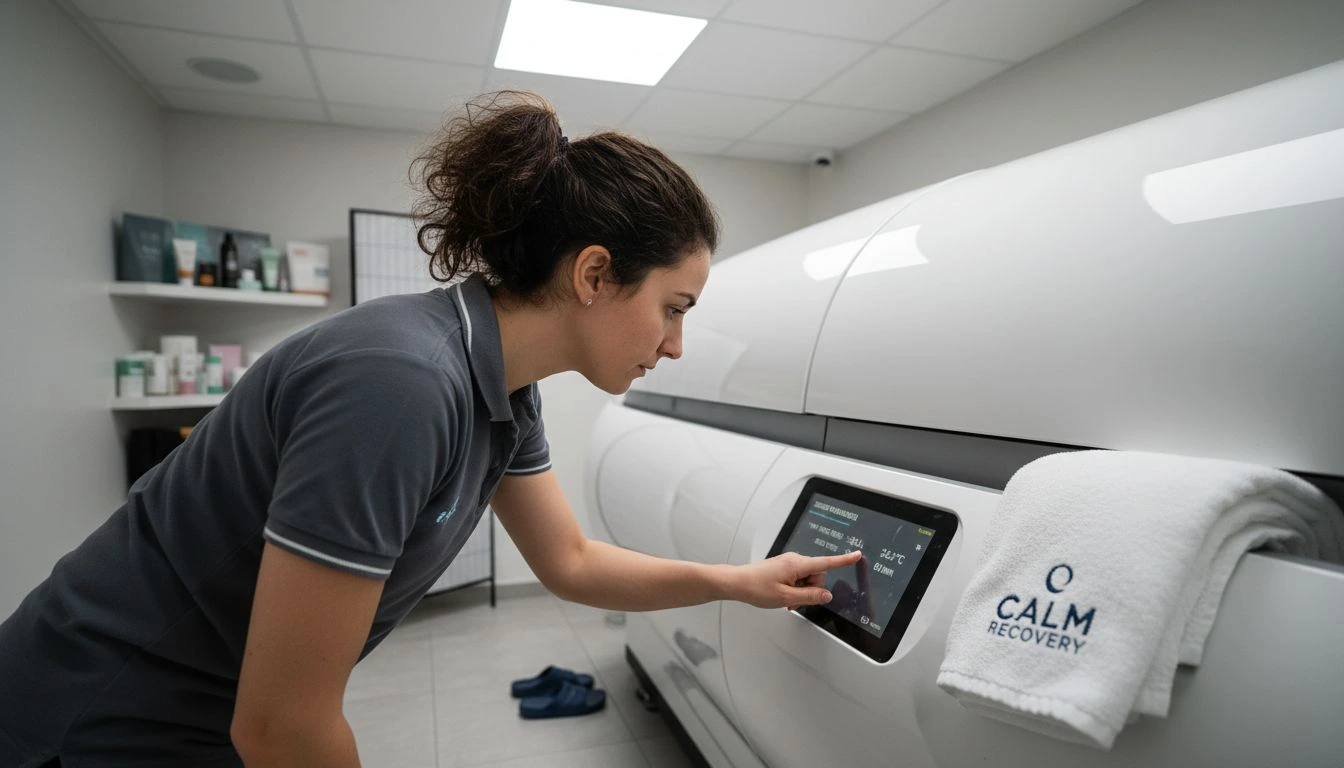
Float therapy represents a sophisticated approach to mental and physical restoration, with innovative pod technologies continuously evolving to enhance user experience. Flotation-REST technology has emerged as a groundbreaking method for sensory minimisation and deep relaxation.
Modern float pods incorporate advanced features designed to create an optimal therapeutic environment. These sophisticated chambers are engineered with precision to support multiple wellness objectives:
- Precise water temperature control
- Advanced noise reduction systems
- Customisable lighting configurations
- Ergonomic interior design
- High-performance filtration technology
Key Technological Components play a crucial role in creating an immersive float experience. The pods are typically constructed with medical-grade materials, featuring soundproofing capabilities and precise environmental controls. Saltwater concentration is carefully calibrated to ensure maximum buoyancy, allowing participants to achieve complete weightlessness.
Contemporary float therapy variations extend beyond traditional sensory deprivation, targeting specific wellness outcomes. Research identifies nine distinct application areas, including:
- Pain management techniques
- Athletic performance enhancement
- Stress reduction protocols
- Clinical anxiety interventions
- Neurological restoration
Modern float pods represent the intersection of cutting-edge technology and holistic wellness, creating a controlled environment for profound psychological and physiological transformation.
Emerging Technologies in Float Therapy:
- Integrated biometric monitoring systems
- Personalised audio-visual programming
- Smart environmental adaptation mechanisms
- Digital session tracking and analytics
_Pro tip:_ _When selecting a float therapy centre, prioritise facilities with technologically advanced pods that offer comprehensive environmental control and personalised wellness features._
How Float Therapy Enhances Mental Clarity
Mental clarity represents a profound psychological state characterised by exceptional cognitive function, emotional regulation, and focused awareness. Neurophysiological research demonstrates that float therapy offers a transformative pathway to achieving this optimal mental condition by creating a unique environment for psychological restoration.
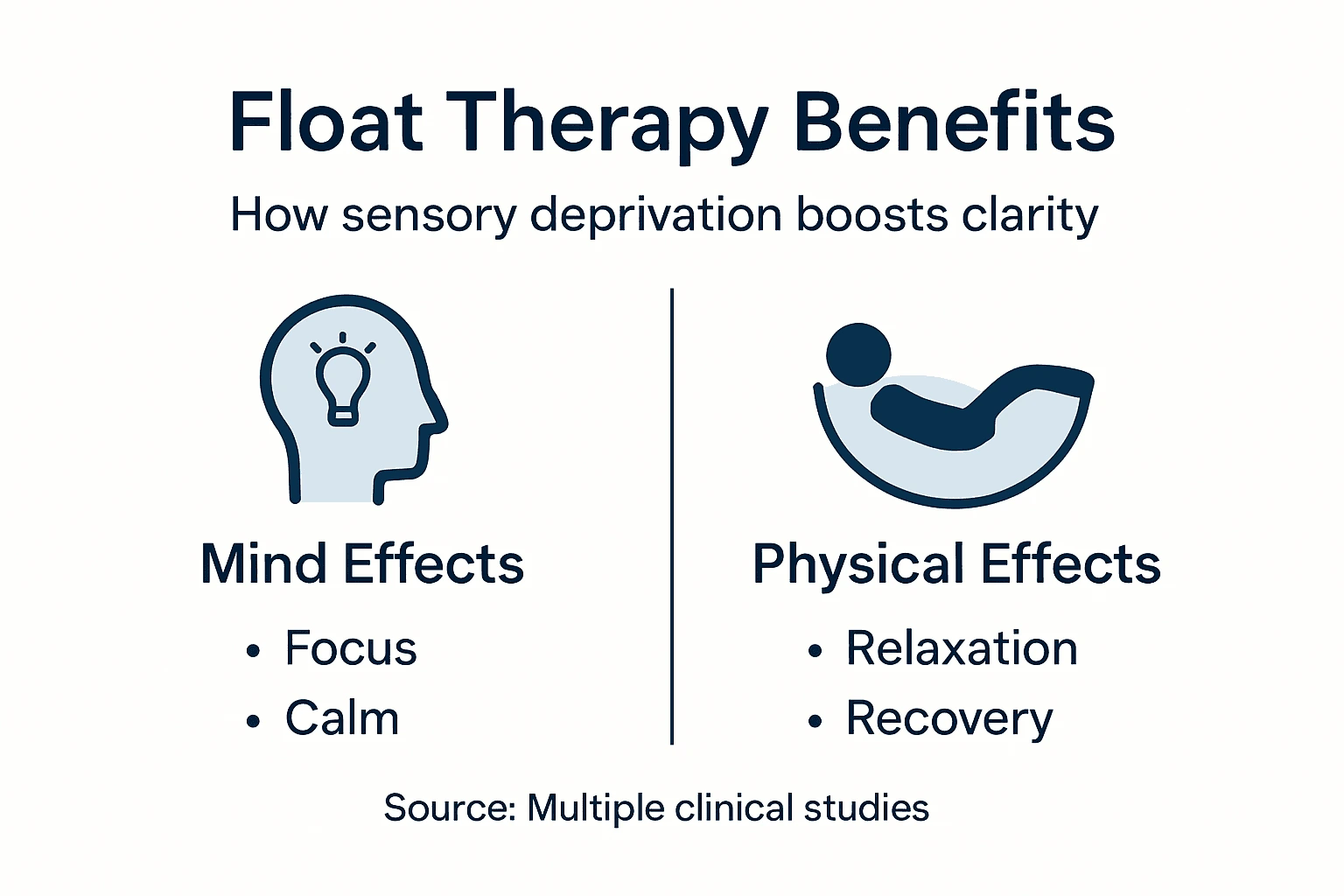
The mechanisms behind mental clarity through float therapy are multifaceted and scientifically substantiated. Float sessions systematically reduce psychological and physiological stress by creating a controlled environment that minimises external stimuli:
- Dramatic reduction in cortisol levels
- Increased endorphin and dopamine production
- Activation of deep meditative brain states
- Elimination of sensory overload
- Promotion of neuroplasticity
Neurological Transformation occurs through precise physiological mechanisms. By inducing theta wave states typically associated with deep meditation, float therapy enables participants to access heightened cognitive states that are challenging to achieve through traditional relaxation techniques. Brain state modifications support improved problem-solving, creativity, and focused concentration.
Float therapy represents a scientifically validated method for resetting neural pathways and achieving unprecedented mental clarity.
Cognitive Benefits of Regular Float Sessions:
- Enhanced problem-solving capabilities
- Improved emotional regulation
- Reduced anxiety and stress levels
- Increased creative thinking
- Better overall cognitive performance
Emerging Research Insights:
- Neurochemical balance restoration
- Improved brain wave synchronisation
- Enhanced neuroplasticity
- Accelerated cognitive recovery
_Pro tip:_ _Commit to a consistent float therapy schedule, aiming for at least two to three sessions per month to experience sustained improvements in mental clarity and cognitive function._
Safety, Contraindications, and Common Misconceptions
Float therapy represents a sophisticated wellness intervention that demands careful understanding of its potential risks and benefits. While overwhelmingly safe, certain medical conditions and individual circumstances require thoughtful consideration before participating in a float session.
Key Safety Considerations encompass multiple health dimensions for potential participants:
- Individuals with severe epilepsy
- Those experiencing open wounds or skin infections
- People with uncontrolled cardiovascular conditions
- Individuals with extreme claustrophobia
- Pregnant women in high-risk categories
Common misconceptions about float therapy often stem from limited understanding of the actual experience. Many individuals incorrectly assume that float sessions are uncomfortable or psychologically challenging. In reality, professional float centres design environments to maximise comfort and minimise potential anxiety:
- Pods have emergency exit mechanisms
- Sessions can be terminated at any moment
- Lighting and music can be personalised
- Trained staff provide comprehensive support
- First-time participants receive thorough orientation
Float therapy is a controlled, safe therapeutic intervention when conducted by trained professionals with appropriate medical screening.
Potential Contraindications:
- Untreated mental health conditions
- Recent surgical procedures
- Infectious diseases
- Severe inner ear complications
- Unmanaged chronic pain syndromes
Addressing Common Fears:
- Flotation is voluntary and participant-controlled
- Medical-grade sanitisation protocols
- Comprehensive health screening processes
- Individual comfort remains paramount
_Pro tip:_ _Always consult with your healthcare provider and discuss your specific medical history before scheduling your first float therapy session to ensure optimal safety and comfort._
Here is a summary of essential safety considerations and participant guidance for float therapy:
| Safety Aspect | Key Recommendation | Importance |
|---|---|---|
| Medical Screening | Consult healthcare provider | Ensures safe participation |
| Pre-existing Conditions | Reschedule if ill or injured | Prevents adverse reactions |
| Environment Control | Customise light and sound | Increases comfort and ease |
| Staff Support | Seek professional assistance | Reduces participant anxiety |
Comparing Float Therapy to Alternative Recovery Methods
Float therapy represents a unique approach to physical and mental recovery, distinguished by its innovative combination of sensory isolation and physiological restoration. Comparative research reveals distinct strengths that make it a powerful complement to other recovery methods, massage included.
Compared to conventional recovery methods, float therapy offers unique characteristics:
- Complete sensory isolation
- Zero-gravity physical environment
- Precise physiological stress reduction
- Neurochemical reset capabilities
- Non-invasive intervention strategy
Float therapy complements other recovery approaches, each of which works in its own way:
- Massage Therapy
- Limited duration of relaxation effects
- Dependent on practitioner skill
- Higher physical intervention level
- Meditation
- Requires significant practice
- External environmental challenges
- Less consistent neurological impact
- Pharmaceutical Interventions
- Potential side effects
- Chemical dependency risks
- Temporary symptom management
Float therapy emerges as a holistic, scientifically supported practice that works beautifully alongside massage and other recovery methods.
Recovery Method Comparative Analysis:
To clarify the differences between float therapy and traditional recovery methods, see this side-by-side comparison:
| Aspect | Float Therapy | Massage Therapy | Meditation |
|---|---|---|---|
| Sensory Input | Complete isolation | Moderate reduction | Variable, often minimal |
| Duration of Effect | Prolonged relaxation | Short-term relief | Dependent on skill level |
| Required Experience | None required | Skilled practitioner | Progressive self-mastery |
| Neurological Impact | Deep recalibration | Mild modulation | Gradual adaptation |
| Accessibility | Widely available | Clinic-based access | Accessible anywhere |
- Physiological stress reduction
- Mental clarity enhancement
- Pain management capabilities
- Neurological reset mechanisms
- Accessibility and user experience
Randomised clinical trials demonstrate float therapy’s value as a recovery technique, with especially encouraging results reported for easing pain and anxiety.
_Pro tip:_ _Consider integrating float therapy as a complementary method alongside existing recovery strategies, recognising its unique neurological and physiological benefits._
Discover Lasting Mental Clarity with Float Therapy Wilmslow
The article highlights the challenge of achieving deep mental clarity amidst daily stress and sensory overload. It emphasises how float therapy facilitates profound cognitive recalibration by reducing cortisol levels and promoting neuroplasticity through sensory deprivation. If you are seeking to overcome mental fatigue, anxiety, and scattered focus, embracing controlled sensory minimisation is essential. At Float Therapy Wilmslow, we understand these specific needs and provide meticulously engineered flotation pods filled with medical-grade Epsom salts to create the perfect environment for your brain to reset.
Experience the transformative power of regular sessions designed to enhance emotional regulation, creativity, and problem-solving abilities. Alongside our premium contrast therapy suite, including a high-performance infrared sauna and cold plunge pool, we offer a holistic approach to mental and physical restoration. Ready to prioritise your mental clarity and wellbeing? Visit Float Therapy Wilmslow today to explore our advanced floatation therapy options and book your first session. Take the first step towards a clearer mind and renewed focus now.
Frequently Asked Questions
What is float therapy and how does it enhance mental clarity?
Float therapy is a method of sensory deprivation that removes external stimuli to create an environment for deep relaxation and mental recalibration. This process promotes mental clarity by reducing stress, regulating emotions, and facilitating neuroplasticity through unique physiological mechanisms.
How often should I participate in float therapy to experience improved mental clarity?
For sustained improvements in mental clarity and cognitive function, it is recommended to commit to a regular float therapy schedule of at least two to three sessions per month.
Are there any risks associated with float therapy?
Float therapy is generally safe, but individuals with severe epilepsy, open wounds, uncontrolled cardiovascular conditions, or extreme claustrophobia should consult a healthcare provider before participating. It is important to ensure suitability for your specific health conditions.
What are the cognitive benefits of float therapy?
Regular float therapy sessions can lead to enhanced problem-solving capabilities, improved emotional regulation, reduced anxiety levels, increased creativity, and better overall cognitive performance.