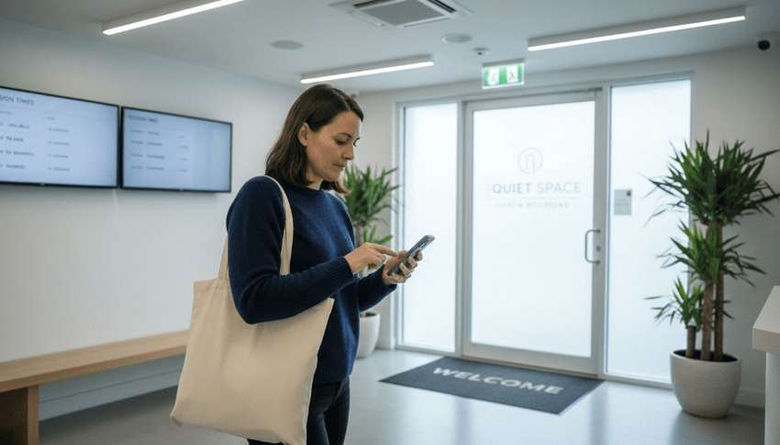
Stress and injuries can linger long after the workday ends, making true recovery feel just out of reach. For busy professionals in Wilmslow and Greater Manchester, finding time for lasting relief requires more than a rushed appointment—it calls for mindful preparation. By focusing on a carefully planned pre-float schedule and thoughtful choices before and after your session, you can turn float therapy into a genuinely restorative escape that rejuvenates body and mind.
Quick Summary
| Key Insight | Explanation |
|---|---|
| 1\. Avoid skin treatments before floating | Refrain from shaving, waxing, or any skin treatments that may cause irritation, as saltwater can exacerbate discomfort. |
| 2\. Hydrate properly prior to your session | Begin hydrating well a day before; this helps enhance relaxation and the therapeutic effects of Epsom salt. |
| 3\. Arrive early to your float appointment | Arriving 15-20 minutes in advance allows your body to transition into relaxation mode and reduces pre-float stress. |
| 4\. Choose comfortable, loose clothing | Wear soft, breathable fabrics to avoid discomfort; tight or restrictive clothing may distract you during the float. |
| 5\. Take time to prepare mentally | Before entering the pod, ensure you are in a relaxed mental state; consider setting a simple intention for the session. |
Step 1: Plan your pre-float schedule mindfully
Your schedule leading up to float therapy is just as important as the session itself. The 24 hours before your float can significantly impact your experience, so thinking through what you do beforehand matters more than you might realise.
Start by avoiding any skin treatments on the day of your float. This includes shaving, waxing, or any other hair removal methods that create micro-abrasions on your skin. When you enter the float pod filled with medical-grade Epsom salt, even tiny cuts or irritated areas will become uncomfortable, turning what should be a blissful experience into one where you’re acutely aware of minor discomfort.
If you’ve had recent treatments, factor in proper timing:
- Tattoos : Wait at least 2 weeks before floating to allow the skin to fully heal and the ink to set properly
- Spray tans : Float 2-3 days after application so the colour settles; saltwater will fade and streak a fresh tan within hours
- Hair treatments : Avoid the 48 hours before floating if you’ve had perms, colour treatments, or keratin straightening
- Waxing or shaving : Schedule these at least 24 hours after your float, not before
Planning around skin treatments ensures the salt won’t irritate fresh treatment sites. The concentrated saltwater is therapeutic for existing skin, but it can aggravate freshly treated or abraded areas.
Think about your workday too. If you finish work at 5pm and float at 6pm, you might still carry tension from your day. Ideally, give yourself at least 30 minutes of lighter activity between a stressful work situation and your float. This could mean a gentle walk, some deep breathing, or simply sitting quietly rather than scrolling through your phone.
Schedule your float when you can arrive without rushing and depart without immediate stress or obligations.
Consider what you’ll do immediately after floating as well. Your mind will be in a deeply relaxed state, and your body will have activated its parasympathetic nervous system. Jumping straight into a busy evening undermines the benefits. Plan for at least 30 minutes of calm time after your session to allow the benefits to integrate properly.
Here’s a quick reference for the ideal float therapy timeline:
| Timeframe | Key Actions | Common Pitfalls |
|---|---|---|
| 24 hours before | Avoid skin treatments and alcohol | Shaving, waxing, or tanning |
| 4 hours before | Stop caffeine intake, light hydration | Drinking coffee or energy drinks |
| 2-3 hours before | Eat a light meal, hydrate moderately | Heavy or greasy meals |
| 15-20 minutes before | Arrive early to acclimatise | Arriving rushed or stressed |
| Immediately after | Calm activity, rehydrate | Rushing to obligations |
_Pro tip:_ _Block out your float time on your calendar the same way you would a client meeting, and communicate to colleagues or family that you’re unavailable during this window—this psychological commitment makes you far less likely to reschedule at the last minute._
Step 2: Select and pack appropriate attire
What you wear to float therapy might seem straightforward, but your clothing choices before and after your session significantly affect your comfort and the quality of your experience. Most people float nude or in minimal swimwear, so planning what to wear to and from the facility matters far more than what you’ll wear inside the pod.
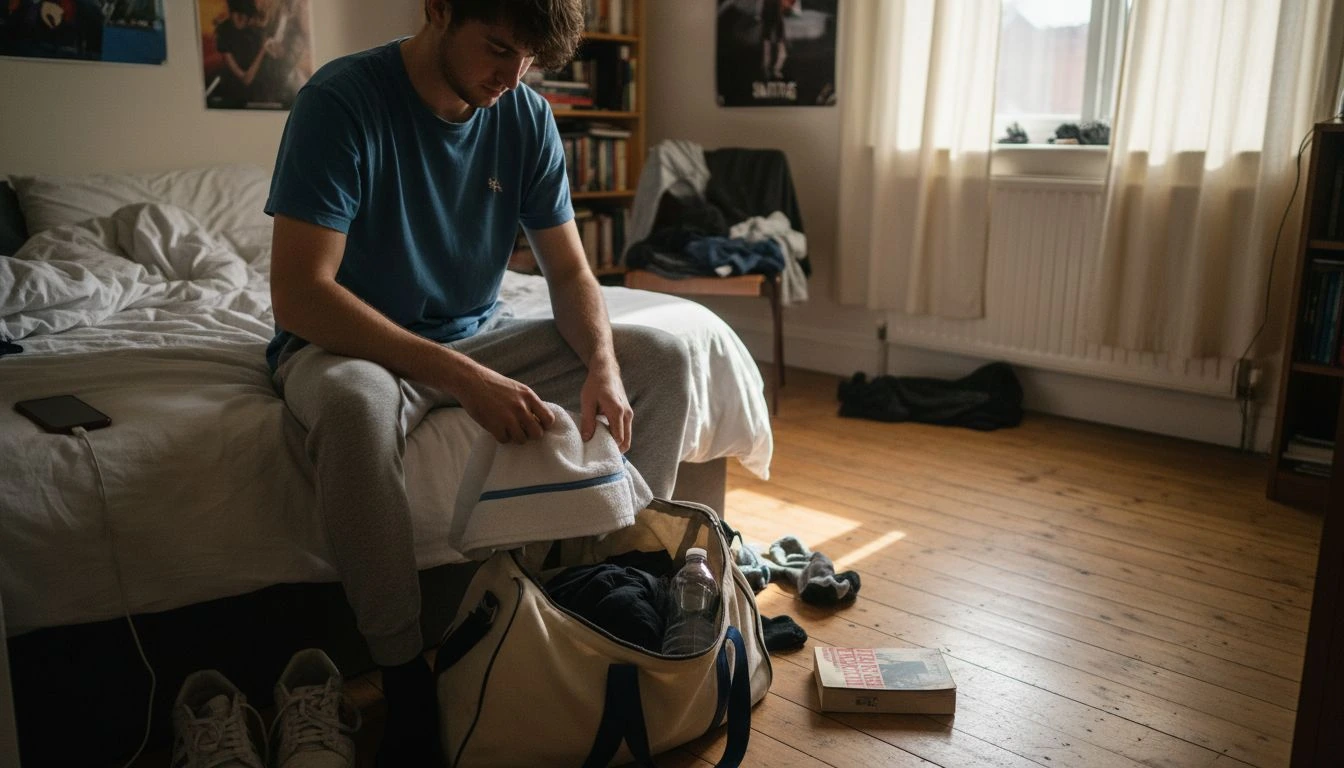
Wear comfortable, loose-fitting clothing to your appointment. You want something that won’t restrict your movement or leave marks on your skin before you float. Tight jeans, structured jackets, or anything with elastic bands that dig in will create pressure points that become distracting once you’re in the salt solution. Opt for soft fabrics like cotton or linen that feel welcoming against your skin.
Consider these practical packing essentials:
- A change of clothes : Pack dry clothing for after your float, as you’ll shower and need something fresh to wear home
- Underwear and socks : Bring clean pairs for after your session; you’ll want to feel completely fresh
- A lightweight robe or cardigan : Useful for moving between the changing area and the float pod
- Flip-flops or slip-on shoes : Easy to remove and put back on without fuss
- A small bag : Keep your belongings organised whilst you float
Bring a towel from home if you prefer your own, though most facilities provide high-quality towels. After floating, your skin will be incredibly soft and your pores open, so using a gentle towel matters. Some people find their own towel gives them extra peace of mind.
Avoid wearing anything with metal components or jewellery to your appointment. Watches, rings, and necklaces won’t go into the pod with you, so leaving them at home or in your locker prevents worry and streamlines your preparation.
Pack your bag the night before so you’re not rushing on the morning of your float.
If you’re planning to head straight back to work or meetings after floating, choose clothes that won’t wrinkle easily or that you don’t mind looking slightly relaxed in. Your hair will be damp, and you might prefer looking naturally undone rather than polished. Many people in Greater Manchester float during lunch breaks or after work specifically because they want that post-float glow without pressure to look sharp.
_Pro tip:_ _Bring a small moisturiser or lip balm in your bag—the saltwater can dry your skin temporarily, and applying a natural moisturiser immediately after showering locks in hydration and extends the benefits of your float._
Step 3: Follow optimal pre-session hydration and diet tips
What you eat and drink in the hours before floating significantly impacts how deeply you relax and how much benefit you gain from the experience. Your body’s response to float therapy depends partly on arriving in an optimal physical state, and hydration and nutrition play crucial roles.
Start hydrating well the day before your float, not just an hour before. Drinking water consistently throughout the day means your cells are properly saturated when you enter the pod. Aim for around 2 litres of water spread across the day, but avoid chugging large amounts right before your appointment. Arriving with a full bladder creates uncomfortable pressure during your session.
Time your meals strategically around your float:
- Light meals only : Eat 2-3 hours before floating; avoid heavy, greasy foods that sit in your stomach
- Skip caffeine : Stop drinking coffee or tea at least 4 hours before your session to avoid mental restlessness
- Avoid alcohol : Alcohol dehydrates you and interferes with the nervous system reset that floating provides
- Skip sugar crashes : Don’t eat sugary snacks right before floating; they cause energy dips mid-session
- Eat something before : Don’t arrive hungry, as low blood sugar can make relaxation difficult
A light meal like a salad, a piece of fruit with nuts, or a small soup works perfectly. You want your digestive system calm and not demanding energy, which pulls you away from full relaxation.
Electrolytes matter too. If you’ve been exercising or sweating heavily before your float, consider a small electrolyte drink. The Epsom salt in the pod is rich in magnesium, which your body absorbs through your skin, but starting well-hydrated amplifies this benefit. Magnesium works best when your body has adequate fluid balance.
Arrive hydrated but not overloaded, fed but not full, and caffeine-free but alert.
Many professionals in Wilmslow schedule floats after lunch or late afternoon. This timing allows a proper meal several hours beforehand without the post-lunch energy dip that affects morning floats. Experiment with your timing to find what suits your body best.
After your float, rehydrate actively. Your skin has absorbed saltwater, and your body will benefit from replenishing fluids. Drink water steadily over the next hour rather than gulping it all at once.
_Pro tip:_ _Keep a bottle of water with electrolytes in your float bag and sip it slowly for 20 minutes after your session—this maximises the magnesium absorption that began in the pod and supports your parasympathetic nervous system’s continued activation._
Below is a comparison of the pre-float and post-float priorities:
| Focus Area | Before Your Float | After Your Float |
|---|---|---|
| Hydration | Gradually increase water | Replenish fluids steadily |
| Skin care | Avoid fresh abrasions | Moisturise to lock hydration |
| Mental state | Create calm, avoid stress | Allow time to integrate |
| Clothing | Choose soft, loose fabrics | Wear comfortable, clean attire |
| Schedule | Block time, avoid rushing | Avoid immediate obligations |
Step 4: Arrive early to acclimatise and relax
Arriving at Float Therapy Wilmslow with time to spare before your session transforms the entire experience. Rushing through the doors five minutes before your appointment creates tension that undermines the whole purpose of floating. Building in a buffer gives your nervous system time to downshift before you even enter the pod.
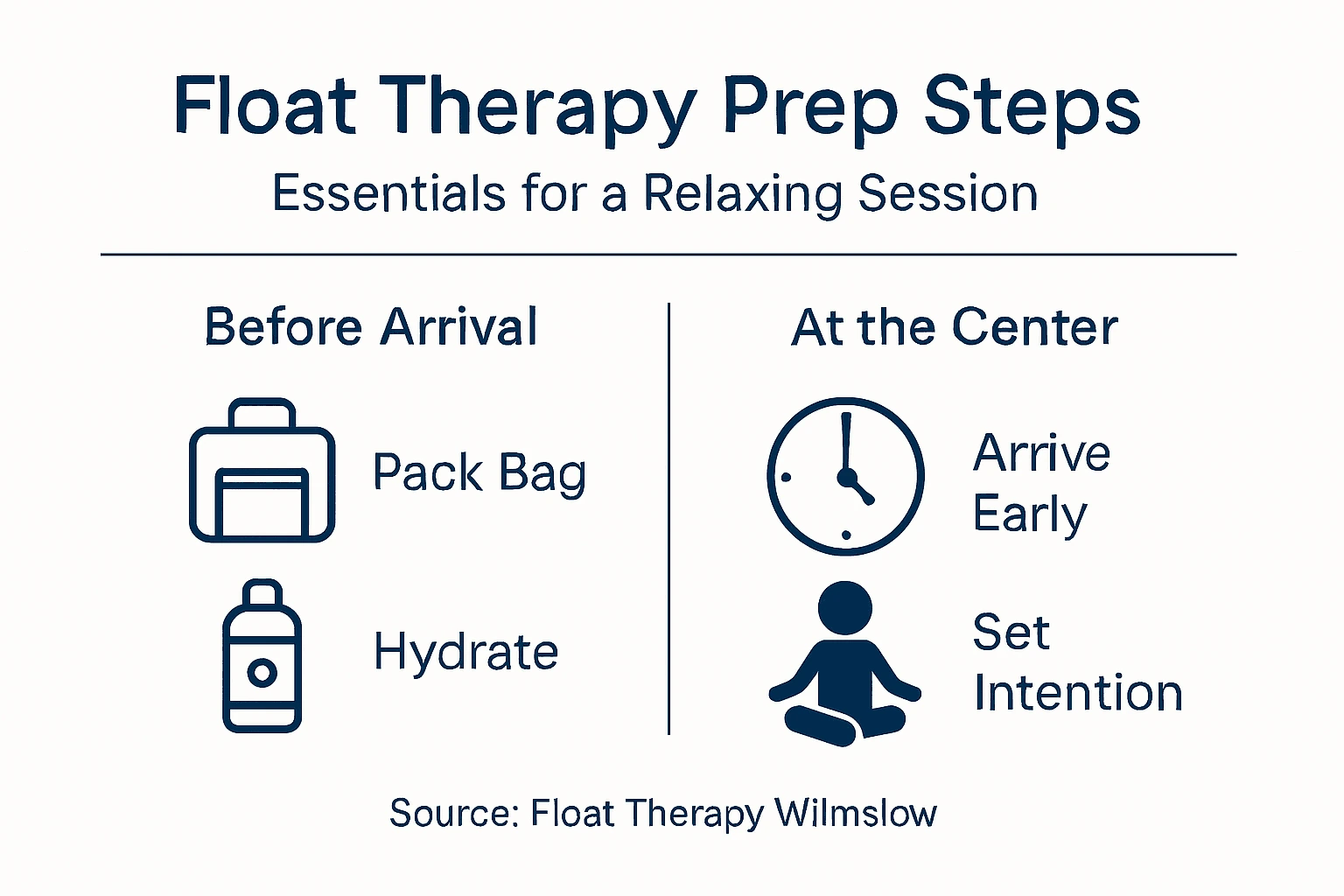
Aim to arrive 15-20 minutes early. This might feel excessive, but it allows you to transition from the outside world into a genuinely relaxed state. Your body needs time to register that the rush is over and that you’re now in a space dedicated to your recovery.
Use those early minutes purposefully:
- Check in calmly : Complete any paperwork or registration without hurrying
- Explore the space : Familiarise yourself with the changing areas, showers, and relaxation lounge
- Settle your mind : Sit quietly in the reception area or lounge rather than scrolling on your phone
- Use the facilities : Many people appreciate a quick shower before floating to rinse off the day
- Adjust your breathing : Take slow, deliberate breaths to activate your parasympathetic nervous system
The Float Therapy Wilmslow facility is designed as a sanctuary, and arriving early lets you absorb that atmosphere. Notice the lighting, the temperature, the absence of jarring sounds. Your senses are preparing your body for the sensory deprivation experience ahead.
If you arrive stressed or hurried, your cortisol levels remain elevated, which interferes with deep relaxation. The first 10 minutes in the pod will be spent unwinding from that tension rather than diving into profound recovery. Arriving early eliminates this wasted time entirely.
Arriving early isn’t about being punctual; it’s about giving yourself permission to relax before relaxation begins.
Your float technician will guide you through the process when you’re ready, so there’s no pressure to rush. Take your time understanding how the pod works, where the light and sound controls are, and how to signal if you need anything. Feeling confident about the mechanics reduces anxiety significantly.
Mention to staff if this is your first float or if you have any specific concerns. Understanding science-backed stress management techniques before arriving helps you approach the session with realistic expectations about what relaxation can feel like.
_Pro tip:_ _Arrive without your phone notifications enabled—keep your device on silent or in your locker entirely, so your mind has no temptation to check messages during those crucial pre-float minutes._
Step 5: Verify readiness before entering the float pod
Before you step into the sensory deprivation pod, take a moment to confirm you’re genuinely ready physically and mentally. This final checkpoint prevents discomfort mid-session and ensures you can fully surrender to the experience without distractions or regrets.
Your float technician will have guided you through the basics, but you should independently verify a few key elements. This isn’t about doubting the facility—it’s about taking ownership of your experience and confirming everything feels right for you personally.
Run through this readiness checklist:
- Bathroom : Use the toilet before floating; you won’t want to interrupt your session once you’re in the pod
- Shower : Confirm you’ve rinsed off any sweat, deodorant, or product residue from your skin and hair
- Ear plugs and nose clips : Check that any provided protection is comfortable and secure if you’re using them
- Pod controls : Understand where the light switch, sound system, and emergency call button are located
- Water entry : Verify the step into the pod is stable and that you know how to lower yourself safely into the water
- Floatation comfort : Test that you can float easily by gently pushing off from the side
Mental readiness matters equally. Ask yourself if you’re genuinely prepared to let go of control for 60 minutes. If you’re mentally rehearsing work deadlines or replaying conversations, acknowledge that and consciously set those thoughts aside. Your brain needs permission to rest.
If anything feels uncertain, speak up immediately. The staff at Float Therapy Wilmslow want you comfortable, and there’s no such thing as a silly question. Whether you’re wondering about what to expect during your first sensory deprivation session or need clarification on pod features, asking now prevents anxiety later.
Hesitation before floating is normal; confusion before floating is not. Ask until you feel confident.
Some people find it helpful to set a simple intention before entering the pod. This might be “I’m here to recover” or “I’m releasing tension.” Having a focal point gives your mind something to anchor to if random thoughts emerge during the session.
Check your mental state one final time. Are you physically relaxed enough to float? Is your breathing calm? Do you feel safe in this space? If you answered yes to these questions, you’re ready.
_Pro tip:_ _Before lying back in the pod, take three deliberate breaths whilst holding the side—this oxygenates your system and signals to your parasympathetic nervous system that you’re transitioning into recovery mode, priming your body for deeper relaxation._
Prepare Mindfully For Your Deepest Relaxation Experience
The article highlights how planning every detail before your float session—from skin care to hydration and arrival time—is essential to unlock profound relaxation and healing. Avoiding irritants, arriving early, and understanding your mental and physical readiness are key challenges that can either enhance or diminish the benefits of sensory deprivation therapy. If you are seeking a sanctuary that supports this mindful approach, Float Therapy Wilmslow offers a premium environment tailored for your ultimate restoration.
Our centre in Cheshire goes beyond floating with advanced facilities including high-specification sensory deprivation pods filled with medical-grade Epsom salts and a dedicated contrast therapy suite featuring an infrared sauna and cold plunge pool. This combination accelerates physical recovery while calming your nervous system. We understand the importance of a calm, stress-free schedule before your session and provide private rooms with luxurious rain showers and a relaxing lounge to help you transition smoothly. Experience expert guidance and amenities designed to meet all the pre-float preparation steps discussed in How to Prepare for Float Therapy for Optimal Relaxation.
Discover how to optimise your next float with the full range of wellness solutions at Float Therapy Wilmslow. Begin your journey to true restoration now by booking your session online and take control of your well-being with expert support every step of the way.
Frequently Asked Questions
How can I prepare my body for float therapy?
To prepare your body for float therapy, avoid any skin treatments and heavy meals in the 24 hours leading up to your session. Instead, hydrate well throughout the day and choose light, easily digestible foods a few hours prior to floating.
What should I wear to float therapy?
Wear comfortable, loose-fitting clothing to your appointment, such as soft fabrics like cotton or linen. Plan to change into minimal swimwear or float nude inside the pod to enhance your comfort and relaxation during your session.
How can I create a calm state of mind before floating?
To create a calm state of mind before your float therapy session, arrive 15-20 minutes early to acclimatise to the environment. Use this time to engage in deep breathing or meditate quietly, which helps signal to your body that it’s time to relax.
What kind of food and drink should I avoid before float therapy?
Avoid heavy or greasy meals and caffeine at least four hours before your float therapy. Instead, focus on light meals and ensure you are adequately hydrated without overloading on fluids right before entering the pod.
How do I ensure I’m fully prepared before entering the pod?
Before entering the pod, confirm that you’ve used the toilet, rinsed off any body products, and feel mentally relaxed. Taking a moment to assess your physical comfort and state of mind helps you to fully surrender to the calming experience of floating.
What should I do immediately after my float therapy session?
Immediately after your float therapy session, take time for calm activities and rehydrate steadily. Allow at least 30 minutes of quiet time to integrate the relaxation benefits you’ve gained during the float.