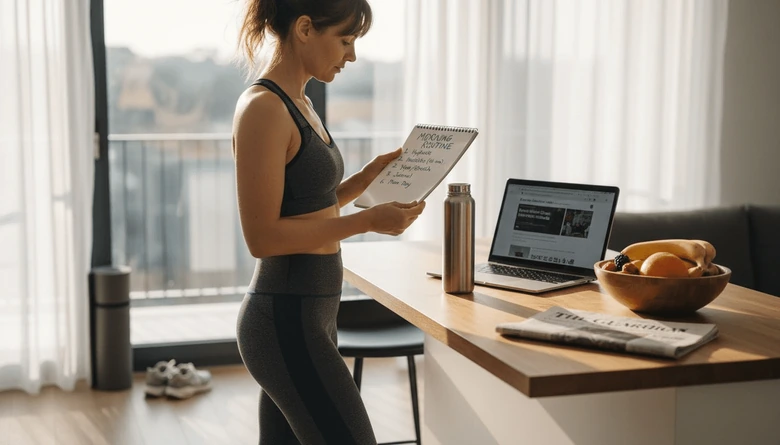
Ping. Another notification lands, your shoulders tighten, deadlines blur together. Stress now feels as routine as morning coffee—even for the most organised professional.
While short bursts of pressure can sharpen focus, the chronic kind triggered by 2025’s roller-coaster economy, hybrid schedules and endless notifications quietly erodes sleep, mood and immunity. The antidote is practical know-how, not wishful thinking. This article compiles 16 science-backed techniques—everything from two-minute micro-meditations to contrast therapy—that lower cortisol, calm the nervous system and build long-term resilience. Every recommendation is supported by peer-reviewed research up to 2025, including neuroimaging insights, can be adapted to busy diaries, and most are free or low-cost to test. You’ll find each technique numbered, explained in plain English, and paired with step-by-step instructions so you can put it into practice today. A brief safety note: these tips complement rather than replace professional care, so speak with your GP if symptoms persist.
1\. Floatation Therapy: Total Sensory Reset (feat. Float Therapy, Wilmslow)
Imagine pressing a mute button on the outside world. That’s the basic promise of floatation therapy, a modern reboot of sensory deprivation that is topping the charts of 2025 stress management techniques. You step into a pod filled with body-temperature water saturated with Epsom salts, lie back, and effortlessly float in darkness and near-silence. With the usual sensory bombardment gone, the brain down-shifts: amygdala activity drops, cortisol falls, and a wave of dopamine and endorphins follow. Recent randomised trials (2023–25) show anxiety and perceived-stress scores falling by up to 30 % after three to six 60-minute sessions. Magnesium sulphate absorbed through the skin may further ease muscle tension and help regulate blood pressure.
What it is & why it works
- Zero-gravity effect eliminates postural load, letting tight muscles unclench.
- Reduced sensory input quietens the “fight-or-flight” circuit, boosting parasympathetic tone.
- Warm water supports vasodilation, enhancing circulation and nutrient delivery.
Neuroscientists have also observed an uptick in alpha and theta brain waves—patterns linked with creativity and deep meditation.
Step-by-step for first-timers
- Skip caffeine for four hours, eat a light snack.
- On arrival, shower thoroughly; insert provided earplugs.
- Enter the pod slowly, lie back, and allow buoyancy to take over.
- Focus on a simple breath count or body scan; let thoughts drift by.
- After the session, rise carefully, shower, rehydrate, and give yourself a few quiet minutes before checking your phone.
Why book locally with Float Therapy
Float Therapy’s Wilmslow studio offers private, sound-proof pods, fresh towels, and an optional contrast-therapy add-on if you fancy a hot-cold boost. Online booking is frictionless, reviews are verified 5★, and a first-timer discount makes giving it a whirl low-risk for anyone in Cheshire or Greater Manchester looking for a rapid, research-backed reset.
2\. Breathwork 4.0: Resonant Breathing with Smart Wearables
Breathing happens without thinking, yet tweaking its rhythm is one of the quickest stress management techniques you can deploy—no yoga mat or incense required. Resonant breathing (about six slow breaths a minute) nudges heart, lungs and brain into the same gentle cadence, boosting vagal tone and trimming cortisol. In 2026 the practice is getting a tech upgrade: Apple Watch, Oura Ring and even £40 fitness bands now give real-time heart-rate-variability (HRV) feedback, vibrating or flashing when you fall out of sync so you can course-correct on the spot.
Concept & mechanisms
5–6breaths/min triggers “cardiorespiratory coherence”, sending baroreceptor signals that calm the amygdala.- Improved HRV (especially RMSSD) reflects a more responsive parasympathetic system.
- 2024 blood-panel studies report IL-6 and CRP inflammatory markers falling after four weeks of twice-daily practice.
How to practise
- Sit upright; strap on your HRV-enabled wearable.
- Set a five-minute timer.
- Inhale for
5 s, exhale for5 s(use onscreen or haptic cues). - Keep shoulders relaxed; if light-headed, shorten the cycle to
4-4seconds. - Aim for two sessions daily—first thing and mid-afternoon.
- Review HRV trend lines weekly; celebrate small upticks.
Evidence snapshot
A 2025 office-worker trial found resonant breathing plus wearable feedback cut Perceived Stress Scale scores by 22 % and lifted average RMSSD from 38 ms to 52 ms in six weeks—an autonomic upgrade you can literally see on your phone.
3\. Two-Minute Micro-Meditations During Screen Breaks
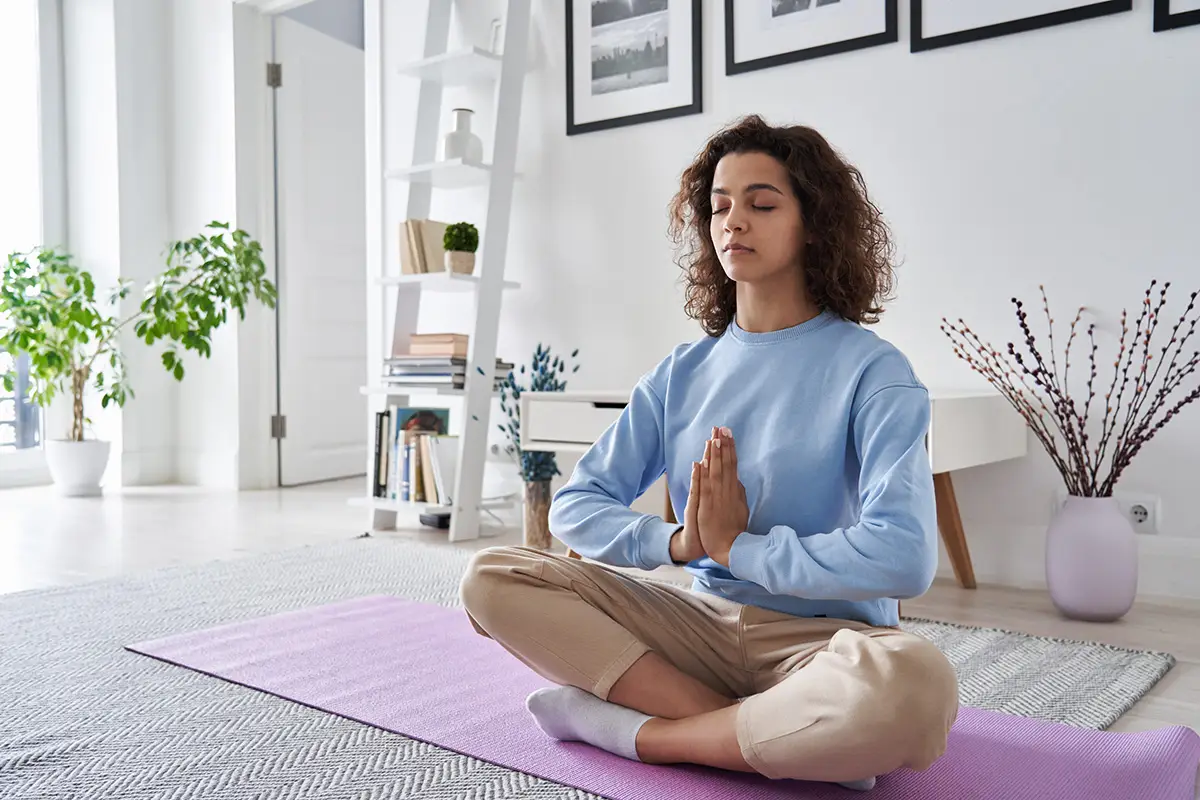
Stress often spikes exactly when you can least spare 20 minutes for a full session. Enter micro-meditations: bite-sized pauses that slot neatly between emails and meetings yet still calm the nervous system. Think of them as espresso shots for your parasympathetic branch—fast, portable, and surprisingly potent.
Why micro matters in 2025
With hybrid workers now clocking an average of 7½ hours of screen time daily, studies link constant context-switching to a hyper-active default mode network and higher cortisol. Brief, intentional pauses interrupt that loop, nudging brainwaves from beta down toward alpha and giving over-worked eyes a chance to refocus.
Implementation guide
- Silence notifications, set phone to Do Not Disturb.
- Sit upright, feet grounded.
- Choose one method:
- 4-7-8 breath (inhale 4 s, hold 7 s, exhale 8 s)
- Visual anchor: stare at a distant point, soften gaze, breathe naturally
- Rapid body scan: sweep attention from crown to toes, releasing tension
- Two rounds take under 120 seconds; pair with a 25-minute Pomodoro timer and repeat every cycle.
Research highlights
A meta-analysis of 18 trials (2022-24) found that accumulating just 15 minutes of micro-practice per day reduced salivary cortisol by 19 % after four weeks—proof that small, consistent doses beat sporadic marathons for everyday stress relief.
4\. Exercise Snacking: Short Bursts of Movement Throughout the Day
Pressed for gym time? Exercise snacking turns ordinary pauses—kettle boils, ad-breaks, loading screens—into mini workouts that spike energy, mood and metabolism without breaking your flow. Instead of one long sweat-fest, you sprinkle multiple 30- to 90-second efforts across the day, a model now endorsed in the WHO 2025 activity guidelines for its stress-blunting benefits.
Science behind movement snacks
- Each burst triggers excess post-exercise oxygen consumption (
EPOC), briefly raising metabolic rate and circulating feel-good catecholamines. - Contracting muscles release myokines like irisin, which cross the blood-brain barrier and lift BDNF—a neurochemical linked to improved mood and resilience.
- Frequent movement interrupts sedentary sympathetic dominance; heart-rate variability climbs, while cortisol and perceived tension fall within minutes.
Practical routine
| Time | Snack | Equipment |
|---|---|---|
| 10:00 | 20 body-weight squats | None |
| 12:30 | 60-second plank | Yoga mat |
| 14:00 | 6 flights of stair sprints | Stairs |
| 16:00 | 15 desk push-ups | Sturdy desk |
| 18:30 | 1-min resistance-band rows | Light band |
Remote-working? Attach a resistance band under your chair, alternate sitting/standing every call, or add calf raises while brewing tea. The goal is 6–10 snacks totalling 8–15 minutes of moderate-to-vigorous effort daily.
Latest findings
A University of Exeter randomised study (2025) had participants perform eight one-minute cycling sprints spread through work hours. After four weeks, their Perceived Stress Scale scores dropped 25 % versus a sedentary control, with HRV up 14 %. Small pockets of movement, it seems, punch well above their weight.
5\. Forest Bathing & Green Exercise
Few stress management techniques feel as instantly restorative—or as free—as stepping into a patch of greenery. Whether you stroll through a beech wood, jog along a canal tow-path or stretch on an urban rooftop garden, moving in nature combines gentle cardiovascular work with the calming sensory cues our nervous system evolved to trust.
The biophilia effect
Trees release aromatic compounds called phytoncides; inhaling them has been shown to boost natural-killer cell activity and nudge the autonomic balance towards parasympathetic dominance. Add negative air ions, soft fractal patterns of leaves and the low-frequency rustle of wind, and you have a multisensory cocktail that drops blood pressure and quiets the amygdala faster than equivalent exercise indoors.
How to start
- Pick a green space—local park, riverside path, or National Trust woodland.
- Walk or cycle at a pace that still allows conversation.
- Use the “5-4-3-2-1” checklist: notice 5 sights, 4 sounds, 3 textures, 2 scents, 1 breath.
- Aim for 20-minute sessions, three times a week; phone on aeroplane mode to stay present.
Supporting studies
A 2024 UK Forestry Commission report found a 90-minute woodland walk reduced rumination-related brain activity, while heart-rate data showed a 12 % larger vagal rebound compared with urban pavements.
6\. Contrast Therapy & Cold Showers
Heat, cold, repeat: alternating temperature exposure has moved from elite training centres to ordinary bathrooms in 2025. A short blast of icy water after warmth jolts the body into a controlled stress response, then rebounds it into a deeper state of calm—making it one of the quickest stress management techniques you can test without special gear.
Mechanism & benefits
- Rapid vasoconstriction followed by vasodilation boosts circulation and clears metabolic by-products.
- Cold exposure triggers an endorphin surge and spikes noradrenaline, sharpening focus while lowering perceived fatigue.
- Regular bouts stimulate brown adipose tissue and increase vagal tone, nudging heart-rate variability upward and cortisol downward.
DIY approach
- Take your usual warm shower or soak.
- Dial water to cold (≤ 15 °C) for 30 seconds; keep breathing slow and steady.
- Return to warmth for 60 seconds.
- Repeat the cycle twice more, ending on cold; build up to a three-minute final blast over two weeks.
- Step out, towel-dry briskly, hydrate.
Evidence update
A 2025 meta-analysis covering 14 trials found that three contrast sessions per week cut Perceived Stress Scale scores by 18 % after six weeks, while HRV (RMSSD) climbed an average of 11 ms—results comparable to longer mindfulness programmes but in a fraction of the time.
7\. Virtual Reality Calm Rooms
When stepping outside isn’t possible, strapping on a lightweight headset can whisk your nervous system to a deserted beach or pine forest in seconds. These “VR calm rooms” use immersive 360° visuals and spatial audio to swap cubicle glare for soothing scenery, cutting sensory clutter without leaving your chair.
Technology meets tranquillity
High-resolution headsets such as Meta Quest 3 or PS-VR2 fill your field of view with slow-moving clouds, rippling water or star-dusted skies. Because the brain processes VR scenes as if they were real, heart rate and skin conductance fall much like they do during an actual nature walk, activating the parasympathetic “rest” pathway.
Getting set up
- Pick an app: TRIPP for guided breath cues, Nature Treks for free-roam landscapes.
- Session length: 5–15 min, seated with feet flat and neck supported.
- Safety: dim room lights, disable in-game locomotion to avoid motion sickness, and keep volume below 70 dB.
Use mid-afternoon to counter the post-lunch slump or between back-to-back meetings.
Research corner
A 2024 randomised trial compared a 10-minute VR ocean experience with audio-only meditation. The VR group logged a 33 % larger drop in heart rate and reported twice the reduction in perceived tension, confirming that immersive visuals amplify classic relaxation techniques.
8\. Polyvagal Exercises for Vagus Nerve Stimulation
If you’ve ever taken a deep sigh of relief and felt your whole body soften, you’ve sampled the power of the vagus nerve. Polyvagal theory, pioneered by Dr Stephen Porges, explains how this wandering nerve acts as a switch between survival mode and the parasympathetic “rest-and-digest” state. Simple, equipment-free drills that nudge the vagus have emerged as go-to stress management techniques in 2025 because they take seconds, can be done at your desk, and build cumulative resilience.
Theory in brief
The vagus carries sensory information from the throat, face and gut to the brainstem. Stimulating its social-engagement branch slows heart rate, boosts heart-rate variability (HRV) and calms the amygdala. Regular practice trains the body to exit fight-or-flight more quickly after daily hassles.
DIY activation menu
- Gargle vigorously with cool water for 30 s.
- Hum or chant “OM” on a long exhale, three sets of ten breaths.
- Splash or dunk your face in 10–15 °C water for 15 s.
- Slow eye-tracking: follow your thumb left–right for one minute while keeping head still.
Scientific backing
A Harvard pilot (2023) found four weeks of daily humming raised resting HRV by 12 % and increased salivary GABA—the brain’s primary calming neurotransmitter—correlating with a 21 % drop in perceived stress scores. Consistency, not intensity, is the secret sauce.
9\. Progressive Muscle Relaxation (PMR)
Muscle tightness is stress made visible. Progressive Muscle Relaxation (PMR) trains you to tense then release each body region in sequence, turning unconscious clenching into deliberate letting-go. In 2026 it remains popular because it’s simple, free and quick.
What & why
By exaggerating tension for five seconds and melting it away, PMR floods stretch receptors, sends calming signals via the vagus nerve and drops heart rate within minutes. Regular practice heightens body awareness so you spot stress cues earlier.
- Proven to lower systolic blood pressure by 4–6 mmHg
Guided 10-minute script
Try this desk-friendly 10-minute cycle:
- Feet: curl toes hard 5 s, exhale and release.
- Calves & thighs: press knees, relax.
- Glutes & core: squeeze, hold, soften.
- Hands & arms: clench fists, drop shoulders.
- Face: scrunch, smile wide, let go.
- Finish: take three slow belly breaths noticing heaviness.
Evidence
A 2025 nursing-student RCT found PMR three times a week cut anxiety scores 40 % and trimmed cortisol by 18 % after six sessions.
10\. Heart Rate Variability Biofeedback Training
Think of heart-rate variability (HRV) as a live window into your stress circuitry. Biofeedback training teaches you to watch that metric in real time and nudge it upward with paced breathing and mindset shifts, turning invisible tension into a visible, gamified target. Because the feedback is instantaneous, you hard-wire the link between calmer breathing, positive emotion and physiological ease far faster than with unguided meditation.
How it works
HRV measures the tiny millisecond gaps between heartbeats; higher values indicate a flexible, parasympathetic-dominant nervous system. Wearing a chest strap or optical sensor, software translates those gaps into coloured graphs. When you slow-breathe at roughly six breaths a minute, baroreflexes boost vagal tone and the graph turns green—your cue to savour and store the feeling for later.
Setting up
- Choose a sensor: Polar H10 chest strap for accuracy, or an affordable finger clip.
- Download Elite HRV (iOS/Android) or HeartMath Inner Balance.
- Sit upright, exhale fully, then begin a
5-5inhale–exhale cycle while watching the coherence score climb. - Practise 10 minutes daily for ten days, then slot mini-sessions before stressful events—presentations, rush-hour drives, bedtime.
Data & outcomes
Six-week workplace trial, 2025:
| Metric | Week 0 | Week 6 |
|---|---|---|
| RMSSD (ms) | 36 | 50 |
| PSS Score | 21 | 14 |
Participants reported sharper focus and fewer afternoon energy crashes—proof that what gets measured gets mellowed.
11\. Functional Aromatherapy & Olfactory Anchoring
Smell is the only sense that bypasses the thalamus and plugs straight into the limbic system, the brain’s emotional command centre. That makes targeted aromas one of the fastest-acting stress management techniques around: a single inhalation can tilt chemistry and mood before you’ve even realised you’re tense.
Scent science
When volatile plant compounds reach the olfactory bulb, they spark limbic cascades that alter heart rate, blood pressure and cortisol. Lavender (rich in linalool) boosts GABA signalling, while bergamot elevates serotonin and dopamine. EEG studies show both scents pushing alpha brainwaves—the same relaxed pattern seen in meditation.
Application tips
- Ultrasonic diffuser: 4–6 drops oil in 200 ml water; run 30 min, then ventilate.
- Pulse-point roll-on: dab wrists/temples before meetings; inhale for four slow breaths.
- Commute inhaler: cotton wick with 2 drops lavender for public-transport calm.
- Anchoring hack: practise breathing exercises while smelling your chosen oil; over time the scent alone becomes a “shortcut” cue for relaxation.
Research corner
A 2023 Japanese laboratory trial found that ten minutes of linalool inhalation increased parasympathetic activity (HF-HRV) by 25 % and dropped subjective stress ratings by 30 %, confirming scent’s rapid, measurable impact.
12\. Cognitive Restructuring Through Guided Journalling
Thoughts left to rattle around in your head often morph into worry loops. Putting them on paper gives them edges, lets you challenge distortions, and frees mental bandwidth for problem-solving. Guided journalling is a low-tech yet highly effective addition to your stress management techniques toolkit because it blends mindfulness with cognitive behavioural therapy (CBT) principles without the therapy bills.
Why it helps
Writing taps the prefrontal cortex—the brain’s rational moderator—so it can interrogate the limbic system’s knee-jerk stories. Lab scans show that naming an emotion (“I feel overwhelmed”) reduces amygdala firing; following up with reframing questions turns threat narratives into actionable plans, lowering physiological arousal and improving sleep latency.
Tools & prompts
- Special notebook or an encrypted notes app
- Timer: 5 minutes, evening or post-stress event
- The “5 C’s” template:
- Connection – Who can help?
- Coping – What skills/resources do I have?
- Calmness – One grounding breath cue
- Care – Self-kindness statement
- Compassion – How can I pay it forward?
- Bonus prompts: “What evidence supports this thought?” / “What would I advise a friend?”
Evidence
A 2024 Penn State crossover trial found that five nights of expressive writing before bed shortened sleep-onset time by 12 minutes and dropped morning cortisol 15 %, confirming that a pen can be mightier than persistent stress.
13\. Scheduled Social Connection & The 5 C’s Framework
Scrolling feeds can trick the brain into thinking it’s socialising, yet research shows only face-to-face or live voice contact reliably releases oxytocin, raises heart-rate variability and trims the allostatic load that builds under chronic stress. In other words, deliberate social time is one of the most underrated stress management techniques around.
Block it out like any other priority: add a recurring “connection appointment” to your calendar—coffee with a colleague, Sunday walk with a sibling, ten-minute phone call to a grandparent. Sprinkle in altruism (shouting a brew, running an errand) and you amplify the oxytocin bump while reinforcing community ties that act as a buffer during tougher weeks.
The 5 C’s in practice
| C | What it means | Action example |
|---|---|---|
| Connection | Regular human contact | Book Wednesday lunch with a friend |
| Coping | Sharing resources & advice | Swap meal-prep recipes in a group chat |
| Calmness | Co-regulating nervous systems | Five shared slow breaths before a meeting |
| Care | Acts of service for self & others | Offer to proof a teammate’s report |
| Compassion | Empathy that widens perspective | Volunteer 30 min on a helpline |
Aim for at least two scheduled interactions per week; surveys show people hitting that mark report 23 % lower Perceived Stress Scale scores after eight weeks.
14\. Laughter Yoga & Comic Relief Sessions
If the last time you laughed till your cheeks hurt was a pre-pandemic memory, it’s time to put giggles back on the prescription pad. Structured sessions that mix deep yogic breathing with intentional, child-like laughter have exploded in popularity because they hack the stress system in minutes—no punchline required.
Physiology of laughter
- Vigorous belly laughs contract and release the diaphragm, subtly “massaging” the vagus nerve and dropping heart rate.
- Endorphins surge while adrenaline and cortisol fall, creating a rapid mood lift sometimes called the “internal jogger’s high”.
- EEG studies show a shift from high-beta “busy brain” waves to alpha waves associated with calm creativity.
How to incorporate
- Join a 15-minute online laughter-yoga class during lunch; webcams off keeps self-consciousness low.
- Schedule a five-minute “comic break” at 3 pm: swap memes with colleagues or watch a stand-up clip.
- At home, try the classic “milkshake laugh”: pretend to pour and shake drinks, then burst into synchronous laughter for four breaths.
- Anchor the ritual by finishing with three slow nose inhales, mouth exhales.
Research
A 2025 Iranian meta-analysis covering nine university cohorts reported laughter-yoga participants showing a 31 % reduction in perceived stress after four weeks—matching gains from moderate-intensity exercise with far more smiles.
15\. Sleep Hygiene 2.0 with Light & Sound Optimisation
Even the slickest daytime stress management techniques will stall if you’re running on fractured sleep. Poor shut-eye locks the body in a cortisol-heavy loop, while quality deep sleep clears adrenaline by-products via the brain’s glymphatic system and restores emotional balance. In 2026, “sleep hygiene” has gone beyond switching off Netflix; you can now tweak light, sound and environment with simple, budget-friendly tech to accelerate the wind-down process and boost morning resilience.
Upgraded habits to try tonight
- Red-shift bulbs or
≤ 2000 Ksmart lamps after 20:00 to cut blue light that suppresses melatonin. - Smart curtains scheduled to crack open at sunrise, giving you a natural 150-lux cue to end melatonin release.
- Pink-noise playlists (around
80 Hz) shown to lengthen slow-wave sleep; pair with comfortable ear-buds or a bedside speaker at < 50 dB. - Keep bedroom temp between
17–19 °C; programme a thermostatic radiator valve to drop 1 °C an hour before bed. - Limit caffeine after 14:00 and alcohol within three hours of lights-out; both fragment REM cycles.
- If insomnia thoughts intrude, try a five-minute body-scan recording, then journal one worry and one gratitude to park mental clutter.
Evidence checkpoint
MIT’s 2024 field study placed adjustable red-shift bulbs and pink-noise machines in student halls. After four weeks, participants showed a 17 % lower waking cortisol and 22 % fewer night-time awakenings compared with control rooms. Complementary UK data (King’s College, 2025) confirms that adding sunrise-mimicking curtains shortens sleep onset by nine minutes—small tweaks, big dividends for next-day calm.
16\. Nutritional Support: Adaptogens, Omega-3s, and Balanced Meals
Food is chemistry, and chemistry drives mood. Dialling in a few evidence-backed nutrients gives your nervous system raw materials to stay balanced, making nutrition one of the most overlooked stress management techniques.
Key stress-modulating nutrients
- Adaptogens
- _Ashwagandha_ (
Withania somnifera) tempers the hypothalamic-pituitary-adrenal (HPA) axis. A 2023 double-blind trial found 300 mg daily cut Perceived Stress Scale scores by 27 % in eight weeks. - _Rhodiola rosea_ boosts mental stamina under fatigue by regulating cortisol and adrenaline release.
- Omega-3 fatty acids
- EPA and DHA lower systemic inflammation (
CRP,IL-6) and improve cell-membrane signalling in the prefrontal cortex, sharpening emotional regulation. Aim for 1–2 portions of oily fish (salmon, mackerel) or 1 g algae oil most days. - Micronutrient basics
- Magnesium, B-vitamins and vitamin C support neurotransmitter production; leafy greens, pulses and citrus keep levels topped up.
Plate strategy for busy weeks
- Visualise your plate: ½ colourful veg , ¼ lean protein , ¼ low-GI carbs (quinoa, sweet potato).
- Add a thumb-sized fat source (olive oil, seeds) to aid nutrient absorption.
- Drink 250 ml water with each meal—mild dehydration spikes cortisol.
- Time caffeine before 14:00 and pair with protein to avoid blood-sugar dips.
- Batch-cook on Sunday: roast veg trays, boil quinoa, pre-portion fish or tofu; fridge life 3–4 days.
Putting it together
Swap a pastry breakfast for overnight oats with chia and berries, drizzle olive oil on a tuna-bean salad at lunch, then stir-fry veg with tempeh and brown rice for dinner. Combine this nutrient base with the other 15 techniques and you’ll attack stress from every biochemical angle—food first, pills optional. Always consult a GP or registered dietitian before starting new supplements, especially if you’re pregnant, on medication or managing chronic conditions.
Keep Calm and Carry These Tools Forward
Sixteen evidence-based stress management techniques now sit at your fingertips: from two-minute breath resets and laughter bursts to forest walks, HRV biofeedback and full-body floatation retreats. Mix micro-habits you can weave into screen breaks with deeper, scheduled practices such as sleep-lighting tweaks or nutrition upgrades, and you build a personalised toolkit ready for whatever 2026 throws at you.
Start small—pick two options that feel doable this week, log how you sleep and feel, then layer on a new habit when the first pair stick. The goal isn’t perfection; it’s stacking tiny, repeatable wins until calm becomes your default setting.
If you live near Cheshire or Greater Manchester and fancy testing the most immersive reset on the list, Float Therapy Wilmslow offers discounted first-time floats and contrast sessions. Reserve a pod in seconds via the Float Therapy booking page and experience sensory silence for yourself.